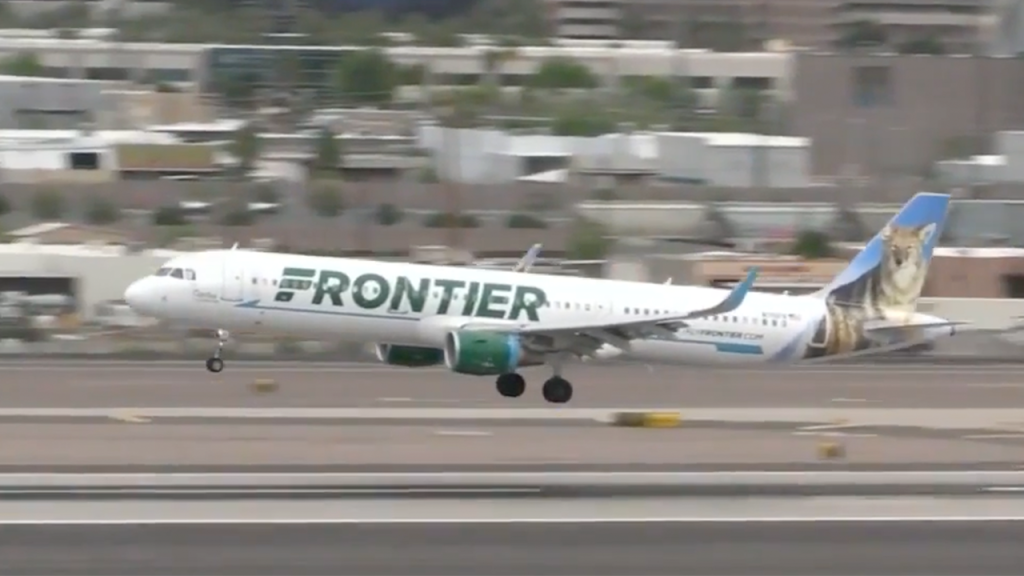

Frontier Airlines Flight Moved to Isolated Runway After Atlanta Bomb Threat
Introduction
In the fast-paced world of air travel, safety always takes precedence. Recently, a Frontier Airlines flight encountered an alarming situation at Atlanta’s Hartsfield-Jackson International Airport when a bomb threat forced authorities to act quickly. This incident not only highlights the importance of airport security but also raises questions about passenger safety and the protocols in place during emergencies. In this article, we will delve into the details of the situation, the steps taken by authorities, and the implications for air travel security in general.
The Incident: What Happened?
On a seemingly regular day, a Frontier Airlines flight, which was set to depart from Atlanta, received a bomb threat just before takeoff. The nature of the threat prompted swift action by airport and law enforcement authorities. The decision was made to move the aircraft to an isolated runway, ensuring the safety of passengers, crew, and airport personnel.
Passengers were understandably anxious as the situation unfolded. Crews were trained for emergencies, but dealing with a bomb threat adds an extra layer of complexity. Authorities quickly assessed the situation and established a secure perimeter around the aircraft.
Immediate Response by Authorities
Upon receiving the bomb threat, Hartsfield-Jackson International Airport activated its emergency protocols, involving federal, state, and local law enforcement agencies. The airport is well-equipped to handle potential threats, and the quick coordination of various agencies ensured that the incident was managed effectively.
-
Evacuation Procedures: In cases of potential bomb threats, the first step is usually to ensure the safety of individuals nearby. Passengers on the flight were evacuated safely and directed to a designated area where they could be monitored.
-
Isolation of Aircraft: Moving the aircraft to an isolated runway is standard protocol during bomb threats. This action minimizes the risk to other planes and personnel at the airport.
-
Assessment and Investigation: Bomb disposal units and K-9 units were called to the scene for a thorough investigation. These specialized teams conducted a detailed assessment of the aircraft to determine whether the threat was credible.
Passenger Experience: Anxiety and Reassurance
Being on a flight that has received a bomb threat can be terrifying. Passengers on the Frontier Airlines flight experienced a range of emotions—from fear and anxiety to confusion. However, the professional conduct of the airline staff made a significant difference in calming the situation.
- Communication: Keeping passengers informed is crucial during emergencies. Airline personnel maintained open lines of communication, updating passengers regularly about what was happening.
- Support Services: After the threat was assessed and determined to be unfounded, passengers were offered assistance, including counseling services for those who found the experience distressing.
Security Measures and Implications
The bomb threat incident has raised important questions about airport security measures. Given the complex and evolving nature of threats in aviation, continual improvements are needed.
Strengthening Security Protocols
Enhancing Detection Technologies: Airports, including Hartsfield-Jackson, have adopted advanced technologies to detect threats. This includes baggage scanners, body scanners, and behavioral detection methods. There is a constant push for integrating AI and machine learning to predict potential threats more effectively.
Training and Drills: Regular training and simulations for airline staff and airport personnel are essential. These exercises prepare everyone involved for real-life scenarios, ensuring rapid and efficient responses.
Passenger Awareness and Responsibility
While airports play a significant role in ensuring safety, passengers also have responsibilities. Awareness of one’s surroundings and adherence to safety protocols can help mitigate risks. Passengers are encouraged to report any suspicious behaviors or items to airline personnel or security officials.
Conclusion: Reaffirming Commitment to Safety
The bomb threat incident involving the Frontier Airlines flight at Atlanta’s Hartsfield-Jackson Airport serves as a reminder of the ongoing challenges faced in aviation security. Although the threat was resolved without any harm, it emphasizes the importance of vigilance, preparedness, and communication in the face of potential terrorism.
As air travel continues to grow, it is crucial for authorities, airlines, and passengers alike to work together to create a secure flying environment. Frontier Airlines, like other carriers, remains committed to safety, and this incident further underscores the need for stringent protocols and the readiness to respond to any threats that may arise.
By continuously improving security measures and maintaining open channels of communication, airlines and airports can work together to ensure that safety remains the highest priority in the ever-evolving landscape of air travel.
Final Thoughts
As travelers, understanding the complexities involved in airport security can help ease anxiety. Learning from incidents such as this bomb threat provides valuable insights into how safety is prioritized in aviation. The efficient manner in which authorities handled the incident serves as a reminder that while risks exist, numerous professionals are dedicated to keeping the skies safe.
Call to Action: Stay Informed and Engaged
We encourage all readers to stay informed about airport security measures and contribute to a safer travel environment by remaining vigilant during their journeys. Let us prioritize safety, ensuring that air travel is a positive experience for everyone involved.
If you have experienced or witnessed any security concerns during your travels, consider sharing your story. Your insights can contribute to important dialogues about travel safety and help others feel empowered while navigating the world of air travel.