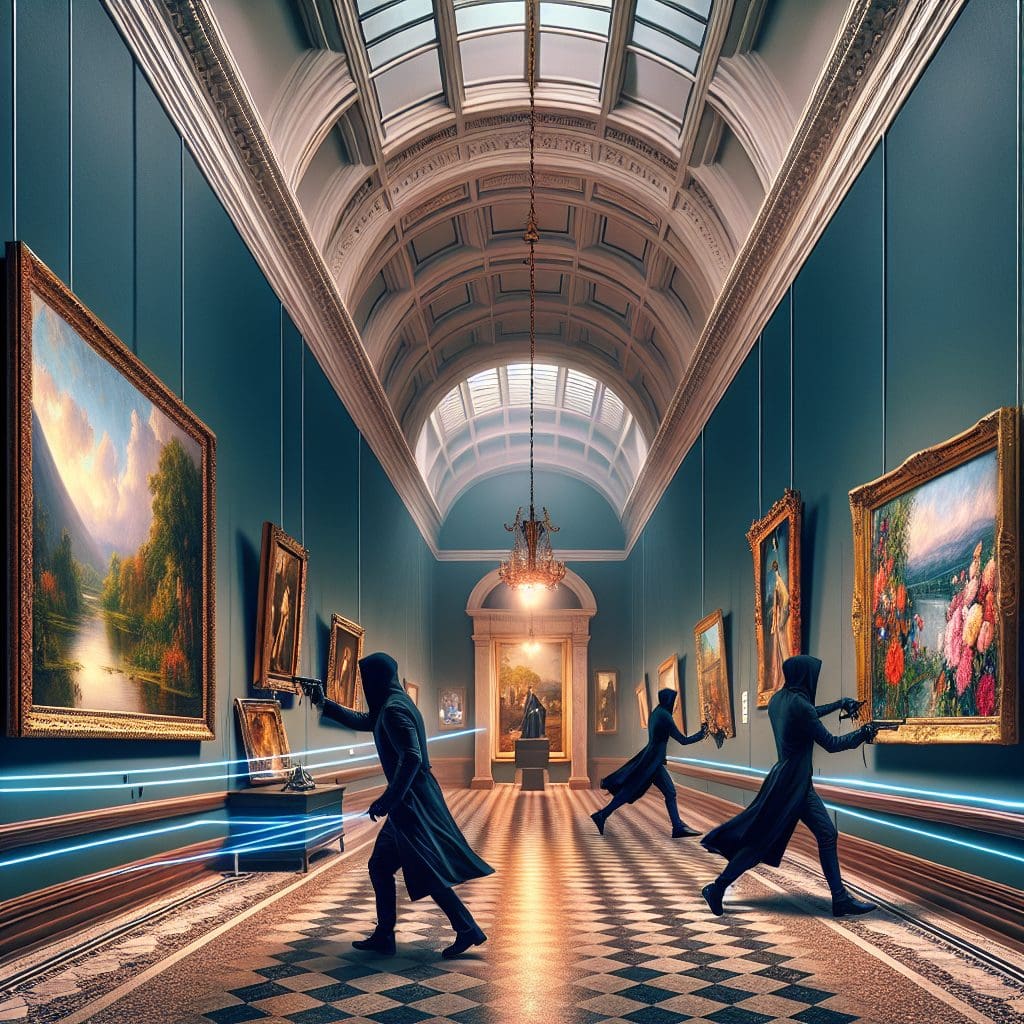

In a daring and meticulously orchestrated heist, a group of robbers made headlines after swiping priceless artworks by renowned masters Pierre-Auguste Renoir, Paul Cézanne, and Henri Matisse from a prominent Italian museum. The audacious act took place in broad daylight, showcasing both the skill and the calculated precision of the thieves, who managed to execute the heist in just three minutes—an operation both astonishing and alarming.
The targeted museum, known for its impressive collection of Impressionist and Post-Impressionist works, became the scene of chaos and confusion as alarms rang and security personnel scrambled. Witnesses described a scene filled with tension as the robbers, masked and seemingly coordinated, bypassed immediate security measures to seize the artworks. Each piece of art was not merely a creation but a cultural treasure, valued not just in monetary terms but also in historical and emotional significance.
The stolen artworks included a stunning Renoir, celebrated for its vibrant colors and masterful brushwork, a Cézanne that represents a pivotal moment in the evolution of modern art, and a captivating Matisse painting, known for its boldness and innovative use of color. Each piece holds a place of honor in art history, and their theft marks a significant loss not only for the museum but for the global art community.
Authorities have launched an extensive investigation, as the robbery raised questions about security protocols at cultural institutions, particularly those housing high-value collections. Experts in art crime suggest that the quick execution of the theft points to extensive planning and possibly insider information, underscoring the vulnerabilities present in even the most secure locations. The museum had previously undertaken measures to protect its valuable pieces, yet the incident reveals potential gaps in these strategies.
Furthermore, this incident has sparked discussions on the black market for stolen art, with stolen works often ending up in private collections or disappearing entirely. Investigators are following leads, but the unique nature of art theft complicates the recovery process, as stolen artwork can be difficult to trace given its high value and clandestine market.
As the art world reels from this shock, it serves as a stark reminder of the fragility of cultural heritage. The hope remains that these masterpieces will be recovered, not only to restore the museum’s collection but also to reaffirm the collective commitment to preserving art for future generations. The heist is not merely a theft; it’s an unsettling moment in the ongoing battle to protect the world’s artistic legacies.
For more details and the full reference, visit the source link below: