
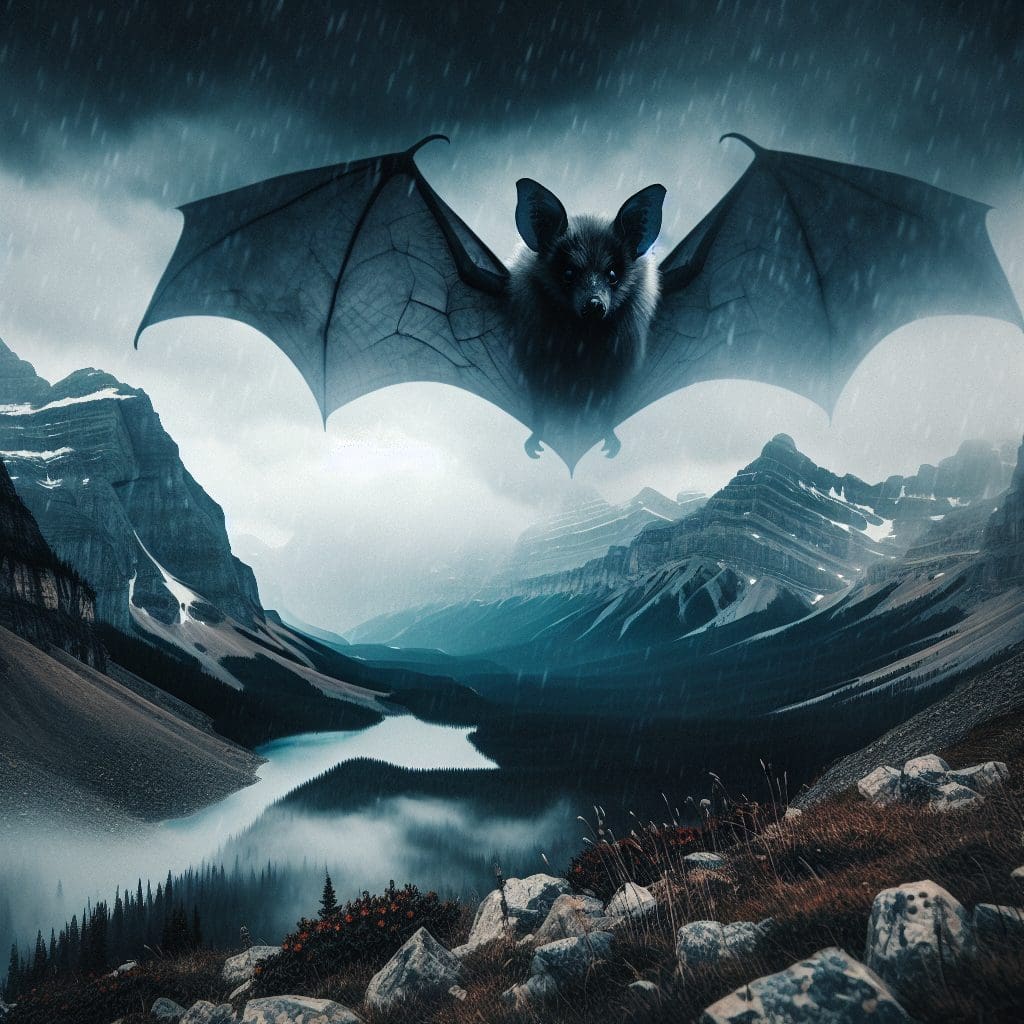

In a concerning development for wildlife conservationists and ecologists, a deadly bat illness known as White-nose Syndrome (WNS) has been detected in Alberta’s Rocky Mountains for the first time. This fungal disease, caused by the pathogen Pseudogymnoascus destructans, has had devastating effects on bat populations across North America, particularly in Eastern regions. The recent discovery in Alberta raises alarms about the potential impacts on local ecosystems, highlighting the urgent need for monitoring and intervention.
White-nose Syndrome manifests primarily during hibernation, a critical period for bats when their metabolic rates drop, and their immune systems are vulnerable. The fungus thrives in cold, humid environments, leading to the characteristic white mold that appears on the noses, ears, and wings of infected bats. The disease disrupts hibernation behavior, causing bats to awaken prematurely, deplete their fat reserves, and ultimately leading to starvation and significant mortality rates. In some regions, such as New York and Pennsylvania, WNS has decimated bat populations by over 90%, leaving researchers worried about the consequences for biodiversity and insect population control.
The detection of WNS in Alberta is particularly alarming because the Rocky Mountains serve as a vital habitat for several bat species, including the Little Brown Bat and the Northern Long-eared Bat, both of which are already facing threats from habitat loss and climate change. Bats play an essential role in their ecosystems; they are primary pollinators and help control pest populations by consuming vast quantities of insects, including agricultural pests. The loss of bat populations could lead to an imbalance in these ecosystems, producing wider repercussions for both wildlife and human agricultural systems.
Conservationists and researchers are mobilizing to assess the impact of WNS on affected bat populations in Alberta. Ongoing monitoring efforts, including surveillance of bat colonies and public education initiatives, are crucial in combating the spread of the pathogen. There is also a growing call for collaboration among government agencies, researchers, and the public to implement effective conservation strategies.
Protective measures may include habitat preservation, rehabilitation of affected areas, and further research into the ecology of bats and the dynamics of the disease. As Alberta grapples with this emerging threat, it must act decisively to mitigate the impact of White-nose Syndrome. The survival of Alberta’s bats hinges on a proactive response, ensuring that these vital creatures continue to thrive in their mountainous habitats. Despite the challenges ahead, there is hope that with combined efforts, the situation can be managed, preserving both the bats and the ecosystems they support.
For more details and the full reference, visit the source link below:


