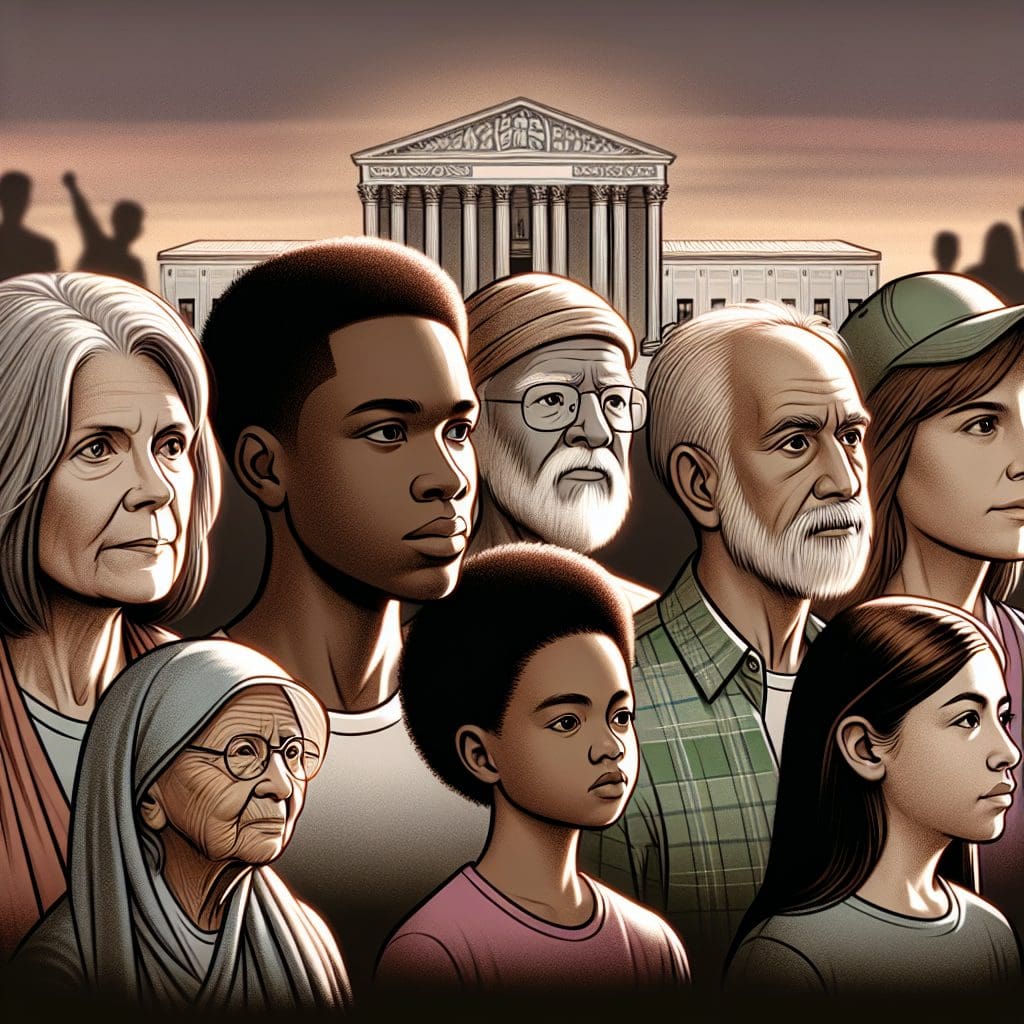

Survivors of conversion therapy are grappling with heightened anxiety following the recent decision by the U.S. Supreme Court to nullify a ban on such practices. This ruling has raised significant concerns among advocates for LGBTQ+ rights, as well as those who have endured these traumatic experiences, signaling a potential resurgence of harmful practices that aim to change sexual orientation or gender identity.
Conversion therapy, often rooted in outdated and discredited psychological theories, has been linked to severe psychological harm, including depression, anxiety, and suicidal ideation among survivors. Many who have undergone this traumatic experience report long-lasting emotional scars, making the Supreme Court’s decision particularly distressing. As states work to establish protective measures, the ruling undermines significant progress made in the past decade to safeguard LGBTQ+ individuals from coercive and damaging therapies.
For many survivors, the thought of conversion therapy returning to mainstream practice is a harrowing notion. These individuals often recount feelings of isolation, shame, and rejection during their experiences. The Supreme Court’s ruling may embolden practitioners who believe they can operate without accountability, leaving survivors feeling vulnerable and exposed. The ruling sends a troubling message that these harmful methods could be regarded as legitimate, potentially attracting those seeking to exploit and manipulate vulnerable populations under the guise of therapy.
Moreover, the decision has sparked fears about an increase in legal challenges to state bans on conversion therapy, creating a patchwork of regulatory standards across the country. This inconsistency can lead to confusion and unregulated practices, further endangering LGBTQ+ individuals, especially minors, who, by law, cannot consent to such treatment. Survivors worry that they may be forced into a situation where their identities are devalued or invalidated by societal and institutional support for conversion therapy.
Mental health professionals and advocacy organizations are now mobilizing to raise awareness about the harms of conversion therapy, reiterating the importance of promoting acceptance and affirmative care for LGBTQ+ individuals instead. Survivors, united by their shared experiences, are voicing their concerns, insisting that the legacy of conversion therapy should serve as a stark reminder of the need for ongoing advocacy and legal protections.
While the Supreme Court’s ruling represents a significant setback, it has also galvanized a renewed commitment to fighting for the rights and dignity of LGBTQ+ individuals. Survivors of conversion therapy are becoming more vocal, sharing their stories to empower others and push for legislative reforms that reaffirm the rights and humanity of all individuals, regardless of their sexual orientation or gender identity. The resilience of these advocates may ultimately pave the way for a more inclusive society, where harmful practices like conversion therapy are relegated to the past.
For more details and the full reference, visit the source link below: