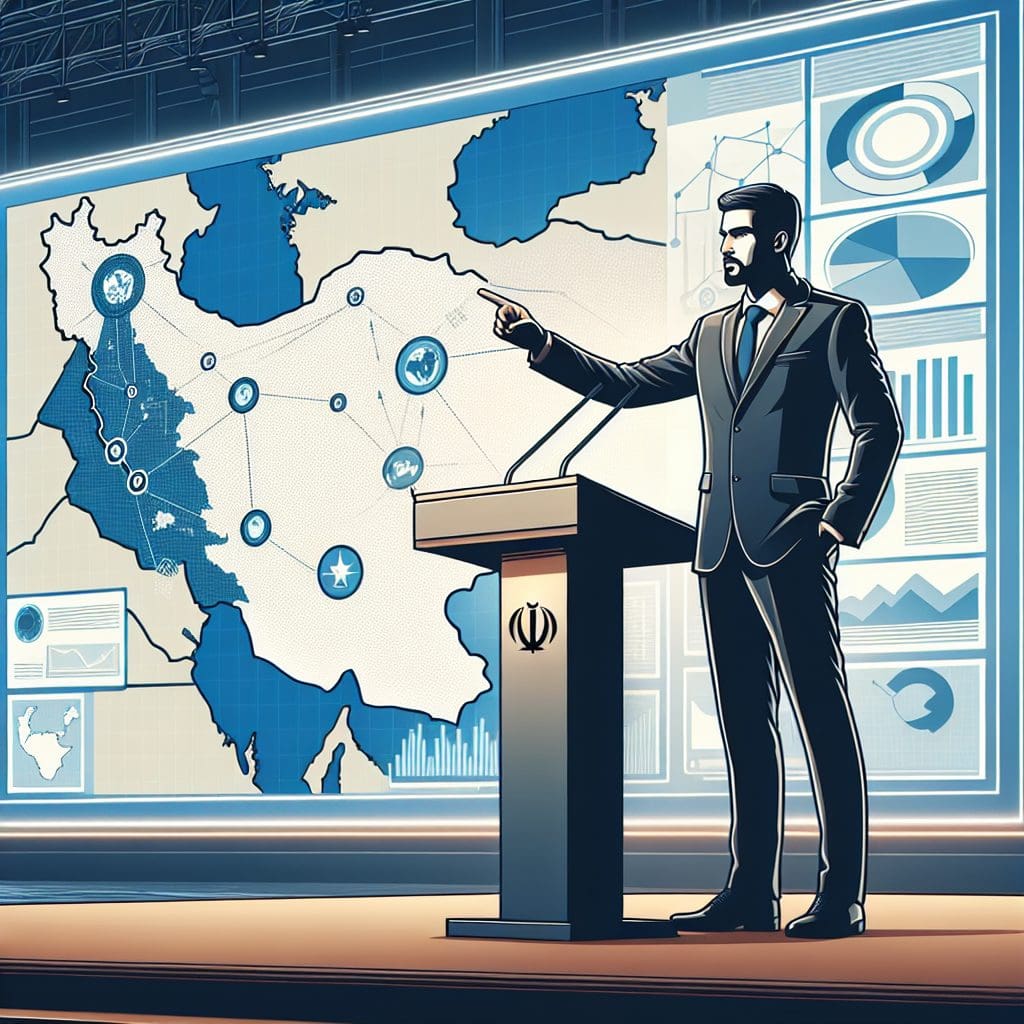

In recent statements, former President Donald Trump has claimed that fundamental strategic goals regarding Iran have been nearly achieved, positioning this assertion within the broader narrative of his administration’s foreign policy. These claims highlight Trump’s emphasis on a robust, confrontational approach to Iran, especially concerning its nuclear program and regional influence. However, his lack of a specified timeline raises questions about the sustainability and efficacy of these strategies.
During his presidency, Trump adopted a hardline stance against Iran, epitomized by the withdrawal from the Joint Comprehensive Plan of Action (JCPOA) in 2018. This pivotal decision aimed to halt Iran’s nuclear ambitions and curb its destabilizing activities across the Middle East. The “maximum pressure” campaign that followed involved rigorous sanctions targeting Iran’s economy, dramatically impacting its oil exports and overall economic stability. Trump’s assertion that goals related to Iran’s nuclear program and regional assertiveness are “nearly achieved” suggests a belief that these measures have effectively contained Iran’s influence, even if the specifics of these accomplishments remain vague.
Critics of Trump’s approach have pointed out the unintended consequences of these strategies. While the intention was to isolate Iran economically and diplomatically, the strategy also fostered increased animosity in the region. Iran, feeling cornered, has occasionally ramped up its nuclear activities and entrenchment in proxy warfare, notably in Iraq and Syria. The lack of a clear timeline for achieving strategic goals complicates the assessment of success. What does “nearly achieved” mean in practice? Without defined metrics or timelines, the administration’s claims become more rhetoric than actionable policy.
Moreover, Trump’s focus on Iran has broader implications for U.S. foreign relations, particularly with European allies who remain supportive of the JCPOA framework. Their divergent approaches create friction in transatlantic relations, making diplomatic negotiations more challenging. As regional dynamics evolve, the potential for conflict remains a concern, underscoring the importance of a coherent strategy moving forward.
In essence, Trump’s assertions regarding Iran’s strategic goals reflect deep-seated convictions about U.S. power and intervention, yet their lack of specificity and the potential ramifications of his policies invite skepticism. The complexities of Middle Eastern geopolitics necessitate a nuanced and multifaceted approach, one that transcends mere declarations and seeks to engage Iran in a way that promotes stability and curtails nuclear proliferation. As policymakers navigate these challenges, it will be crucial to define clear, achievable objectives, accompanied by timelines that foster accountability and a pathway toward lasting peace in the region.
For more details and the full reference, visit the source link below: