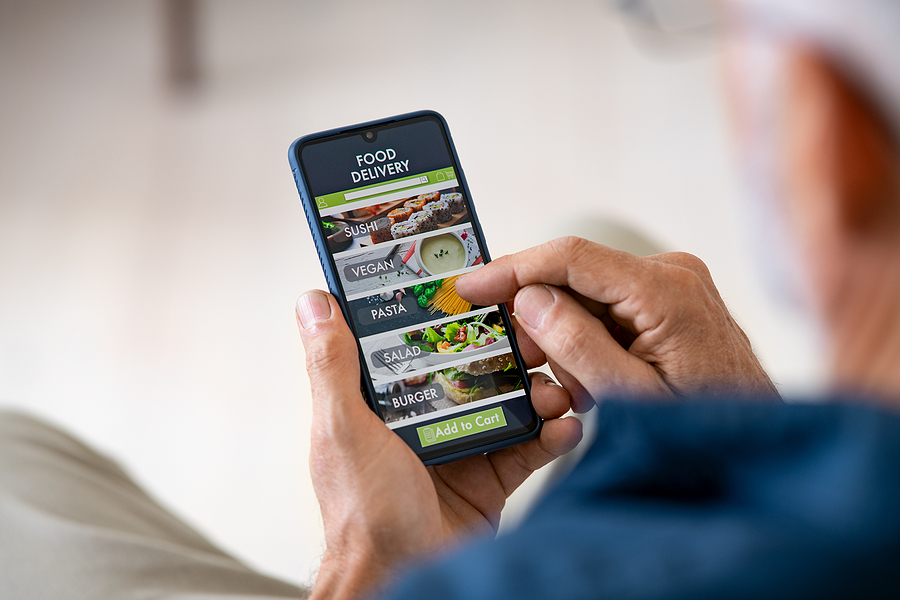

Sales tax in Missouri, like in many states, is a complex issue, especially when it comes to food delivery services such as DoorDash, Grubhub, and Uber Eats. These platforms have revolutionized the way consumers obtain meals, but questions remain about who ultimately bears the burden of sales tax.
In Missouri, sales tax is generally applied to the sale of tangible personal property, which includes food and beverages sold for immediate consumption. When you order a meal through a service like DoorDash or Grubhub, the food itself is subject to sales tax. However, the responsibility for collecting and remitting this tax typically falls upon the delivery service rather than the restaurant.
When a consumer places an order, the app calculates the applicable sales tax based on the delivery location. This tax is then incorporated into the total price paid by the consumer at checkout. The delivery service is responsible for collecting this tax and passing it along to the state. In essence, while consumers see the tax as part of their total meal cost, it’s the responsibility of the delivery platform to ensure compliance with tax regulations.
Yet, the situation becomes more nuanced given promotional offers often available on these platforms. For instance, if a customer uses a discount or promo code, the sales tax is calculated on the pre-discounted amount. This can sometimes lead to consumer confusion about the total cost of their meal after discounts and taxes are applied.
Restaurants also play a role in this system. While they are not responsible for collecting sales tax on orders made through third-party delivery services, they must ensure that their menus and prices account for potential taxes when setting their costs. This indirect responsibility creates a ripple effect that can impact pricing strategies for restaurants, particularly small local businesses trying to remain competitive against larger chains.
Moreover, there is an ongoing debate regarding whether or not food delivery services should be subject to additional fees or taxes, especially as the industry continues to expand. Some lawmakers argue that taxing these services more directly could provide essential revenue for local governments struggling with budget shortfalls exacerbated by the COVID-19 pandemic.
In conclusion, while the consumer is the one who pays the sales tax indirectly through their order, the obligation to collect and remit that tax lies with the delivery service. In Missouri, the dynamics of sales tax in relation to food delivery platforms present a unique set of challenges and considerations for businesses and consumers alike, underscoring the blend of convenience and complexity that modern dining has evolved into.
For more details and the full reference, visit the source link below: