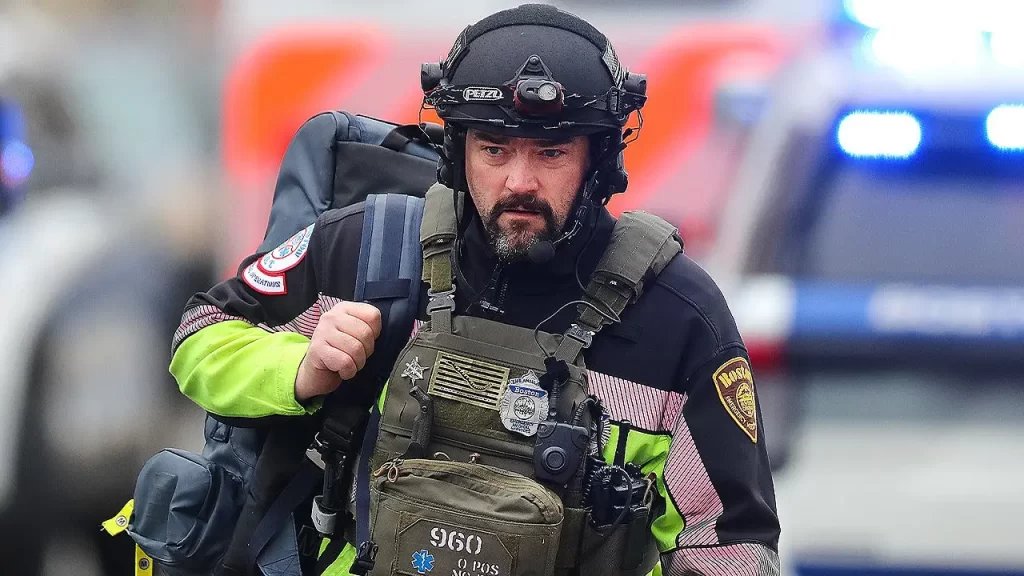

Boston Mental Health Crisis Model Scrutinized After Officer Stabbing
In recent months, the Boston mental health crisis response model has come under intense scrutiny following a disturbing incident involving the stabbing of an officer during a call involving a mental health crisis. This incident has raised questions not only about the effectiveness of the current model but also about the safety of law enforcement and the individuals experiencing mental health challenges. Below, we explore the key aspects of this crisis, the implications for Boston’s approach to mental health emergencies, and potential paths forward.
Understanding the Boston Mental Health Crisis Model
Overview of the Current Model
Boston has traditionally utilized a public safety approach to mental health crises, often involving police officers responding to emergencies. This method has been criticized for its potential to escalate situations rather than de-escalate them. The model relies on trained officers who assess the situation and determine the best course of action, often resulting in arrests or hospitalizations.
Limitations of Traditional Approaches
The reliance on police in mental health crises has several drawbacks. Critics argue that police officers, despite receiving some training, are not equipped to handle complex mental health issues. This can lead to misunderstandings, exacerbation of the crisis, and potential violence. The recent officer stabbing incident has reignited these issues and highlighted the urgent need for reform.
The Implications of the Officer Stabbing Incident
A Wake-Up Call for Re-evaluation
The officer who was stabbed while responding to a mental health crisis call served as a tragic wake-up call for Boston’s emergency response system. The incident underscored the inherent dangers of placing law enforcement at the forefront of mental health interventions. It prompted city officials and community leaders to evaluate the adequacy of their crisis response strategies.
Community Impact and Reactions
Community reactions to the incident have been mixed. While some citizens expressed concern for officer safety, many advocates for mental health reform pointed out that individuals experiencing crises often require more than just law enforcement intervention. This incident has ignited further discussions about how to effectively integrate mental health professionals into the response framework.
Evaluating Alternative Models
Crisis Intervention Teams (CIT)
One alternative model gaining traction is the implementation of Crisis Intervention Teams (CIT). These teams consist of police officers working with trained mental health professionals. The collaboration aims to provide immediate support and de-escalation tactics during crisis situations, reducing the likelihood of violence.
Mobile Crisis Units
Another promising approach is the establishment of mobile crisis units, where paramedics and mental health professionals respond to emergencies. These units can provide on-site support without involving law enforcement, significantly lowering the risk of escalating tensions. Cities like Denver have successfully employed such models and seen favorable outcomes.
Policy Changes and Initiatives
Citywide Mental Health Initiatives
In light of the recent incident, city officials in Boston have initiated discussions about revising mental health protocols. These initiatives may focus on enhancing training for both police officers and mental health professionals, ensuring better communication and cooperation during crisis situations.
Legislative Measures
City and state lawmakers are also re-examining existing mental health policies and considering new legislation. Possible measures include funding for alternative response teams, additional training programs, and resources for mental health facilities.
The Role of Community in Mental Health Response
Engagement and Education
Community engagement is pivotal in reshaping Boston’s approach to mental health crises. Public awareness campaigns can educate the community on mental health issues and encourage collaboration between families, mental health professionals, and law enforcement.
Developing Support Networks
Strengthening support networks within the community can alleviate some of the pressure on first responders during mental health crises. Organizations offering mental health resources, peer support, and education can significantly impact reducing the stigma associated with seeking help.
Lessons from Other Cities
Success Stories
Cities like Eugene, Oregon, and Albuquerque, New Mexico, have successfully implemented alternative crisis response models. Their experiences provide valuable insights for Boston as it looks to reform its mental health crisis response.
-
Eugene, Oregon: The “Crisis Assistance Helping Out on the Streets” (CAHOOTS) program has become a model for crisis response, relying on a team of medics and mental health professionals for assistance in emergencies.
-
Albuquerque, New Mexico: Albuquerque’s successful implementation of dedicated mental health units has shown reduced use of force and improved outcomes for individuals in crisis.
Potential Adaptations for Boston
Learning from these cities, Boston can adopt elements of these successful models to reshape its own mental health crisis response, prioritizing de-escalation and support rather than enforcement.
Conclusion: A Path Forward for Boston’s Mental Health Crisis Model
The recent officer stabbing has undeniably highlighted the flaws present in Boston’s mental health crisis response model. However, it also presents an opportunity for critical reassessment. By adopting innovative approaches like Crisis Intervention Teams and mobile crisis units—augmented by community engagement and supportive legislation—Boston can move towards a more effective and humane framework for addressing mental health crises.
The safety of both law enforcement and community members experiencing mental health challenges must be prioritized. Only by taking proactive steps can we hope to improve outcomes for individuals in crisis and foster a safer community for everyone.
Call to Action
Boston residents, advocacy groups, and policymakers must collaborate to drive change. Encourage open discussions about mental health, advocate for reform in crisis response models, and support initiatives that prioritize partnership over punishment. Together, we can pave the way for a more compassionate approach to mental health emergencies.