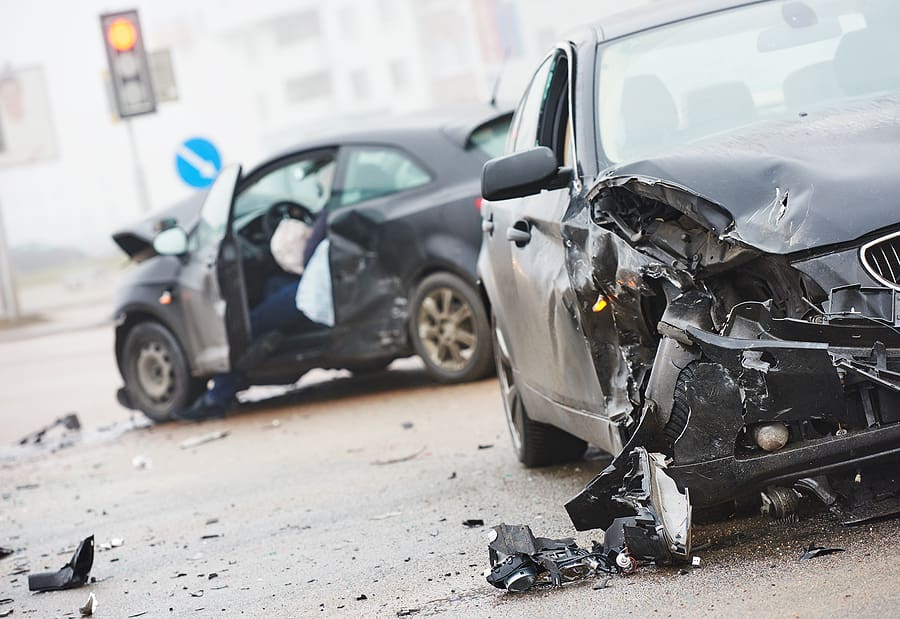

In recent years, Missouri has garnered attention for its alarming statistics regarding fatal front-end collisions involving passenger cars. With 1,622 recorded fatalities, the state ranks 10th nationally for these tragic incidents. This figure serves as a stark reminder of the potential dangers on the road and underscores the urgent need for enhanced road safety measures.
Front-end collisions often involve head-on impacts, which can be particularly devastating due to the sheer force exerted during such events. These types of accidents frequently result in severe injuries or fatalities, drawing attention from safety advocates and law enforcement alike. The reasons behind these incidents can be varied and complex, ranging from driver distraction, impaired driving, and speeding to adverse weather conditions that can impair visibility and vehicle control.
Missouri’s ranking as the 10th highest state for fatal front-end collisions raises several questions about driver behavior and state infrastructure. It calls for a comprehensive analysis of the regions within the state where these accidents occur most frequently. Rural roads, often devoid of adequate lighting and safety measures, are notorious for presenting unsuspecting dangers to drivers. Understanding the demographics of the drivers involved—such as age, driving experience, and factors like seatbelt usage—could help to frame more targeted campaigns for prevention.
Law enforcement and state agencies are likely to focus on educational initiatives aimed at promoting safe driving habits. Campaigns that highlight the importance of wearing seatbelts, avoiding distractions, and refraining from alcohol consumption can contribute significantly to reducing the risk of fatal collisions. Furthermore, Missouri may benefit from advocating for stricter enforcement of traffic regulations, coupled with penalties that discourage reckless driving behaviors.
In addition to educational efforts, infrastructure upgrades can play a crucial role in enhancing road safety. Implementing better signage, improved road lighting, and the addition of barriers or rumble strips may help prevent head-on collisions. Moreover, public awareness campaigns that engage communities, encouraging collective responsibility toward safe driving, can also make a difference.
As Missouri grapples with the unfortunate reality of high fatal front-end collisions, it serves as a wake-up call for drivers, legislators, and communities to work collaboratively on strategies that prioritize safety. By addressing both the behavioral and infrastructural factors contributing to these incidents, Missouri has the potential to decrease its fatality rates, ultimately saving lives and creating a safer environment for all road users. The path to improvement is not just the responsibility of government agencies; it requires a collective commitment from every individual who takes to the roads.
For more details and the full reference, visit the source link below: