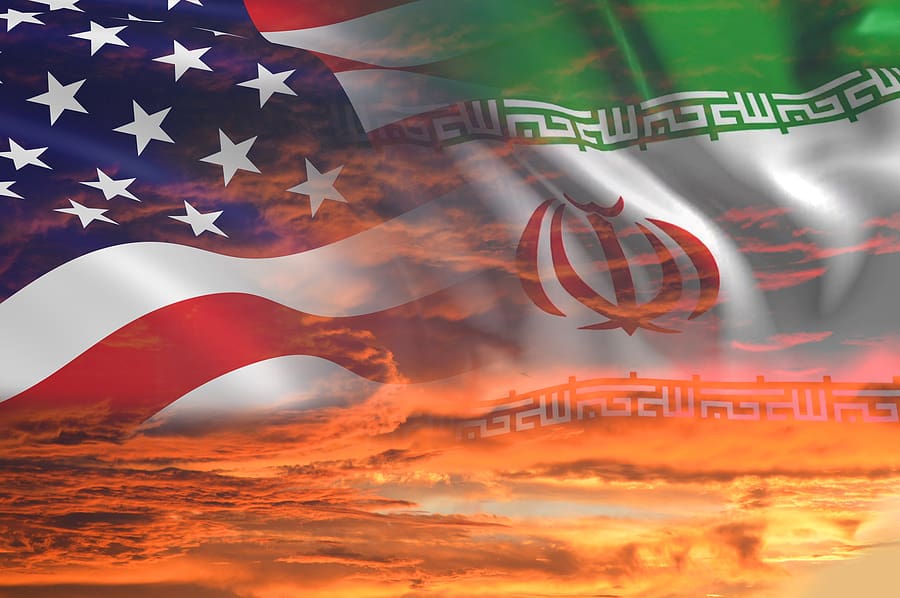

The ongoing conflict in Iran has reached a critical juncture, with recent developments indicating that a naval blockade is reshaping global risk dynamics. As tensions escalate in the region, the implications of a potential blockade extend far beyond Iranian borders, influencing global trade routes, energy supplies, and geopolitical alliances.
Historically, Iran has played a pivotal role in the flow of oil through the Strait of Hormuz, a narrow waterway that connects the Persian Gulf to the Arabian Sea. Approximately 20% of the world’s oil supply passes through this vital passage. Any disruption to this corridor can trigger significant fluctuations in global oil prices, leading to economic ripple effects worldwide. In recent weeks, the prospect of a naval blockade has prompted fears of supply shortages, further compounding an already volatile energy market.
The blockade unfolds against a backdrop of rising hostilities involving Iran, particularly with the United States and its regional allies. The U.S. has increasingly focused on counteracting Iran’s influence, particularly regarding its nuclear ambitions and support for militant groups in neighboring countries. The Iranian government, in turn, has responded with aggressive posturing, threatening to retaliate against perceived aggressions. This tit-for-tat escalation underscores the precariousness of the situation, as both sides risk miscalculations that could ultimately lead to wider conflict.
Furthermore, the alliance network in the region is also being tested. Countries that have historically aligned with the U.S. are weighing the potential costs of supporting a blockade against the benefits of maintaining trade relations with Iran. The delicate balance creates a scenario where nations must navigate their interests carefully to avoid being caught in a broader conflict.
International reactions to the blockade have varied, with some countries advocating for diplomatic resolutions while others appear to support stricter measures against Iran. This discord signals a shifting landscape in global diplomacy where traditional alliances may be strained. Nations reliant on Iranian oil face a dilemma; either support international sanctions, thereby risking economic backlash, or continue engagement with Iran while facing potential isolation from Western powers.
Ultimately, the naval blockade represents a significant turning point in the Iranian conflict. Its ramifications extend beyond military posturing, reshaping global supply chains and altering diplomatic relationships. As countries around the world grapple with the implications of this blockade, the future of not only Iran but also regional stability and global economics hangs in the balance. The unfolding events will be closely monitored, as decisions made today could resound for years to come, influencing peace, conflict, and commercial viability on an international scale.
For more details and the full reference, visit the source link below: