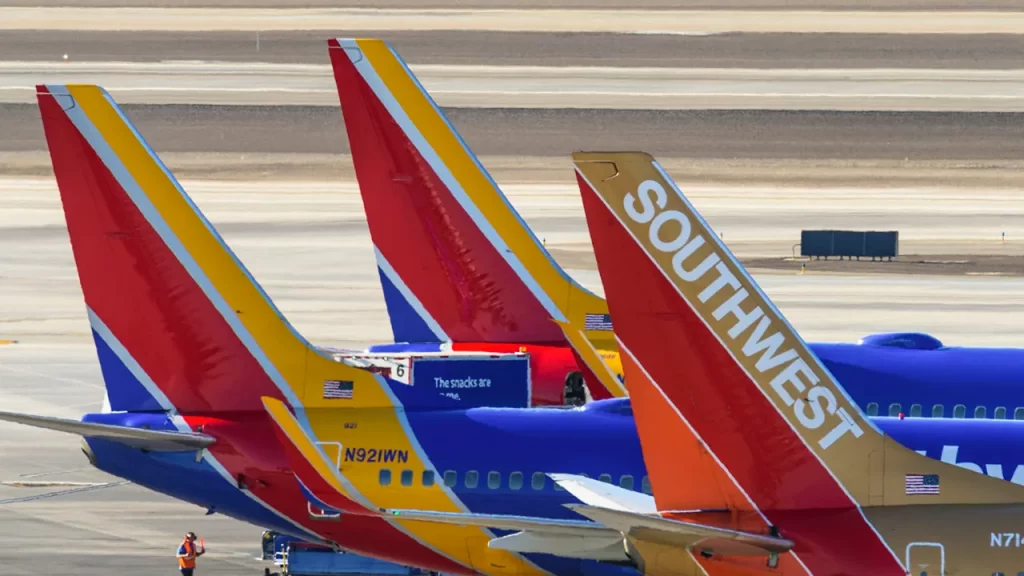

FAA Investigates Southwest Airlines Close Call at Nashville Airport
Introduction
In recent aviation news, a significant incident involving Southwest Airlines has raised alarm bells within the aviation community. The Federal Aviation Administration (FAA) is currently investigating a close call that occurred at Nashville International Airport. This incident has sparked conversations about aviation safety protocols and procedures, especially as air travel has seen a substantial uptick post-pandemic.
What Happened?
The incident transpired when a Southwest Airlines flight was preparing for takeoff while another plane was on the runway. Sources indicate that both aircraft were in close proximity, leading to an urgent need for intervention from ground control. Eyewitness reports described a tense atmosphere as the situation unfolded, highlighting the need for proper communication among flight crews and air traffic control (ATC).
Timeline of Events
- Initial Preparation: The Southwest Airlines flight had begun its standard pre-flight procedures at the gate.
- Clearing the Runway: As the aircraft taxied toward the runway, an inbound commercial flight was also preparing to land.
- The Close Call: Moments before takeoff, there was critical communication between ATC and the pilots. Fortunately, the quick actions of the air traffic controllers prevented a potential collision.
Eyewitness Accounts
Several passengers and crew members on board both aircraft reported their experiences during the incident. Many recounted feelings of anxiety and fear as the situation unfolded, emphasizing how the close call could have turned disastrous. Eyewitness accounts are vital in understanding the human aspect of aviation safety incidents, shedding light on how such events impact those involved.
FAA’s Response
In the aftermath of the close call, the FAA initiated an investigation to thoroughly review the circumstances surrounding the incident. This inquiry will include:
Gathering Evidence
The FAA will collect data from various sources, including:
- Black Box Data: Analyzing flight data and cockpit voice recorders.
- Air Traffic Control Communications: Reviewing recordings of conversations between ATC and the pilots.
- Eyewitness Reports: Taking into account statements from passengers and crew members.
Evaluating Procedures
Part of the scrutiny will include assessing the current protocols at Nashville International Airport to ensure compliance with aviation safety standards. The investigation aims to determine if negligence or procedural errors contributed to the close call.
Safety Implications for Southwest Airlines
Southwest Airlines, one of the nation’s leading carriers, will be under scrutiny as the FAA investigates this incident. This close call raises questions about the airline’s safety practices and their impact on operational efficiency.
Historical Context
Southwest Airlines has a relatively good safety record, making this incident particularly noteworthy. The airline has always prided itself on prioritizing safety, with a long history of adopting rigorous training programs for pilots and crew members. However, incidents like this act as critical reminders of the importance of continual assessment and improvement in safety protocols.
Training and Readiness
In response to this incident, Southwest Airlines may need to revisit their training programs. Ensuring that pilots and crew are well-prepared to handle emergency situations is crucial for maintaining safety and operational integrity.
Broader Implications for Aviation Safety
The close call at Nashville Airport has broader implications for the aviation industry as a whole. Such incidents often lead to reviews of safety protocols across various airlines and airports.
Increased Scrutiny on Air Traffic Control
Air traffic control plays an essential role in ensuring the safety of the airspace. This incident could prompt the FAA to examine ATC protocols and communications more closely, especially in busy airports like Nashville.
Regulatory Changes
In light of this investigation, there could be potential regulatory changes aimed at enhancing safety in the aviation sector. Increased training requirements, stricter procedural guidelines, and advanced technology for collision avoidance may be on the horizon.
How Passengers Can Stay Informed
Passengers who frequently travel with Southwest Airlines, or any airline for that matter, are understandably concerned about such incidents. They can take proactive steps to stay informed:
Follow Official Statements
Passengers should keep an eye on official statements from the FAA and Southwest Airlines regarding the investigation’s findings. This information will provide insight into the airline’s safety ratings and operational protocols.
Engage with Safety Ratings
There are numerous aviation safety websites and organizations that provide safety ratings for airlines. Passengers can refer to these resources to make informed decisions about their travel plans.
Consider Safety in Travel Choices
When selecting airlines, travelers should consider factors such as safety records, incident history, and customer reviews related to safety. Educational resources exist to help consumers assess the safest travel options.
Conclusion
The FAA’s investigation into the close call involving Southwest Airlines at Nashville International Airport serves as a critical reminder of the importance of aviation safety. As the aviation industry recovers from the impacts of the pandemic, commitment to safety must remain paramount. The findings from this investigation will not only influence regulatory changes and airline procedures but also restore passenger confidence in air travel. By understanding the events that led to this close call and following the ongoing investigation, we can all contribute to safety in the skies.