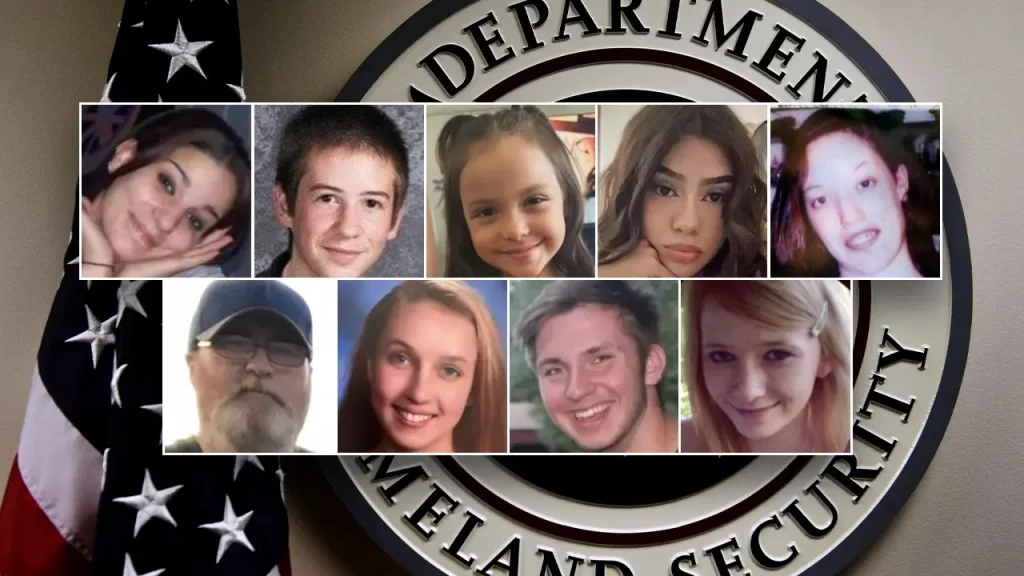

DHS Spotlights Victims as Revived VOICE Office Fields Surge in Pleas
Introduction
The U.S. Department of Homeland Security (DHS) has recently turned its attention to a critical initiative aimed at supporting victims of crime, particularly those impacted by immigrant crime. With the revival of the Victims of Immigrant Crime Engagement (VOICE) office, there has been a notable surge in pleas from victims seeking assistance. This article will explore the VOICE office’s function, its recent resurgence, and the importance of giving a voice to victims in the current socio-political landscape.
Understanding the VOICE Office
The VOICE office was established to provide assistance to victims of crimes committed by undocumented immigrants. Its primary goal is to offer crucial resources, including information about the immigration status of offenders and guidance on how victims can access support services. The reinstatement of the VOICE office reflects a growing acknowledgment of the challenges faced by this demographic and underscores the need for specialized resources to aid victims.
Recent Surge in Pleas for Support
In recent months, the VOICE office has reported a significant uptick in requests for assistance. Victims are coming forth to seek information on criminal cases involving undocumented immigrants, as well as access to various support services. Many victims express feelings of isolation and helplessness, often unsure of where to turn for help. The renewed prominence of the VOICE office has brought attention to these pressing issues, encouraging more victims to step forward.
Statistics Highlighting the Increase
The increase in pleas has been tangible. Data from the VOICE office indicates a 40% rise in inquiries over the past year. This surge signifies not just an increase in crime associated with undocumented immigrants, but also a growing awareness among victims that help is available. The office has become a crucial lifeline, providing victims with a platform where their voices can be heard.
The Role of the DHS in Victim Support
The DHS plays a multifaceted role in supporting victims of crime. Through initiatives like the VOICE office, the department aims to ensure that victims receive the assistance they need, not just in legal matters but also in emotional and psychological support.
Legal Assistance and Resources
Victims often face a complex legal landscape, particularly when it involves immigration-related issues. The VOICE office provides resources that guide victims through the legal process, informing them of their rights and available options. This legal assistance is vital as it empowers victims to take charge of their situation, ultimately helping them regain a sense of control in their lives.
Mental Health and Counseling Services
In addition to legal support, the VOICE office connects victims with mental health services. Trauma associated with crime can have long-lasting effects, and providing access to counseling and mental health support is critical. The DHS recognizes that healing is not solely about legal matters; emotional recovery is equally important.
Importance of Awareness and Advocacy
Awareness surrounding victim support services is essential. Many victims are unaware of the resources available to them, making advocacy a crucial component of the VOICE office’s mission. The DHS has ramped up its outreach efforts through community events, social media campaigns, and collaborations with non-profit organizations to ensure that victims are informed and empowered.
Community Engagement and Partnerships
The VOICE office collaborates with various community organizations, victim advocacy groups, and local law enforcement agencies. These partnerships enhance outreach efforts and ensure that victims from diverse backgrounds feel welcomed and supported. Community engagement is pivotal; it fosters trust and encourages victims to seek help.
Challenges Faced by Victims
Despite the resources available, many victims still face significant challenges. Fear of retaliation, language barriers, and mistrust of the system can deter individuals from seeking help. The VOICE office aims to address these concerns by creating a safe and welcoming environment for all victims, ensuring they feel secure when reaching out for assistance.
Navigating a Complex System
Victims often encounter a convoluted and intimidating system when trying to access help. The VOICE office strives to streamline this process, providing clear and accessible information that demystifies the steps necessary for seeking assistance. This focus on transparency is crucial in building confidence among victims.
Moving Forward: The Future of the VOICE Office
As the VOICE office continues to evolve, there are several opportunities for growth and improvement. The reinvigoration of the office signals a commitment to victim advocacy and support. The DHS can further enhance its outreach by exploring innovative approaches to connect with victims, including:
Enhanced Digital Platforms
Utilizing technology to create user-friendly digital platforms can dramatically improve access to information. An engaging website and mobile app could serve as portals where victims can easily navigate available resources and services.
Continuous Training for Staff
Training staff to be sensitive to the needs of diverse populations is vital. Regular training sessions can help staff remain informed about the changing landscape of victim support and ensure they are equipped to handle inquiries with empathy and understanding.
Conclusion
The revival of the VOICE office stands as a testament to the U.S. Department of Homeland Security’s commitment to addressing the needs of victims impacted by crimes involving undocumented immigrants. With a dramatic increase in pleas for assistance, the office has positioned itself as a crucial resource in the fight against victimization. Continued advocacy, awareness, and support will be pivotal in ensuring that victims are heard, supported, and empowered to reclaim their lives.
By focusing on their unique needs and providing the necessary resources to navigate the complexities of the legal and emotional aftermath of crime, the VOICE office serves as a beacon of hope for many, illustrating the importance of giving a voice to victims.