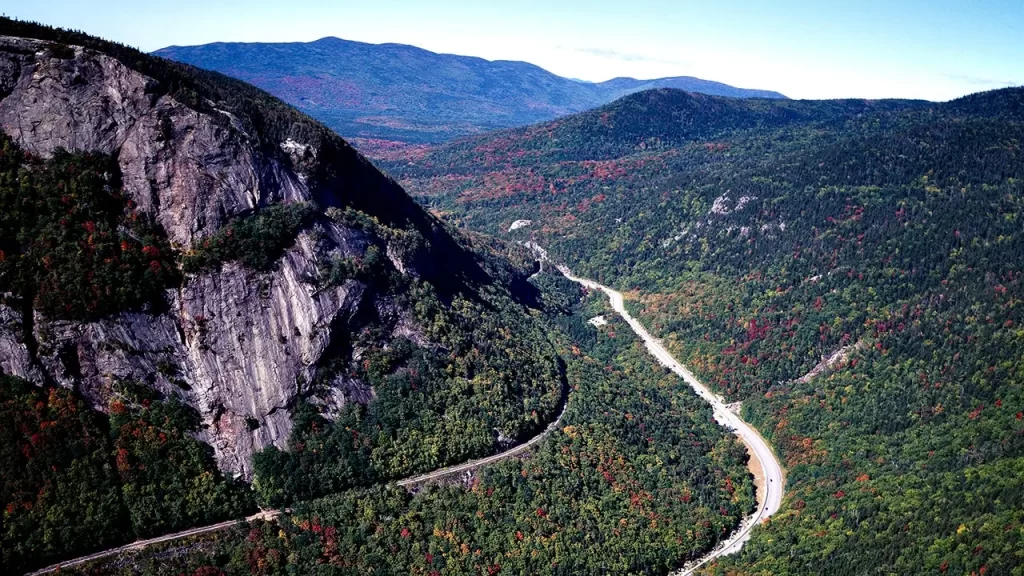

Tragic Discovery: Massachusetts Hiker Found Dead in New Hampshire’s White Mountains
Introduction
The majestic White Mountains of New Hampshire, known for their breathtaking vistas and challenging terrains, recently became the backdrop for a somber event: the discovery of a hiker from Massachusetts found dead following a heavy snowfall. This tragic occurrence has drawn attention to the importance of hiking safety, especially during the winter months. Let’s delve into the details surrounding this incident, the considerations for hikers, and the broader implications for outdoor enthusiasts.
The Incident: What Happened?
In early March 2023, authorities confirmed the tragic news that a Massachusetts resident, who had been hiking alone in the White Mountains, was found deceased. The hiker had set out to explore the scenic trails, but heavy snowfall and harsh conditions rendered the hike perilous. Search and rescue teams worked diligently to locate the individual after friends reported them missing.
Search Efforts
The rescue operation involved local search and rescue teams, including volunteer organizations dedicated to locating missing hikers. With challenging weather conditions, including low visibility and dangerous temperatures, the search proved to be arduous. Despite the extensive efforts carried out by these teams, which included aerial reconnaissance and dog units, the hiker was found several days later, exacerbating the heartbreak felt by friends and family.
Understanding the Risks of Winter Hiking
Weather Conditions
The White Mountains are known for rapidly changing weather conditions, especially during the winter months. Temperatures can drop significantly, and snowfall can make trails unrecognizable. Understanding and preparing for such conditions is crucial for anyone looking to hike during winter.
Navigation Challenges
Snow cover can obscure trail markers, making it challenging to navigate even well-known paths. Hikers often rely on maps, GPS, and personal knowledge of the trails. However, in winter conditions, these tools become less reliable, and anyone considering a hike must proceed with caution.
Physical Preparedness
Winter hiking demands a higher level of physical fitness and mental preparedness. Travelers can face obstacles such as icy trails, deep snow, and extreme temperatures. Adequate preparation, including a proper physical training regimen and knowledge of self-rescue techniques, is essential for any hiker.
Safety Tips for Winter Hikers
Plan Your Route
Before embarking on a hike in the winter, it’s vital to plan your route thoroughly. Studying trail maps and checking for current weather conditions can help you avoid dangerous situations. Always inform someone of your hiking plans, including your expected return time.
Dress Appropriately
Dressing in layers is critical when hiking in cold weather. Wear moisture-wicking materials to keep sweat away from your skin, and always have an insulated outer layer to protect against cold and wind. Don’t forget the importance of proper footwear; insulated, waterproof boots are a must for navigating snowy terrains.
Carry Essential Gear
Having the right gear can mean the difference between life and death when hiking in winter conditions. Always pack:
- A map and compass
- A first-aid kit
- Nutrient-dense food (high in calories)
- Plenty of water (consider insulated bottles)
- A flashlight or headlamp
- Extra clothing
Stay Attuned to Weather Changes
Weather in the mountains can shift rapidly. Keep a close eye on the forecast and be ready to turn back if conditions worsen. Understanding when to call it a day can save lives.
The Impact of the Tragedy
The death of the Massachusetts hiker serves as a poignant reminder of the risks that accompany winter hiking, particularly in the rugged terrains of the White Mountains. The tragedy has sparked conversations among local outdoor communities about the importance of safety protocols and education regarding winter hiking.
Community Response
Local hiking organizations are likely to increase their outreach efforts, providing educational resources and workshops on safe hiking practices in winter conditions. Furthermore, discussions surrounding improved signage and trail marking in the White Mountains may gain momentum to prevent similar incidents in the future.
Importance of Support Networks
The role of friends and family in supporting outdoor enthusiasts cannot be understated. Encouraging those loved ones to communicate their hiking plans and remain aware of their surroundings is essential for ensuring their safety.
Conclusion: Remembering the Hiker
The unfortunate passing of the Massachusetts hiker in the White Mountains serves as a catalyst for heightened awareness around outdoor safety in challenging conditions. While exploring the beauty of nature is a rewarding experience, it must be approached with respect and caution, particularly in winter.
In honor of the hiker and in a bid to prevent future tragedies, let us all commit to practicing safe hiking habits, spreading awareness, and fostering a culture of preparedness among fellow hikers. In doing so, we can ensure that our outdoor adventures remain safe and enjoyable for everyone.
Call to Action: Stay Informed and Prepared
For those eager to explore the great outdoors, particularly during winter months, always prioritize safety. Stay informed, take advantage of local hiking resources, and encourage fellow enthusiasts to do the same. With proper preparation and awareness, we can honor the memory of the hiker, ensuring that their story becomes a lesson learned for future adventurers.