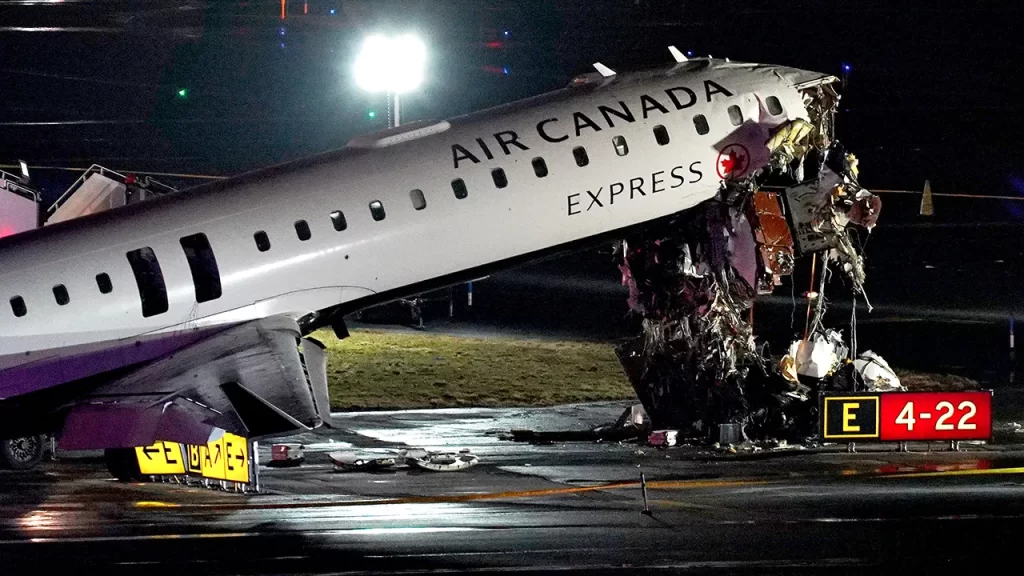

NTSB Findings on LaGuardia Runway Crash: A Deep Dive into ATC Errors and Technical Failures
Introduction
The aviation industry prides itself on maintaining high safety standards, yet incidents still occur. One such devastating event was the fatal crash on a runway at LaGuardia Airport. Recently, the National Transportation Safety Board (NTSB) released findings that pointed to a combination of Air Traffic Control (ATC) errors and technological failures as underlying causes of the tragedy. This article explores these findings in detail and their implications for safety in the aviation sector.
Background of the LaGuardia Runway Crash
In the early hours of a foggy morning, a commercial aircraft collided with a ground vehicle while attempting to take off from LaGuardia Airport. The incident led to significant loss of life, sparking immediate investigations by the NTSB and other aviation authorities. Understanding the complexity behind this tragedy is essential for preventing similar occurrences in the future.
NTSB Investigation Overview
The NTSB launched a thorough investigation to determine the factors contributing to the crash. Findings from several months of analysis drew attention to two critical areas: ATC errors and technical failures within the airport’s systems.
Air Traffic Control Errors
Miscommunication and Mismanagement
The investigation detailed several instances of miscommunication between air traffic controllers and the flight crew. In high-pressure environments like airports, the accuracy of instructions is paramount. Unfortunately, a failure in communication protocols led to the aircraft receiving incorrect takeoff clearance.
ATC Workload and Fatigue
Another factor identified was the workload of the air traffic controllers on duty at the time. Fatigue can significantly impair decision-making abilities, leading to detrimental errors in judgement. With understaffed control towers facing high volumes of traffic, the risk for these kinds of mistakes rises dramatically.
Technical Failures
Outdated Technology
The NTSB also highlighted that specific technical failures contributed to the crash. The systems overseeing surface movement and clearance were outdated and lacked the necessary redundancies to operate safely. While advancements in aviation technology have developed over the years, airports like LaGuardia had not implemented these upgrades.
Failure of Safety Protocols
Procedures designed to cross-verify takeoff and landing authorizations were either not in place or not adhered to during the incident. This lack of a safety net contributed to the avoidable nature of the accident.
Key Takeaways from the NTSB Report
Importance of ATC Training
The NTSB recommended an overhaul of training protocols for air traffic controllers, emphasizing the need for simulation exercises that replicate high-pressure scenarios. Regular refresher courses can help ensure that controllers remain sharp and effective in their roles.
Technology Upgrades
Investing in modern technology, such as advanced runway incursion systems, can play a pivotal role in preventing future accidents. Implementing innovations that allow for real-time monitoring of runway conditions can greatly enhance safety measures.
Coordination and Interagency Collaboration
The complex nature of airport operations requires seamless coordination among various agencies. The NTSB underscored the critical need for improved communication between ATC and ground operations to minimize errors and misunderstandings.
Implications for Future Safety Measures
The findings of the NTSB have far-reaching implications for aviation safety. Increased attention to both human and technological factors can make air travel safer for everyone involved.
Regulatory Changes
The NTSB is expected to advocate for regulatory changes aimed at address these issues. Implementing stricter guidelines on staffing levels, performance benchmarks for ATC personnel, and mandatory upgrades to technology can help pave the way for safer airport operations.
Stakeholder Engagement
Collaboration among stakeholders—including airlines, regulatory agencies, and technology vendors—will be crucial to foster a culture of continuous improvement in safety protocols.
Conclusion
The tragic LaGuardia runway crash serves as a sobering reminder of the potential consequences of negligence and outdated practices in aviation. The NTSB’s findings regarding ATC errors and technical failures underscore the critical importance of aviation safety. By investing in better training, modern technology, and coordinated operational strategies, the aviation industry can learn from past mistakes and work towards safeguarding the skies for all travelers.
SEO Optimization Tips
- Keyword Focus: Ensure keywords like “NTSB LaGuardia crash,” “ATC errors,” and “aviation safety” are strategically placed throughout the content.
- Meta Description: Create a compelling meta description summarizing the article’s focus and inviting users to click through.
- Internal and External Links: Include internal links to relevant articles and external links to authoritative sources for increased credibility.
- Engagement: Encourage reader interaction through comments, shares, and questions to drive further engagement and enhance SEO.
- Readable Formatting: Utilize headings, lists, and short paragraphs for better readability and user experience.
Through thorough investigation, implementation of technological advancements, and prioritizing training and safety procedures, the aviation industry can aim to drastically reduce the risk of future runway incidents.