
Florida Deputy’s Body Camera Stops Bullet During Suspect-Involved Shooting
Introduction
In a dramatic turn of events that highlights the unpredictability and danger of law enforcement, a Florida deputy’s body camera played an unexpected role in a recent suspect-involved shooting. This incident underscores the importance of body cameras in modern policing, their capabilities, and the potential impact they can have on officers’ lives and the broader debate surrounding public safety.
The Incident: A Closer Look
On a seemingly routine day for the deputy, they responded to a call that would later escalate into a life-threatening situation. The suspect, armed and agitated, confronted law enforcement officials. As tensions escalated, a firearm was discharged, leading to a critical moment that would change the trajectory of everyone involved.
Body Camera: A Vital Tool
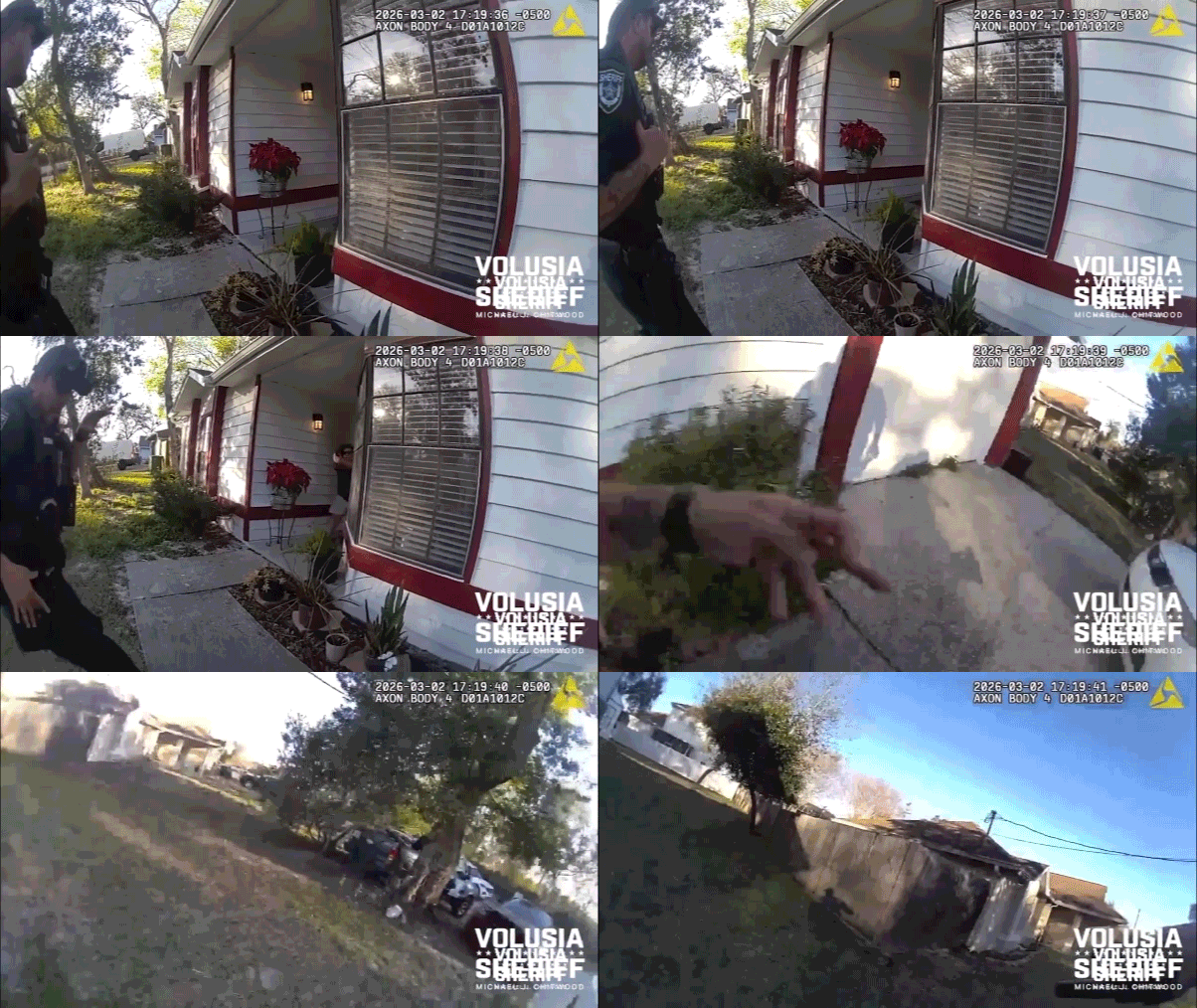
In a remarkable display of technology, the deputy’s body camera, designed to capture all activities, absorbed the bullet fired by the suspect. While this might not be its primary purpose, it served as an additional layer of protection for the officer. The body camera’s durable design, intended for everyday wear and tear, unexpectedly played a key role in saving a life.
The Role of Body Cameras in Law Enforcement
Enhancing Accountability
Body cameras have become increasingly popular in law enforcement agencies across the United States, primarily due to their potential for increasing transparency and accountability. By capturing unfiltered footage of interactions between law enforcement officers and the public, these devices can provide vital evidence in critical cases, such as the incident in Florida.
Protecting Officers and Citizens
The physical protection offered by a body camera is an astonishing feat. While the technology primarily serves to document encounters, it has proven to help secure evidence in cases of misconduct or disputes. This incident illustrates how the presence of technology can protect not only officers but also the community they serve.
Building Trust with the Community
As tensions between law enforcement and communities have escalated in recent years, body cameras serve as a bridge to rebuilding trust. Transparency provided by recorded footage can lead to better understanding and cooperation between citizens and law enforcement, promoting a safer environment for everyone involved.
The Aftermath: Analyzing the Impact
Emotional and Psychological Toll
The psychological toll of a suspect-involved shooting can be profound for deputies and their families. This event will likely lead to an internal investigation, but it’s essential to recognize the emotional impact on all parties involved. Officers may face lingering anxiety, prompting discussions about mental health resources available to law enforcement personnel.
Potential Changes in Policies and Procedures
After an incident of this magnitude, law enforcement agencies often reevaluate their policies and procedures. This may include enhanced body camera training, assessments of their equipment, and ongoing discussions about officer safety. The technology’s unexpected function could lead to further innovation in protective gear.
Community Response
Feedback from the community following the incident will be crucial. Residents may express relief knowing the officer was unharmed, but they may also demand a closer examination of policing practices and the role of firearms in confrontations. Community forums can provide a space for dialogue and healing, leading to more significant collaborations between citizens and law enforcement.
The Future of Body Cameras in Policing
Technological Advancements
As technology continues to evolve, improvements in body camera capabilities are inevitable. Future innovations may include enhanced bulletproof features or integration with other protective gear, providing an extra layer of protection for officers on the job. Research and development in this area will likely be a priority for manufacturers.
Legislative Changes
The incident could also influence legislative discussions surrounding law enforcement practices and technology funding. Policymakers may be encouraged to advocate for increased investment in body cameras and related safety measures for officers. With public sentiment yearning for more secure interactions between law enforcement and the community, legislative pushes could lead to more comprehensive policies regarding the use of body cameras.
Conclusion
The incident involving the Florida deputy’s body camera stopping a bullet serves as a powerful reminder of the unpredictability of law enforcement and the pivotal role technology plays in today’s policing landscape. As we analyze the implications of this event, it is crucial to remember that body cameras are more than just tools for documentation; they are potential life-savers and crucial elements in the ongoing effort to foster trust and accountability between law enforcement and the community.
By evaluating this incident in its entirety—ranging from officer safety to community relations—we can draw valuable lessons that may shape the future of policing. The advent of technology in law enforcement offers opportunities for better practices, innovations, and ultimately saving lives. The road ahead will demand careful consideration, collaboration, and an ongoing commitment to protecting those who put themselves in harm’s way to serve and protect the public.