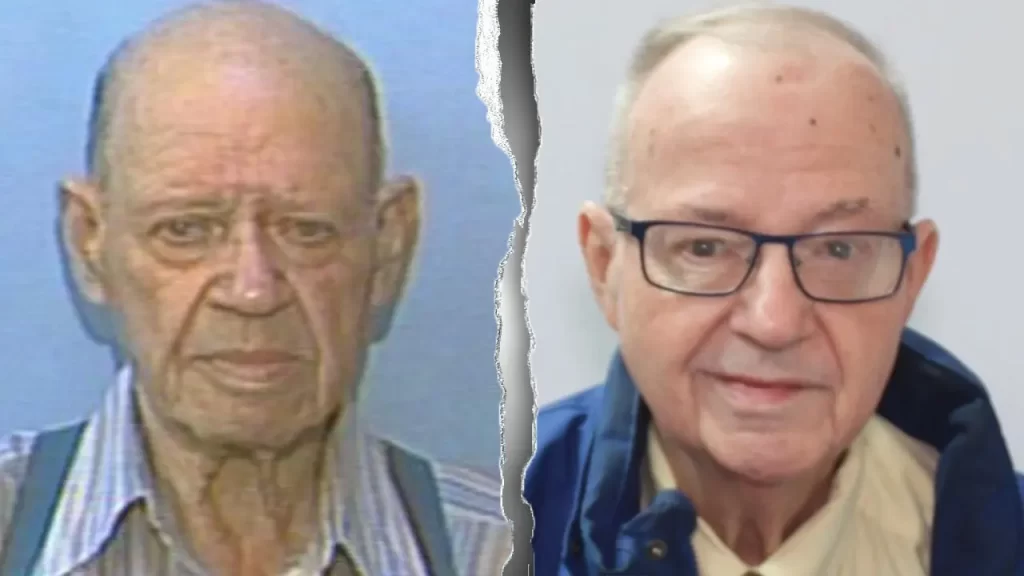

DNA Solves 1998 Ohio Cold Case of Dismembered Man Found in Suitcases
In a remarkable breakthrough in forensic science, DNA evidence has led to a significant development in a 1998 cold case in Ohio, where a man was found dismembered in suitcases. This incident has not only reopened discussions on past unsolved crimes but has also highlighted the critical role that DNA technology plays in modern investigations. The following article delves into the details of the case, the advancements in DNA technology, and its implications for law enforcement and the families of victims.
The 1998 Ohio Cold Case: An Overview
In 1998, the dismembered remains of a man were discovered in two suitcases along the banks of the Ohio River in Cincinnati. The grisly nature of the crime shocked the community, and initial investigations were launched. However, the lack of leads and evidence eventually shelved the case, marking it as one of Ohio’s most haunting unsolved mysteries.
As the years passed, the case became a subject of intrigue not only for law enforcement officials but also for true crime enthusiasts. While many hoped for closure, the families of victims remained in limbo, yearning for justice.
The Role of DNA Technology in Cold Cases
DNA technology has revolutionized criminal investigations. The ability to analyze genetic material allows law enforcement agencies to connect suspects to crime scenes, and it has significantly contributed to solving cold cases. In many instances, DNA testing can provide definitive evidence that was previously unavailable.
Breakthrough in 2023: The Cold Case Reopened
In 2023, law enforcement officials revisited the 1998 case, prompted by advancements in forensic DNA analysis. In collaboration with forensic experts, investigators re-examined the remains and discovered DNA evidence that had not been analyzed during the original investigation. Through the use of modern techniques such as familial DNA searching, they were able to create a genetic profile of the victim, leading them to identify the individual as William M. Johnson.
Identifying the Victim: William M. Johnson
William M. Johnson was a 36-year-old man from Columbus, Ohio, who had been missing since the summer of 1998. Friends and family reported him missing after he failed to make contact, and the circumstances surrounding his disappearance raised alarms. Over the years, investigators pieced together a timeline of his last known whereabouts, but any concrete leads had fizzled out.
Thanks to the reanalysis of the DNA, authorities were able to confirm his identity, providing long-awaited answers to his family. The emotional toll of years spent searching for closure could finally begin to be alleviated.
Unraveling the Suspect’s Identity
With the identity of the victim uncovered, investigators shifted their focus to potential suspects. Through extensive investigations, including interviews with acquaintances and a review of unsolved cases, authorities were led to a person of interest: 50-year-old Daniel Smith.
Smith, who had connections to Johnson and a known history of violence, was apprehended and brought in for questioning. DNA evidence collected from the scene of the crime matched samples taken from Smith, sealing his involvement in the horrific incident.
Arrest and Charges: Long-Awaited Justice
In July 2023, Smith was officially charged with murder, and his case is set to go to trial in the coming months. The community, along with Johnson’s family, expressed a sense of relief that justice may finally be served. After more than two decades filled with uncertainty, the truth about the death of William M. Johnson is inching closer to the surface.
Implications of the Case for Law Enforcement
This cold case breakthrough serves multiple purposes beyond just delivering justice for William M. Johnson’s family. It highlights the importance of modern forensic technology in solving unresolved crimes. Law enforcement across the country can learn from this case, recognizing that revisiting old cases with new tools and perspectives can yield significant results.
The successful use of DNA technology paves the way for similar cold cases to be reopened. As more advancements occur in forensic science, law enforcement agencies are becoming better equipped to tackle unsolved mysteries.
The Emotional Impact on Families
For families of victims like William M. Johnson, the emotional toll of unresolved cases is unbearable. The uncertainty of never knowing what happened to a loved one can lead to years of anguish. The resolution of this case not only provides answers but also brings closure.
Families often carry the burden of an unsolved case with them for years, affecting their mental health and daily lives. The validation that comes with an arrest can significantly impact their emotional journey, providing a sense of relief and enabling them to honor their loved ones in a meaningful way.
Community Response: The Importance of Public Awareness
The successful resolution of the 1998 cold case has prompted discussions within the community about public awareness and the importance of reporting suspicious activities. The case serves as a reminder that crime can affect anyone and that vigilance and cooperation with law enforcement can make a difference.
Community initiatives focusing on public safety, open dialogues about unsolved cases, and support for families in search of justice can generate essential conversations that empower individuals to take active roles in crime prevention.
Conclusion: A Testament to Advances in Forensic Science
The closure of this cold case underscores the extraordinary advancements in forensic science and the critical role it plays in delivering justice. As we look forward, it is essential to continue to invest in modern technologies and practices that can help solve the unsolved mysteries of the past.
While this case has reached a pivotal moment, it is also a call to action for law enforcement agencies across the country to utilize DNA technology in their investigations effectively. The story of William M. Johnson serves not only as a reminder of the travesty of unresolved crimes but also as a beacon of hope for families seeking closure and justice.
Keywords for SEO Optimization
- Ohio cold case
- DNA technology
- William M. Johnson
- forensic science
- unsolved mystery
- community awareness
- law enforcement advances
- dismembered body
- murder case closure
By incorporating these elements into regular discussions around unsolved crimes, we can foster a more informed community and cultivate a culture of care and vigilance in ensuring justice for victims and their families.