
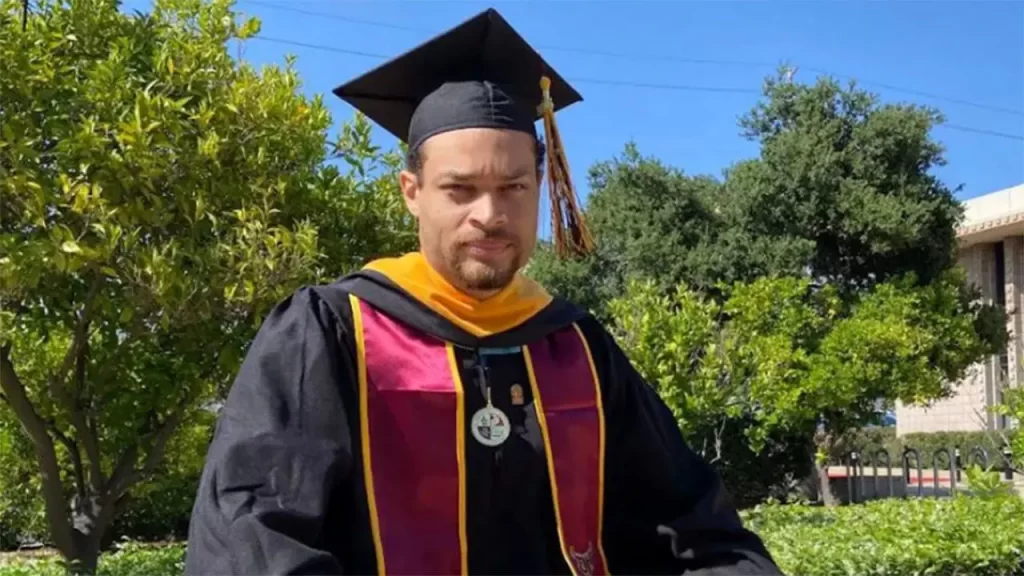

Suspected Trump Dinner Gunman: Insights from an FBI Veteran
Introduction: A Disturbing Incident
In a troubling turn of events, a gunman reportedly attempted to disrupt a dinner event attended by former President Donald Trump. The incident has sparked a debate about the mental state of the suspected shooter and the motivations behind such violent actions. Insights from an FBI veteran suggest that the gunman may not necessarily be mentally ill, but rather displaying signs of suicidal behavior.
Understanding the Profile of the Suspected Shooter
The Complexity of Motives
When assessing the motives of someone committing an act of violence, it is crucial to distinguish between mental illness and suicidal ideation. According to the FBI veteran, the suspected Trump dinner gunman displayed behaviors consistent with someone who may be contemplating suicide rather than suffering from a debilitating mental illness.
Signs of Suicidal Behavior
Indicators of suicidal tendencies can include:
- Social Withdrawal: The gunman may have exhibited signs of isolation prior to the incident.
- Expressing Despair: Comments or actions that suggest hopelessness could have been evident in the lead-up to the event.
- Impulsive Behaviors: Often, individuals in a suicidal crisis may engage in impulsive acts, including violence toward themselves or others.
The Impact of Societal Factors on Suicidal Behavior
Political Climate
The current sociopolitical landscape in the United States has created an environment of heightened tension. The increasing polarization could drive individuals facing personal crises to act out violently as a means of expressing their anguish or dissent.
Mental Health Stigma
The stigma surrounding mental health issues can deter individuals from seeking the help they need. This stigma may lead to a combination of desperation and impulsiveness, further complicating the actions of individuals like the dinner gunman.
Mental Illness vs. Suicidal Ideation
Defining Mental Illness
Mental illness encompasses a range of conditions that can affect mood, thinking, and behavior. While individuals suffering from mental health disorders can act violently, not everyone who commits violent acts is mentally ill.
Suicidal Ideation Explained
Suicidal ideation refers specifically to thoughts or plans about self-harm or ending one’s life. It doesn’t always indicate a mental illness but can arise from overwhelming emotional distress or situational factors.
The Role of Mental Health Professionals
Importance of Psychological Evaluation
Professionals in psychology and psychiatry play a critical role in assessing individuals who display violent behaviors. Thorough evaluations can help differentiate between those who are mentally ill and those who are experiencing acute suicidal ideation.
Treatment Pathways
For those showing signs of suicidal intentions, intervention is necessary. Options may include:
- Crisis Counseling: Immediate support can help individuals cope with their feelings.
- Long-term Therapy: Ongoing care can address underlying issues contributing to suicidal thoughts.
Preventative Measures: Reducing Risk
Community Engagement
Community programs aimed at mental health awareness can be effective in preventing crises. These initiatives encourage individuals to speak openly about their struggles and seek help before resorting to violence.
Early Intervention Strategies
Recognizing the signs of both mental illness and suicidal behavior can enable early intervention. Training community members, educators, and law enforcement on how to identify these signs can save lives.
Addressing the Aftermath of Violence
Community Healing
Post-incident healing is crucial for the community, especially for those affected by the violence. Community forums can provide a platform for discussion, understanding, and healing.
Evaluating Security Measures
In the wake of such incidents, reevaluating security protocols at public events becomes essential to ensure safety while still allowing for open dialogue and interaction.
Conclusion: A Call for Understanding
The attack at the Trump dinner event serves as a sobering reminder of the complexities surrounding violence and suicidal behavior. As reflected by the observations of the FBI veteran, it is important to approach such incidents with a nuanced understanding of the motives at play. By going beyond seeing violent actions solely through the lens of mental illness, society can better address the root causes and initiate meaningful change for both individuals and communities.
Understanding the distinctions between mental health issues and suicidal ideation is key to fostering a supportive and safe environment. As we move forward, community awareness and engagement will be imperative in preventing future tragedies.


