
Arrest Near the White House During King Charles III’s State Visit to Washington, D.C.
Introduction
On a significant occasion like King Charles III’s state visit to Washington, D.C., the eyes of the world were focused on the diplomatic engagements and ceremonial events that characterize such high-profile visits. However, amid the pomp and circumstance, a surprising incident occurred—a person was arrested near the White House, capturing the attention of media outlets and the public alike. This incident raises questions about security measures, the motivations behind protests, and the intersection of politics and monarchy in contemporary society.
Overview of King Charles III’s State Visit
King Charles III’s state visit to Washington, D.C., was a monumental event marking the deep-rooted ties between the United Kingdom and the United States. The visit was filled with traditional dignities, including a formal state dinner, meetings with political leaders, and discussions on pressing global issues, such as climate change, trade, and security. As a high-profile event, it drew significant media coverage and public interest.
Purpose of the Visit
The primary purpose of King Charles III’s visit was to strengthen bilateral relations and discuss key global challenges. Both nations share a historic alliance, and the state visit aimed to reaffirm commitments to mutual cooperation in various sectors, including economic growth, environmental action, and international security.
The Arrest Incident
Context of the Arrest
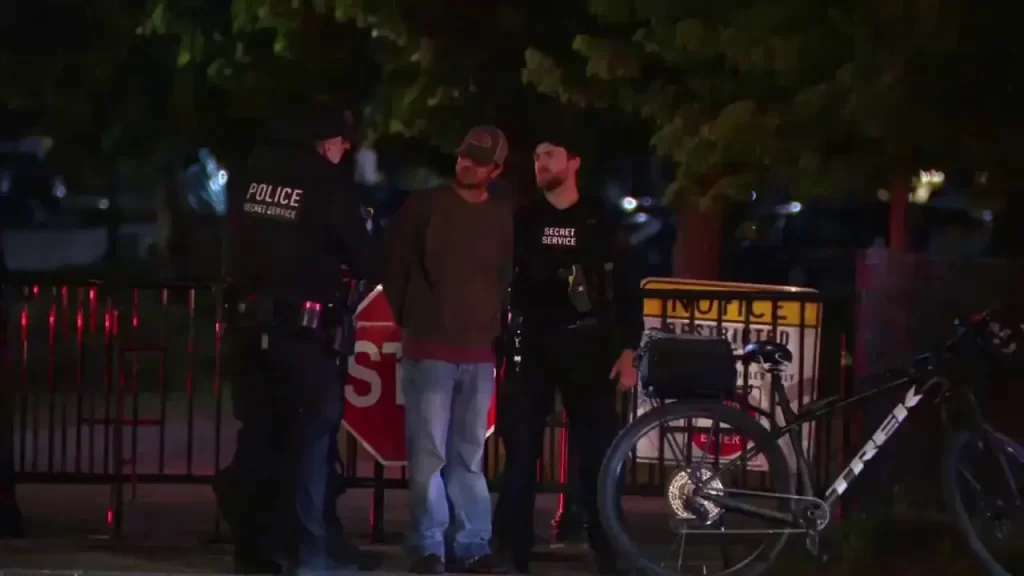
As the regal events unfolded in the backdrop of the White House, tensions simmered nearby. On the day of the state visit, law enforcement authorities faced an unexpected situation when an individual was arrested in proximity to the precincts of the White House. Eyewitness accounts suggest that the individual was attempting to raise awareness of specific social and political issues, possibly in protest against policies in the UK or the U.S.
Details of the Arrest
According to reports, the arrest occurred just a few blocks from the White House. Police responded swiftly, detaining the individual under charges of disorderly conduct. While specific details about the arrestee and their motives remain sparse, initial investigations indicated that this was likely a politically motivated protest. In such moments, it is evident that political dissent can appear even amid the most ceremonial of occasions.
Implications for Security Measures
Heightened Security Protocols
King Charles III’s state visit necessitated enhanced security protocols around the White House and other pivotal locations in Washington, D.C. The presence of foreign dignitaries typically leads to increased surveillance, screening procedures, and law enforcement presence to ensure the safety of all participants.
Challenges in Managing Crowds
Despite extensive precautions, managing large crowds during significant events can be challenging. Protests and public demonstrations are a democratic expression of dissent, yet they pose unique challenges for security personnel. The quick action taken by law enforcement in this case underscores the delicate balance between ensuring public safety and respecting individual rights to free speech.
Public Reaction and Media Coverage
Reaction from Citizens
Citizens present during the incident displayed a range of reactions—some were supportive of the arrestee’s right to protest, while others expressed concern over the disruption it caused during the state visit. Public sentiment often reflects a complex interplay between support for democratic expression and the desire for harmony during state functions.
Media Narratives
The media played a crucial role in shaping narratives around the incident. Coverage varied from sensational reports focusing on the arrest to more analytical pieces exploring the implications of the protest. Such media scrutiny emphasizes the importance of transparency and accountability in the actions taken by law enforcement, particularly in politically charged environments.
The Broader Context of Monarchy and Dissent
The Role of Protests in Democracy
The arrest during King Charles III’s visit raises broader questions about the role of protests in democratic societies. Dissent has historically been a vehicle for social change, often pushing governments to address public concerns. This incident serves as a reminder that even royal visits can ignite discussions on governance, policies, and the voice of the people.
King Charles III and Modern Monarchy
King Charles III’s leadership represents a new era for the British monarchy, one that faces scrutiny from a global audience. As public sentiment shifts toward a more participatory governance style, events like this highlight the challenges that traditional institutions face in adapting to contemporary expectations. The juxtaposition of royalty and public dissent encapsulates a broader narrative of accountability and transparency in governance.
Conclusion
The arrest of an individual near the White House during King Charles III’s state visit underscores the delicate balance between ceremonial diplomacy and the vibrant expressions of public sentiment that characterize modern democracy. While the royal visit was intended to strengthen bonds and foster goodwill, the simultaneous protest speaks to the underlying social issues that persist in both the U.S. and the U.K.
As the world watches these interactions between monarchy and civil society, it remains essential to acknowledge the complexities that define both realms. The incident serves as a reminder that discussions around governance, accountability, and public expression are as relevant today as they have been throughout history. In the aftermath of such events, the discourse on the role of traditional institutions like the monarchy in a democratic society continues to evolve, reminding us all of the importance of listening to diverse voices in our global community.