


Iran Issues Threat After Trump’s Announcement of Strait of Hormuz ‘Humanitarian Gesture’
Introduction
In a recent turn of events, former President Donald Trump announced plans to establish a ‘humanitarian gesture’ in the strategically significant Strait of Hormuz. This declaration has sparked a fierce response from Iranian officials, leading to heightened geopolitical tensions in the region. In this article, we will analyze the implications of Trump’s announcement, Iran’s reaction, and the broader context of the ongoing U.S.-Iran relations, all aimed at ensuring you understand the stakes involved.
The Strategic Importance of the Strait of Hormuz
The Strait of Hormuz is a narrow waterway connecting the Persian Gulf to the Arabian Sea. It is one of the world’s most important maritime chokepoints, with approximately 20% of global oil shipments passing through it. This geographical significance makes any activity in the strait a focal point of international interest.
Oil Trade and Economic Stability
The stability of oil trade routes is crucial not only for Middle Eastern countries but also for global economies. Disruptions in the Strait of Hormuz can lead to significant fluctuations in oil prices, which can have ripple effects worldwide. The U.S. has long sought to secure shipping lanes in this region to maintain global economic stability and safeguard its own energy interests.
Trump’s Humanitarian Gesture: What Does It Mean?
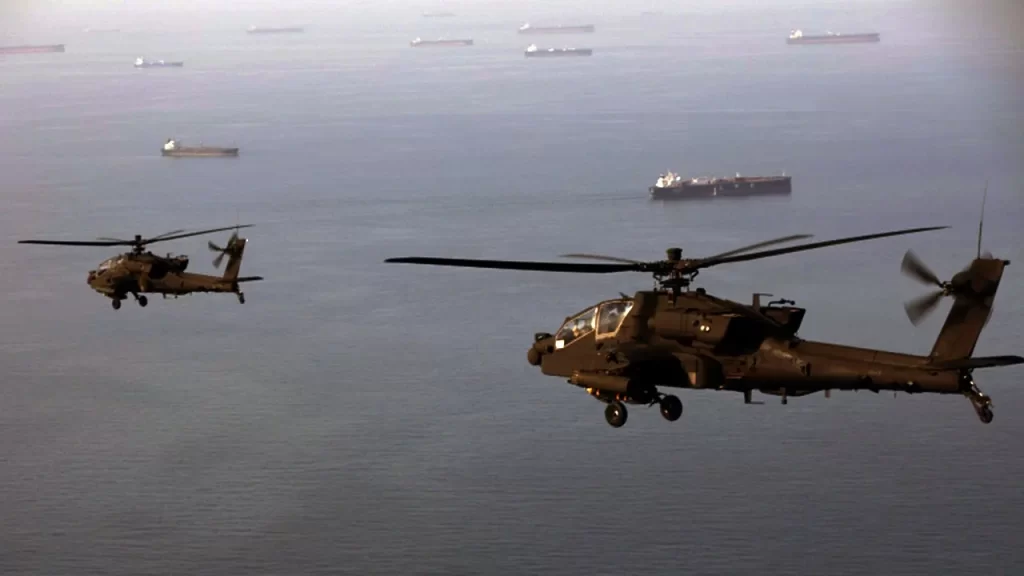
Trump’s announcement of a ‘humanitarian gesture’ was framed as a commitment to ensure safe passage for vessels navigating the Strait of Hormuz. While the phrase implies intentions of goodwill and safety, experts interpret it as more than a simple act of benevolence. It raises questions about U.S. military presence and the implications of enforcing such measures in a region fraught with tension.
Potential Military Impact
The assertion of a humanitarian mission could be seen as a precursor to military operations aimed at safeguarding the free flow of commerce. This raises concerns among Iranian officials, who have historically viewed U.S. military moves as provocations.
Iran’s Response: A Threatening Stance
Iran wasted little time in responding to Trump’s announcement. Iranian military officials issued threats, emphasizing their readiness to protect their territorial waters. Iran views any U.S. military presence in the vicinity of the Strait of Hormuz as a direct challenge to its sovereignty and national security.
Historical Context of Tensions
To understand Iran’s aggressive posture, it is essential to consider the historical context. Since the U.S. withdrawal from the Joint Comprehensive Plan of Action (JCPOA) in 2018 and the subsequent imposition of harsh sanctions, relations between the two countries have significantly deteriorated. Iran believes that any U.S. initiative in the region could impact its influence and economic stability.
The Broader Geopolitical Landscape
The Strait of Hormuz situation is not happening in a vacuum. It is essential to examine how this conflict fits into the larger geopolitical landscape, including relationships with regional actors and global powers.
Regional Allies and Opponents
Iranian allies, including Russia and China, are closely monitoring the situation, as U.S. moves in the Strait could change the balance of power in the Middle East. Russian interests in the region, particularly in terms of energy politics, may lead them to support Iran against perceived U.S. aggressions.
International Reactions
Reactions from international communities and organizations will play a crucial role in shaping the narrative around this crisis. The United Nations and other international bodies may face pressure to mediate the situation to prevent an escalation into military conflict.
Economic Ramifications
The economic implications of heightened tensions in the Strait of Hormuz cannot be understated. Any military conflict could threaten global oil supplies, prompting soaring prices that could hit consumers worldwide. Countries that are heavily reliant on oil imports, such as those in Europe and Asia, would face severe economic challenges.
Supply Chain Disruptions
Additionally, disruptions in oil supply chains could lead to increased production costs in various industries, ultimately affecting consumers. This creates a complicating factor for world economies that are already grappling with issues stemming from the COVID-19 pandemic.
The Risk of Escalation
As each side reinforces its stance, the risk of escalation becomes increasingly palpable. The situation requires diplomatic finesse to prevent miscalculations that could lead to military confrontations.
The Role of Diplomacy
Diplomacy must be a priority to navigate through these murky waters. If global leaders can engage in dialogue, there may be opportunities to de-escalate the situation and achieve a mutual understanding. Negotiations could focus on security guarantees for all parties involved.
Conclusion
In conclusion, the tensions sparked by Trump’s announcement regarding the Strait of Hormuz present a precarious balancing act for both the U.S. and Iran. The strategic importance of the waterway, combined with historical animosities and economic ramifications, means that the stakes have never been higher.
To navigate through these challenges, it is essential for both sides to consider the potential consequences of their actions. The international community must also play a role in mediating and fostering dialogue to ensure that the situation does not spiral out of control.
As we monitor the implications of this geopolitical situation, one thing is clear: the impact of the Strait of Hormuz stretches far beyond the region, affecting global stability and economic well-being.


