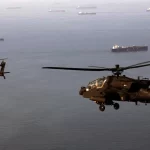
Tensions in the Strait of Hormuz have escalated dramatically in recent months, causing global concern about stability in one of the world’s most vital maritime corridors. The strait, which serves as a conduit for approximately 20% of the world’s oil trade, has long been a flashpoint in geopolitical conflicts, and recent events have underscored its volatility.
The fragile ceasefire in the region, established after a series of skirmishes between military forces from Iran and surrounding Gulf states, hangs precariously in the balance. The current situation is characterized by a series of provocative actions, including naval maneuvers and the seizure of oil tankers, which have heightened fears of broader military confrontations. The potential for miscalculation in this tense environment could lead to significant consequences for international markets and energy supplies.
Iran’s presence in the Strait of Hormuz is not new; however, its recent assertiveness in asserting control over maritime routes raises alarms. The Iranian Revolutionary Guard has conducted military exercises in the area, showcasing a range of missile capabilities. Such moves demonstrate both a show of strength and a strategic signaling to other nations regarding Iran’s perception of territorial integrity and sovereignty.
In response, the United States has increased its naval presence in the region, citing the need to ensure freedom of navigation and safeguard vital shipping lanes. This military buildup has prompted Iran to issue warnings against potential US interventions, warning that any military actions could lead to a “harsh response.” This tit-for-tat escalation has created an uneasy atmosphere where an unintended encounter at sea could spiral into a larger conflict.
The fragile state of the ceasefire has also been influenced by broader geopolitical dynamics, including ongoing negotiations regarding Iran’s nuclear program and Western sanctions. Recent diplomatic efforts have aimed to ease tensions, but these have been undermined by actions on the ground. Both sides continue to engage in rhetoric that suggests a deep mistrust and a reluctance to deescalate tensions, emphasizing the challenges faced in pursuing lasting peace.
The international community watches closely, with potential repercussions for global oil markets if hostilities escalate. As countries reliant on oil imports diversify their energy sources, the lingering instability in the Strait of Hormuz threatens to obstruct vital trade routes and fuel price fluctuations.
In summary, the Strait of Hormuz remains a volatile epicenter of geopolitical tension. Despite diplomatic initiatives and a fragile ceasefire, the potential for conflict looms large, with significant implications for regional and global stability. As stakeholders grapple with these challenges, the urgency for dialogue and negotiation has never been more pronounced.
For more details and the full reference, visit the source link below: