


Beaver Tests Positive for Rabies After Attacking Child at NJ Lake
In a disturbing incident at a lake in New Jersey, a beaver attacked a child and later tested positive for rabies. This shocking event has raised concerns about wildlife safety and the potential risks posed by rabid animals. In this article, we will explore the implications of this incident, rabies in wildlife, and what precautions families can take when enjoying outdoor recreational activities.
The Incident
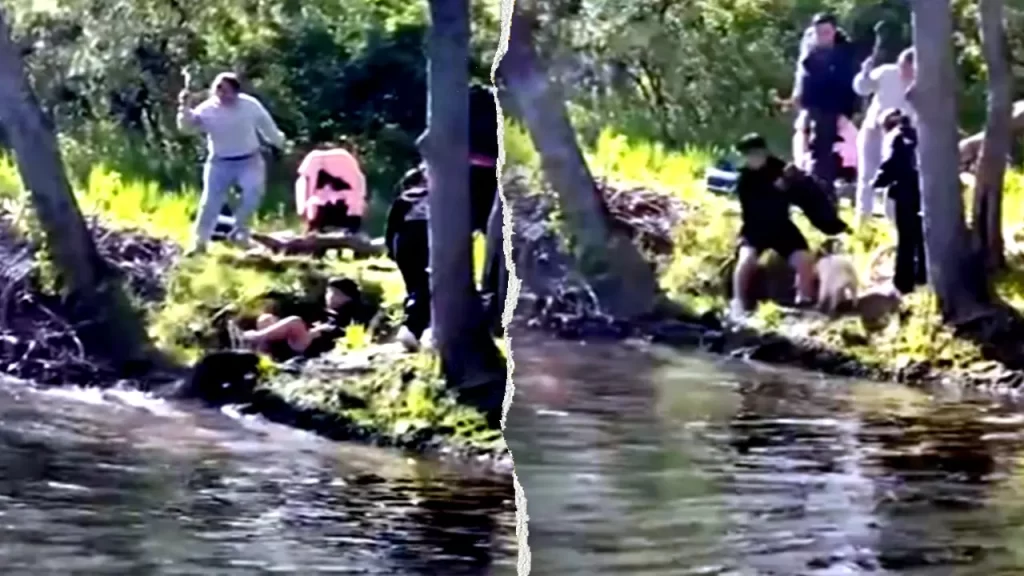
On a sunny afternoon, a family was enjoying a day at a popular lake in New Jersey. The tranquility of their outing took a horrifying turn when a beaver attacked a young child. Witnesses reported that the beaver aggressively approached the child before biting them. This unexpected encounter prompted immediate medical attention for the child, leading to further investigation into the beaver’s behavior.
Immediate Medical Response
Following the attack, the child was rushed to a local hospital where they received treatment for their injuries. Medical professionals monitored the situation closely and initiated post-exposure prophylaxis for rabies. This preventive treatment is crucial after a potential exposure to rabies, especially when involving wild animals known to carry the virus.
Rabies in Wildlife
Rabies is a viral disease that affects mammals, including beavers. It is transmitted through the saliva of infected animals, usually through bites. There are several key points to understand about rabies and its prevalence in wildlife:
Transmission and Symptoms
Rabies is typically spread through contact with the saliva of an infected animal. Following exposure, symptoms may not appear for weeks or even months. Early symptoms resemble the flu, including fever, headache, and fatigue. As the disease progresses, it can lead to neurological symptoms such as confusion, paralysis, and ultimately death if left untreated.
The Rabies Cycle
Wildlife, including raccoons, bats, and beavers, plays a significant role in the rabies cycle. They can carry the virus without showing symptoms, making them a hidden threat. Urban areas, especially those near water bodies, can become hotspots for wildlife interactions, increasing the likelihood of human exposure to rabies.
The Implications for Public Safety
The attack and subsequent rabies diagnosis have sparked conversations about public safety and wildlife management in New Jersey. Authorities and wildlife experts are highlighting the need for vigilance among families enjoying outdoor activities.
Educating the Public
In light of this incident, educating the public about how to act around wild animals is more important than ever. Families should be informed about the behaviors of local wildlife and the risks involved. Here are some essential tips for maintaining safety near bodies of water where wildlife may be present:
-
Keep Your Distance: Never approach wild animals. Even animals that appear calm can become aggressive if they feel threatened.
-
Supervise Children: Always keep a watchful eye on children, especially in areas known for wildlife presence.
-
Avoid Feeding Animals: Feeding wildlife can lead to habituation, making animals more likely to approach humans.
-
Know the Signs of Rabies: Be aware of behavioral changes in animals, such as aggression, disorientation, or unusual behavior.
-
Report Aggressive Animals: If you encounter wildlife that exhibits strange behavior, contact local wildlife authorities immediately.
Wildlife Management Practices
State wildlife agencies are now faced with the task of ensuring public safety while respecting the ecosystem. The incident highlights the need for effective wildlife management strategies, including:
-
Monitoring Wildlife Populations: Keeping track of animal populations can help identify potential rabies outbreaks.
-
Vaccination Programs: In some regions, wildlife vaccination programs can help reduce the incidence of rabies among wild animal populations.
-
Community Engagement: Raising awareness about wildlife behavior and the importance of not approaching wild animals is essential in preventing future incidents.
Conclusion
The attack by a rabid beaver on a child at a New Jersey lake serves as a stark reminder of the potential dangers posed by wildlife encounters. While incidents like this are rare, they underline the importance of public education and proactive wildlife management practices. Families can enjoy outdoor activities safely by understanding the risks and taking necessary precautions. As this situation unfolds, local authorities will continue to address wildlife safety, ensuring the well-being of both humans and animals in the community.
Keywords to Optimize for SEO
- Beaver attack rabies New Jersey
- Rabies safety tips for families
- Wildlife encounters public safety
- New Jersey wildlife management
- Preventive measures against rabies
By focusing on these keywords throughout the article, readers searching for information on wildlife safety, rabies concerns, and family activities can easily find relevant resources and guidance, reinforcing the importance of staying informed and vigilant in natural outdoor settings.


