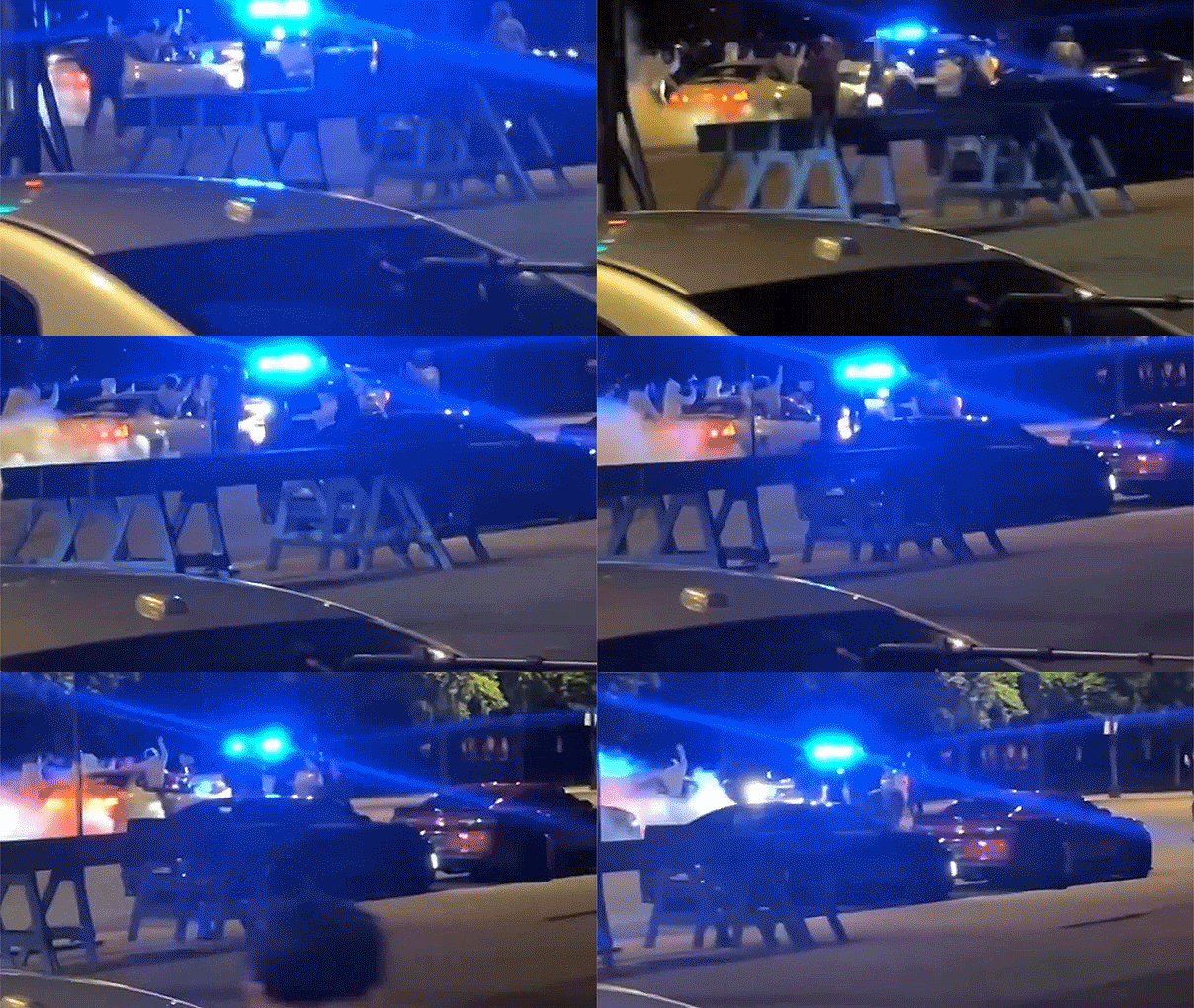

Chicago Police Cruiser Rammed During Teen Street Takeover: Key Insights and Arrest
Introduction
In recent weeks, a shocking incident unfolded in Chicago, capturing the attention of the media and the public alike. A video surfaced showing a Chicago police cruiser being deliberately rammed during a chaotic street takeover involving a group of teenagers. Such events raise critical questions about safety, law enforcement, and the influence of social media on youth culture. In this article, we will delve into the details of the incident, its implications, and the response from both law enforcement and the community.
What Happened?
The incident took place on a weekend night, as a large gathering of teenagers participated in a street takeover—a dangerous phenomenon involving illegal street racing, stunts, and the blocking of roads. Social media platforms were instrumental in organizing this event, with “pop-up” gatherings becoming increasingly common in urban areas.
The video footage shows a police cruiser approaching the scene to disperse the crowd when a vehicle, driven by one of the participants, intentionally rammed into the police car. Fortunately, no officers were injured during the incident, but it highlights the escalating tensions between law enforcement and street takeover participants.
The Rise of Street Takeovers
With the increasing accessibility of social media, the phenomenon of street takeovers has gained traction. Young individuals share plans and coordinates for such illegal events, often underestimating the risks and legal repercussions involved. These takeovers can lead to serious accidents, injuries, and confrontations with law enforcement, creating a dangerous environment for both participants and bystanders.
Impact on Community Safety
Street takeovers not only threaten the safety of those directly involved but also jeopardize the well-being of the surrounding community. The noise, chaos, and potential violence can create an atmosphere of fear and frustration among local residents. Police departments across the country, including Chicago, are grappling with how to effectively manage these situations while ensuring public safety.
The Role of Social Media
Social media plays a double-edged sword in the rise of street takeovers. On one hand, it enables rapid organization and mobilization of participants. On the other hand, it complicates law enforcement’s ability to predict and respond to these events. As videos of these events spread virally, they may encourage more individuals to participate, often underestimating the risks involved.
Increasingly, police departments are using social media to combat this trend by issuing warnings and urging community members to refrain from participating in such dangerous activities. However, the challenge remains significant as young individuals often seek thrill and adventure, prioritizing these experiences over potential consequences.
The Aftermath
In the wake of the incident involving the Chicago police cruiser, one individual has been arrested, showcasing law enforcement’s commitment to addressing these dangerous behaviors. Authorities are likely to take steps toward stricter regulations and increased penalties for those involved in street takeovers, especially when it escalates to physical confrontations with police.
Legal Repercussions
Participants in street takeovers can face criminal charges, including reckless driving, resisting arrest, and public endangerment. In this particular case, the individual who rammed the police car could face aggravated assault charges, among others. These legal repercussions serve as a deterrent for future participants, highlighting the serious nature of their actions.
Community Response
The community’s reaction to street takeovers can vary. Many residents express frustration and concern, advocating for more proactive measures from law enforcement. Local leaders are often called upon to address the underlying causes of youth participation in such risky activities. Initiatives that engage youth in positive activities, including sports, arts, and community service, could prove beneficial in redirecting energy away from illegal street takeovers.
The Need for Dialogue
In addressing street takeovers, it’s essential to foster dialogue between law enforcement, community leaders, and youth. Creating a safe environment for open conversations can help identify the root causes of the problem while providing constructive outlets for young individuals.
Programs that offer mentorship, education, and resources can play a crucial role in steering youth away from dangerous behaviors. Collaboration between schools, community organizations, and law enforcement can lead to innovative solutions and a collective effort to reduce the prevalence of street takeovers.
Conclusion
The incident involving a Chicago police cruiser being rammed during a teen street takeover is a stark reminder of the dangers associated with this growing trend. As law enforcement continues to confront these challenges, community involvement and proactive measures are essential to promoting public safety and preventing future incidents.
Civic engagement, mentorship, and communication are crucial in guiding youth toward safer activities, ultimately benefiting the community as a whole. By addressing the underlying issues and fostering a culture of responsibility and respect, the goal of reducing street takeovers can be realized, creating a safer environment for all.
Call to Action
Community members, parents, and local leaders are encouraged to engage in conversations about youth activities and the potential risks associated with street takeovers. Let’s work together to create enjoyable and safe alternatives for our youth, influencing positive changes in our neighborhoods and ensuring that incidents like the one in Chicago become a thing of the past.