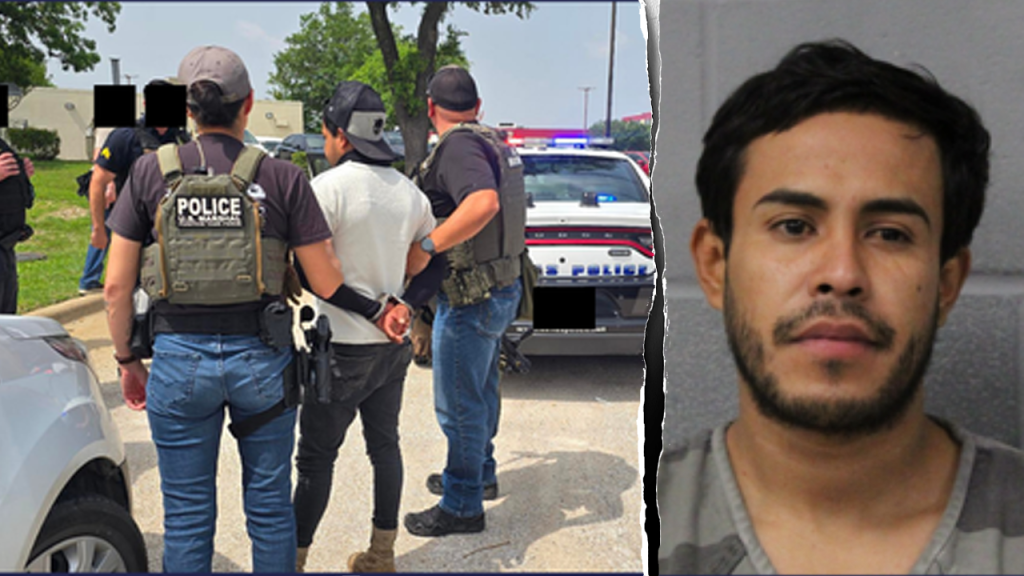

Deported Mexican National Arrested as Suspected Serial Killer in Texas
Introduction
A shocking crime wave has recently surfaced in Texas, leading to the arrest of a deported Mexican national believed to be a serial killer. This disturbing case has garnered national attention, raising questions about immigration, law enforcement, and public safety. As investigators delve deeper into this alarming situation, it is essential to examine the background of the suspect, the nature of the crimes, and the implications for communities across the United States.
Who is the Suspected Serial Killer?
Background Information
The suspect, identified as Juan Carlos Rodriguez, was deported from the United States earlier this year due to previous criminal activities. Reports indicate that Rodriguez has a long criminal history, including violent offenses that prompted law enforcement to take action against him. His return to Texas following his deportation raises significant concerns about border security and the efficacy of U.S. immigration policies.
Criminal History
Rodriguez’s previous run-ins with the law had set off alarm bells for many. He had been linked to several violent incidents, including assaults and drug-related crimes. Despite his deportation, he managed to resurface in Texas, leading to a troubling pattern reminiscent of several cases involving repeat offenders who only perpetuate violence upon their return.
Timeline of Events
Arrest and Investigation
Rodriguez was apprehended following a series of gruesome murders that took place in small Texan towns. Law enforcement officials initially began investigating a string of disappearances that involved young women from the area. As the investigation progressed, authorities discovered disturbing clues indicating a possible serial killer was at work.
Connecting the Dots
Through forensic evidence, witness testimonials, and surveillance footage, investigators pieced together a timeline and were able to connect Rodriguez to multiple crime scenes. His unique modus operandi, characterized by violence and a pattern of targeting vulnerable individuals, further solidified suspicions against him.
The Crimes
Nature of the Offenses
The crimes are heinous in nature, involving abductions, assaults, and, ultimately, murder. Each victim exhibited signs of extreme brutality, indicating a disturbing psychopathology. As investigators uncovered more evidence, the scope of Rodriguez’s alleged crimes began to reveal a pattern suggestive of premeditated actions rather than impulsive behavior.
Victims and Community Impact
With each discovery, the community was gripped with fear and anxiety. Family members of the victims have expressed their grief profoundly, calling for justice and emphasizing the need for enhanced community safety measures. The psychological impact on the small towns affected by the violence is likely to linger for years, affecting social cohesion and trust among residents.
Implications for Immigration Policy
Border Security Concerns
The arrest of a deported criminal raises significant concerns regarding border security and immigration policies. Many argue that the U.S. should take a harder stance on individuals who exhibit violent behaviors, ensuring that they do not return to American soil. Rodriguez’s case could serve as a flashpoint for ongoing debates surrounding immigration reform and border control.
Public Safety Measures
Concerns over public safety become paramount in this context. Advocates for stricter immigration policies argue that comprehensive vetting and monitoring of individuals who have been deported are crucial to preventing crimes such as those allegedly committed by Rodriguez.
Law Enforcement Response
Enhanced Investigation Techniques
In response to the emergence of this case, law enforcement agencies in Texas have announced initiatives aimed at improving investigations of violent crimes. They emphasize the importance of collaboration between local, state, and federal agencies to efficiently track deported criminals and enhance community safety.
Community Awareness and Vigilance
Law enforcement officials have also urged communities to remain vigilant and aware of their surroundings. Initiatives to educate community members on safety protocols and how to report suspicious activities have increased in response to the fear instilled by these recent crimes.
The Path Forward
Seeking Justice for Victims
As the legal proceedings against Rodriguez unfold, many in the community are hopeful for justice. Families of the victims are advocating for harsher penalties for violent offenders, as well as for policies that ensure criminals do not easily slip through the cracks of an imperfect legal system.
Broader Implications for Society
Rodriguez’s case raises critical questions that society must confront in the coming years. As debates over immigration policy and law enforcement continue, the tragic events surrounding this suspected serial killer will serve as a reminder of the need for thoughtful, effective strategies to protect citizens while also addressing the complexities of immigration.
Conclusion
The arrest of a deported Mexican national as a suspected serial killer has sent shockwaves through Texas and beyond. As families mourn and communities grapple with the implications of this tragedy, it is essential to focus on the broader issues of criminal justice and immigration policy that this case has illuminated. The pursuit of justice for victims must go hand-in-hand with the quest for safer communities, ensuring that no individual is allowed to escape responsibility for their actions. As the legal processes unfold, society at large must remain vigilant in calling for measures that prioritize public safety, fair immigration policies, and effective law enforcement strategies.