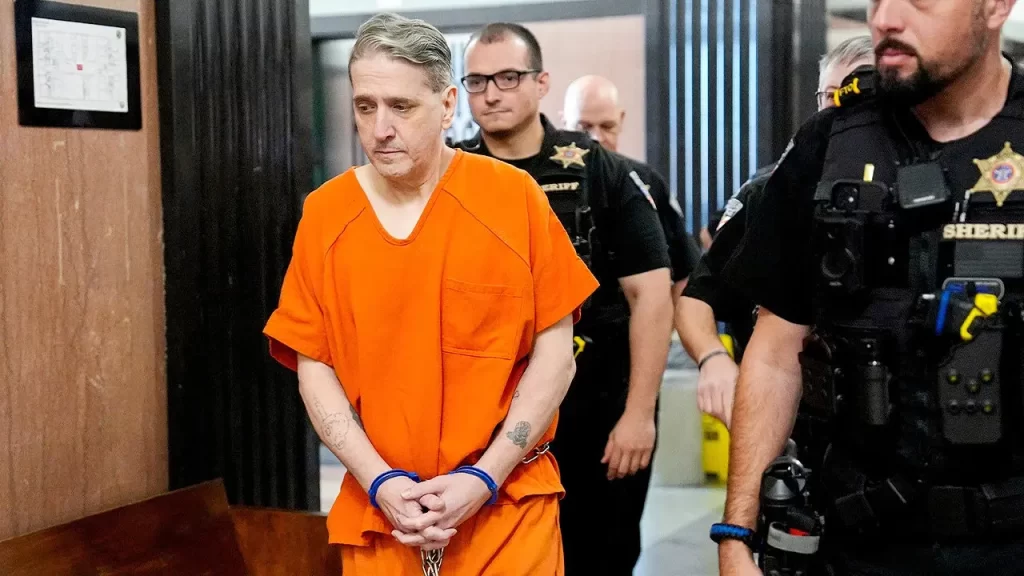

Former Death Row Inmate Richard Glossip Granted Bond After 29 Years
Introduction
In a landmark moment for the American justice system, Richard Glossip, a former death row inmate, has been granted bond after spending nearly 29 years behind bars. His case has drawn widespread attention, raising crucial questions about the validity of the death penalty, wrongful convictions, and the systemic issues plaguing the legal system. This article delves into the details of Glossip’s case, the implications of his bond grant, and what it means for similar cases across the country.
The Background of Richard Glossip
Richard Glossip was convicted in 1997 for the 1997 murder of Barry Van Treese, a motel owner in Oklahoma. His conviction was primarily based on the testimony of a co-worker, Justin Sneed, who claimed that Glossip had hired him to commit the crime. However, Sneed later pleaded guilty to first-degree murder and received a lighter sentence. Over the years, Glossip maintained his innocence, claiming that he had been wrongly convicted.
Flaws in the Legal Process
The case against Glossip was riddled with inconsistencies and questionable evidence. For instance, Sneed’s testimony was the linchpin of the prosecution’s case, yet it was revealed that he had significant motives to shift blame onto Glossip. Key evidence that could have exonerated Glossip was not adequately presented during the trial. These significant oversights caught the attention of numerous advocacy groups and legal experts, who began to rally behind Glossip’s cause.
The Fight for Exoneration
The journey toward securing Glossip’s freedom was not straightforward. Over the years, multiple appeals were filed, revealing various procedural errors and evidential problems. His case became emblematic of the issues surrounding the death penalty in the United States, which includes not only wrongful convictions but also the moral implications of capital punishment.
Advocacy and Support
Numerous organizations, including the Innocence Project and several high-profile lawyers, took up Glossip’s case, drawing public attention and putting pressure on the Oklahoma legal system. Social media campaigns and public demonstrations further amplified calls for justice. The movement for Glossip’s exoneration galvanized public sentiment and underscored the urgency of addressing flaws in the judicial system.
The Recent Decision: Bond Granted
In an unexpected turn of events, the Oklahoma Court granted Glossip the opportunity for bond after he spent nearly three decades on death row. This decision follows a series of reviews and legal arguments pointing to the lack of concrete evidence against him and the significant discrepancies in the prosecution’s case.
Impact of the Court’s Decision
The decision to grant bond could signify a turning point not only for Glossip but also for the broader discourse surrounding wrongful convictions and the death penalty. The implications of this case may instigate legislative changes to ensure greater fairness and accuracy in capital cases.
Broader Implications for the Justice System
The Death Penalty Debate
Richard Glossip’s case contributes to the ongoing debate surrounding the morality and efficacy of the death penalty. Critics argue that the risk of executing an innocent person is too high, while proponents of capital punishment maintain its deterrent effect. Glossip’s story illustrates the glaring flaws in the system and raises critical questions about how many others might be wrongfully convicted.
Media Coverage and Public Awareness
The media has played an essential role in highlighting Glossip’s case, bringing it to the forefront of public consciousness. Increased coverage of wrongful convictions encourages a more informed citizenry and calls into question the integrity of the justice system.
Conclusion
Richard Glossip’s journey from death row to being granted bond after 29 years serves as a powerful reminder of the fragility of justice and the importance of vigilance in the legal system. His case not only sheds light on the potential for wrongful convictions but also emphasizes the urgent need for reform. As Glossip awaits the next steps in his legal journey, his story will continue to resonate, inspiring advocacy for those wrongfully accused and igniting discussions about the future of the death penalty in the United States.
Call to Action
As citizens, we must remain informed and engaged in discussions about justice reform. Whether through advocacy or education, our collective effort can help shape a system that values fairness and accuracy. By supporting organizations fighting against wrongful convictions and promoting legislative reforms, we can contribute to a future where cases like Richard Glossip’s become a relic of the past.