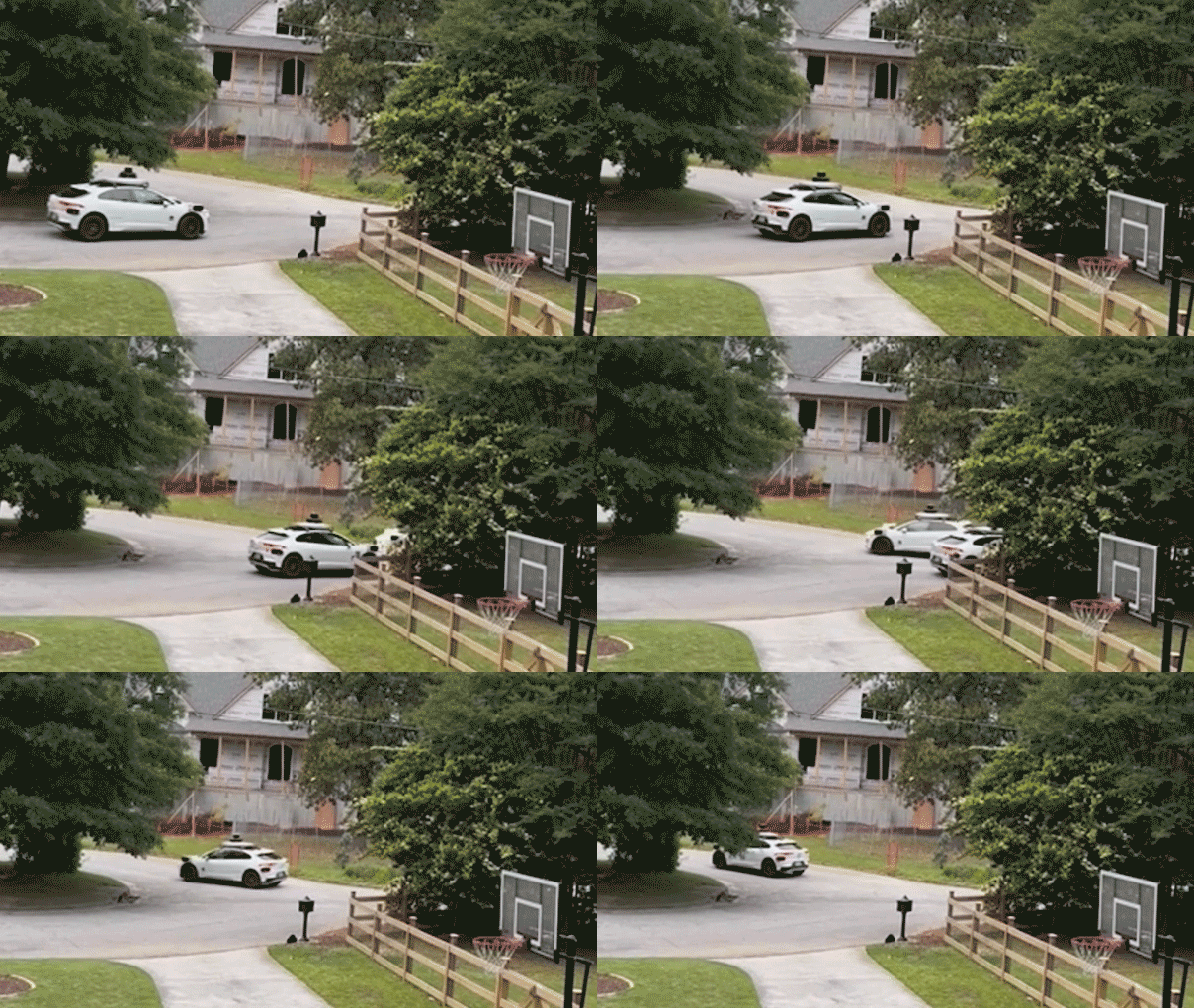

Waymo Cars Flood Atlanta Neighborhood Cul-De-Sacs Due to Routing Glitch
In recent weeks, residents of a quiet Atlanta neighborhood have experienced an unusual influx of Waymo self-driving cars, creating a peculiar scene as these autonomous vehicles have flooded local cul-de-sacs. This unexpected phenomenon has sparked conversations about the challenges of urban transportation, the reliability of autonomous technology, and the implications for neighborhood dynamics.
What Happened?
The incident unfolded when a software glitch in Waymo’s routing algorithm led numerous self-driving cars to access particular cul-de-sacs within the community repeatedly. This tech misfire resulted in a strange parade of autonomous vehicles navigating the same routes, leading to traffic congestion in areas that typically enjoy tranquility.
Residents quickly began to notice the constant flow of Waymo cars, which initially sparked curiosity but soon turned into frustration. Complaints ranged from noise and disruption to concerns about safety and whether these vehicles could adequately respond to the unpredictable nature of human-driven traffic.
What Caused the Glitch?
The root of the issue appears to stem from an error in Waymo’s complex routing algorithm. While the technology behind these vehicles is lauded for its precision, even the most advanced systems can encounter failures.
Technical Overview of Autonomous Routing
Waymo’s autonomous vehicles utilize a combination of GPS data, LIDAR sensors, and machine learning to navigate roadways. The system is designed to learn from past experiences, enabling it to adapt to changing traffic patterns and environments. However, during the recent routing error, the algorithm incorrectly identified specific cul-de-sacs as optimal pathways.
This mishap highlights the intricacies and potential vulnerabilities in autonomous driving technology, raising questions about how these systems can be improved for greater reliability and a more seamless integration into existing urban landscapes.
Impact on the Community
The unexpected presence of Waymo cars in the neighborhood has had both immediate and long-term effects on the community.
Immediate Effects
-
Traffic Congestion: The influx of vehicles caused notable traffic disruptions, particularly during peak hours when they navigated cul-de-sacs repeatedly.
-
Noise Pollution: Residents have reported increased noise levels from the electric vehicles, disrupting the serene atmosphere typically enjoyed in residential areas.
-
Safety Concerns: There’s a growing apprehension among residents regarding the safety of having autonomous vehicles circulating through their neighborhood. Parents worry about the impact on children playing outside and the unpredictability of traffic patterns caused by self-driving cars learning to maneuver in real-time.
Long-term Effects
-
Regulatory Scrutiny: This incident may prompt local authorities to reevaluate regulations governing autonomous vehicles, emphasizing the need for stricter protocols and oversight to prevent similar occurrences in the future.
-
Community Sentiment: The incident may influence public perception of autonomous technology. While many individuals recognize the potential benefits of self-driving cars, incidents like this raise concerns that could hinder broader acceptance and integration.
-
Infrastructure Adaptation: As autonomous vehicles become more prevalent, communities may be required to adapt their infrastructure to accommodate these new technologies, including revised traffic signals or dedicated lanes.
Waymo’s Response
In light of the situation, Waymo has issued statements acknowledging the glitch and expressing a commitment to rectify the issue. In addition, they indicated that teams had been dispatched to the affected neighborhoods to monitor the situation and mitigate disruptions.
Future Improvements
Waymo has emphasized that they are dedicated to continuous improvement. They plan to conduct an extensive analysis of this incident and update their algorithms to prevent recurrence. Furthermore, the company aims to engage with community members to understand their concerns and foster dialogue on the future of autonomous vehicles.
Moving Forward: The Future of Autonomous Vehicles in Urban Areas
As cities around the world continue to explore the integration of autonomous transportation, incidents like the one experienced in Atlanta serve as crucial learning opportunities.
Building Trust in Autonomous Technology
To enhance public trust in autonomous vehicles, companies like Waymo must prioritize transparency in their operations. This includes communicating openly with communities about potential risks and challenges along with the safety measures they are implementing.
Collaboration with Local Governments
It is vital for tech companies and local governments to collaborate effectively. Developing policies that address technical glitches and ensuring comprehensive driverless vehicle regulations will be critical in building a reliable framework for the future.
Community Engagement
Engaging with residents can serve as a powerful tool in integrating autonomous technology. Community forums, educational initiatives, and partnerships can help dispel fears while inviting residents to be part of the conversation on how these technologies will shape their lives.
Conclusion
The influx of Waymo cars in an Atlanta neighborhood serves as a reminder of the complexities surrounding autonomous vehicle technologies. While self-driving technology holds tremendous potential to revolutionize urban transportation, incidents like this highlight the ongoing challenges that companies must navigate.
As the industry evolves, ongoing dialogue between residents, local governments, and technology providers will be essential in ensuring that the transition to autonomous vehicles is smooth, safe, and beneficial for all parties involved.
Ultimately, the experiences in Atlanta could pave the way for more informed discussions and policies, setting the stage for a more integrated future where autonomous vehicles coexist harmoniously with traditional transportation methods.