
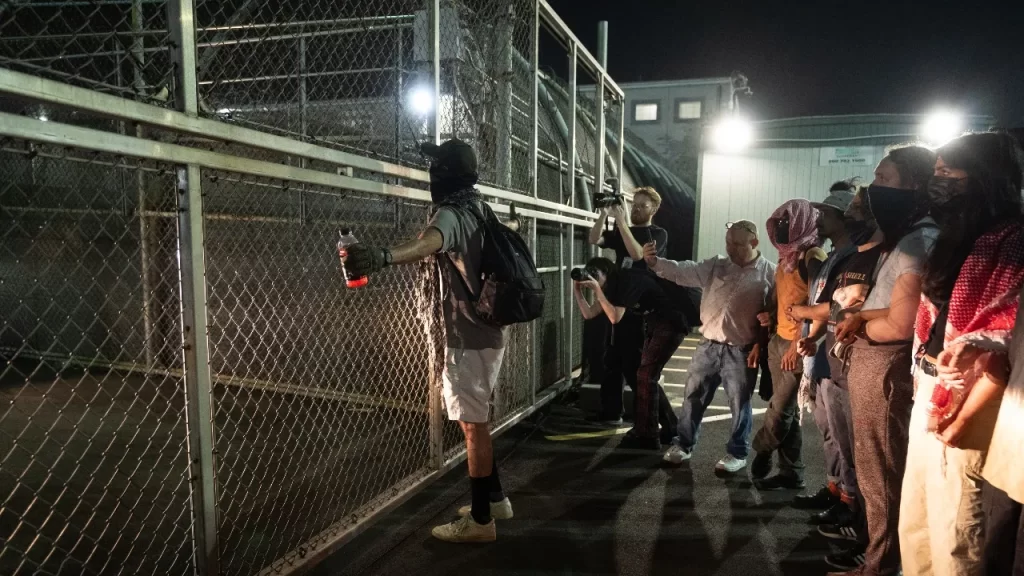

New Jersey Gov. Sherrill Denied Entry to Newark ICE Detention Facility
Introduction
In a recent high-profile incident, New Jersey Governor Mikie Sherrill was denied entry to the Newark ICE detention facility. This event has sparked conversations around immigration policies, transparency in detention centers, and the role of state officials in overseeing federal operations. As discussions surrounding immigration continue to intensify, this incident underscores the ongoing tension between federal immigration enforcement and state governance.
Background on ICE Detention Centers
U.S. Immigration and Customs Enforcement (ICE) operates a network of detention facilities across the country with the aim of enforcing immigration laws. These centers are often criticized for their treatment of detainees, which has led to widespread public scrutiny. In New Jersey, the Newark ICE detention facility has been in the spotlight for its conditions and policies.
Governor Sherrill’s Intentions
Governor Sherrill’s attempt to enter the facility stems from her commitment to ensuring the humane treatment of all individuals, regardless of their immigration status. She has expressed concern over the conditions within ICE facilities and the potential for human rights violations. Sherrill aimed to assess the situation firsthand, a move that aligns with her administration’s focus on transparency and accountability.
The Denial of Entry
On the day of her planned visit, Governor Sherrill was reportedly met with resistance from federal officials. The denial of entry raised questions about federal versus state authority, transparency, and the treatment of detainees within the facility. ICE had previously faced criticism for restricting access to its centers, making it challenging for state officials, journalists, and advocacy groups to conduct oversight.
Reasons for Denial
The federal government often cites security protocols and operational integrity when denying entry to state officials. However, critics argue that this lack of transparency serves to protect poor practices within detention facilities rather than public safety. Governor Sherrill’s team expressed disbelief and disappointment at the incident, emphasizing the need for oversight and accountability.
Implications for Immigration Policy
The denial of entry not only affects Governor Sherrill’s agenda but also reflects broader issues within immigration policy. It highlights the increasing divide between state governance and federal enforcement actions. With various states taking stands against federal immigration policies, this incident demonstrates how local leaders are attempting to reclaim authority over immigration-related issues.
Human Rights Concerns
The denial of entry fuels ongoing concerns about human rights violations within ICE detention facilities. Allegations of inadequate health care, poor living conditions, and abusive practices have been reported in many centers across the nation. Governor Sherrill’s push for access to the Newark facility aims to shed light on these issues and advocate for reform.
Advocacy and Public Response
In the wake of the incident, numerous advocacy groups have rallied in support of Governor Sherrill. Organizations focused on immigrant rights argue that state officials should have the ability to inspect and oversee conditions within ICE facilities. Public response has underscored the importance of transparency when it comes to government actions, especially in matters affecting vulnerable populations.
Mobilizing Support for Change
Activists are mobilizing support around this incident, calling for more rigorous state oversight of ICE facilities. They emphasize the need for public awareness and accountability in ensuring that detainees are treated with dignity and respect. Governor Sherrill’s actions have become a rallying point, inspiring both local and national discussions about the future of immigration enforcement in the United States.
Legal and Legislative Considerations
The denial of entry has legal implications as well, particularly concerning the rights of state officials to intervene on behalf of their constituents. Legal scholars suggest this incident could set precedents regarding state-federal relations and the responsibilities of governors in overseeing federal operations within their states.
Possible Legislative Reforms
In light of this event, there may be a push for legislative reforms aimed at increasing state oversight of federal facilities. Lawmakers may seek to introduce measures that promote transparency and ensure that individuals in ICE custody are treated fairly and humanely.
Conclusion
The denial of entry to Newark ICE detention facility by Governor Sherrill serves as a pivotal moment in New Jersey’s approach to immigration enforcement and oversight. It reflects larger national debates about the treatment of detained immigrants and the balance of power between state and federal entities. As discussions continue, there is a clear call for increased transparency, accountability, and the humane treatment of all individuals, regardless of their immigration status.
By focusing on human rights and striving for constructive change, Governor Sherrill and her supporters may pave the way for reforms that could reshape the landscape of immigration policy in New Jersey and beyond. This incident not only highlights the ongoing struggles within the immigration system but also serves as a catalyst for advocacy and potential legislative reform. As the conversation evolves, it is crucial for state and federal officials to work collaboratively to ensure the rights and dignity of all individuals are upheld.

