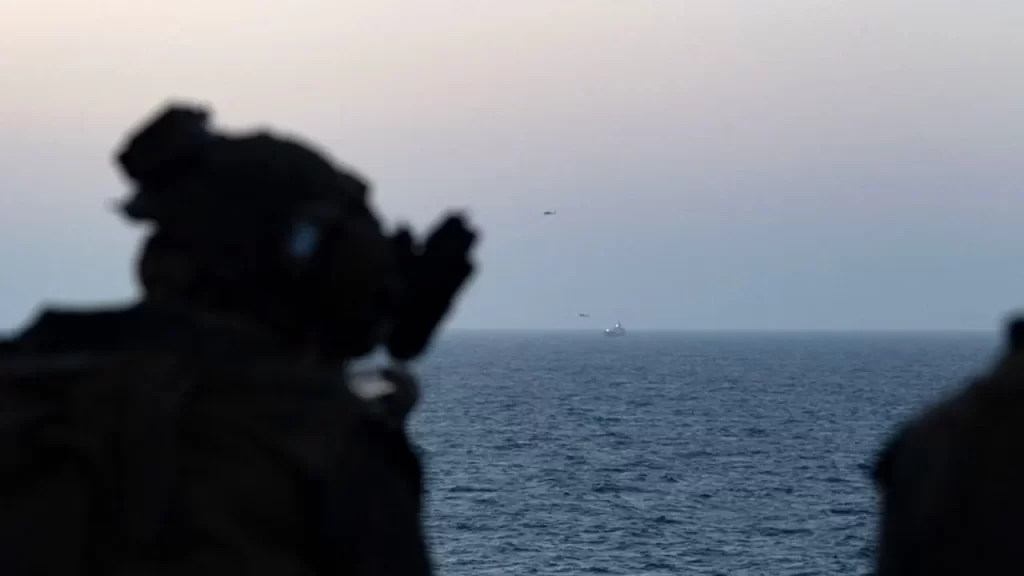

US Military Conducts ‘Self-Defense Strikes’ in Iran: A Breakdown
Introduction: Understanding the Context
Recent developments have seen the U.S. military carrying out what it characterizes as ‘self-defense strikes’ in Iran. This action has not only escalated tensions in the region but has also sparked both domestic and international reactions. Understanding the rationale behind these operations, alongside the broader geopolitical landscape, is critical in comprehending the ongoing situation.
What are ‘Self-Defense Strikes’?
The term ‘self-defense strikes’ typically refers to military actions taken in anticipation of or response to a direct threat. According to the U.S. government, these strikes aim to protect American personnel, interests, and allies abroad. In this case, the U.S. military claims the operations were a necessary response to recent provocations, possibly involving drone attacks or attacks against military bases housing U.S. troops.
Background: Rising Tensions with Iran
Historical Context
The relationship between the U.S. and Iran has been fraught with tension for decades. From the 1979 Iranian Revolution to ongoing disputes over nuclear capabilities and military engagements in the Middle East, the animosity remains strong. In recent years, incidents involving Iranian-backed militias and attacks targeting U.S. positions have contributed to spiraling hostilities.
Recent Incidents Leading to Strikes
In the weeks leading up to the strikes, reports indicated an increase in aggressive actions from Iranian proxies, including missile and drone strikes against American installations and allies in Iraq and other regional countries. These developments have prompted U.S. officials to declare that proactive measures are necessary to safeguard American lives and interests.
The Details of the Strikes
Operational Specifics
In the strikes currently in discussion, U.S. forces reportedly targeted specific military installations linked to Iranian militia groups. These military operations were carried out with precision to minimize collateral damage and civilian casualties. The Pentagon issued statements emphasizing the defensive nature of these actions.
Strategic Goals
The underlying objective of these strikes appears to be a deterrent against further aggression from Iranian forces. By demonstrating military capability and willingness to respond, the U.S. aims to signal to both Iran and its regional proxy forces that hostile actions will not be tolerated.
The Political Fallout: Domestic and International Reactions
U.S. Domestic Opinion
Reactions within the United States have been polarized. Supporters of the strikes argue they are vital for national security, while opponents warn against escalation leading to full-scale conflict. Legislative bodies are currently debating whether to authorize ongoing military action in the region.
International Reaction
Internationally, the strikes have evoked mixed reactions. Allies such as Israel applaud the U.S. commitment to counter Iranian influence, while adversaries criticize the actions as unilateral aggression that could destabilize the region even further. For instance, Russia and China have condemned the strikes, labeling them as violations of international law.
Legal Considerations: Are the Strikes Justified?
International Law
Under international law, military actions can be justified in self-defense scenarios, as outlined in Article 51 of the United Nations Charter. However, the interpretation of what constitutes self-defense in a military context is often debated, particularly when preemptive strikes are involved.
Congressional Oversight
Additionally, the U.S. Constitution requires congressional approval for military actions. The ongoing debate surrounding the extent of executive power in decisions related to military interventions has resurfaced following these strikes.
The Broader Implications for U.S.-Iran Relations
Future Military Engagements
The U.S. military strikes in Iran signify a potential shift in military engagement policies. With rising tensions, the likelihood of further military confrontations becomes pronounced. This could compel the U.S. to reconsider its diplomatic approach towards Iran, possibly leading to either increased sanctions or revised nuclear negotiations.
Regional Stability Concerns
The Middle East, already a complex geopolitical landscape, could see further instability as a result of these actions. Neighboring countries may feel compelled to respond or bolster their own military capabilities, leading to an arms race in an already volatile region.
Conclusion: Moving Forward
The recent U.S. military actions in Iran underscore the complexity of modern warfare, especially in a region steeped in historical tensions. While the U.S. government maintains that these strikes were essential for self-defense, the implications extend far beyond the immediate tactical responses. Only time will tell how these events will shape the future of U.S.-Iran relations, regional stability, and international law enforcement actions.
Call to Action
For those interested in understanding the unfolding dynamics between Iran and the United States, staying informed through credible news sources, expert analyses, and international relations forums is essential. Engaging in constructive dialogue and encouraging peaceful solutions will be vital as we navigate these challenging geopolitical waters.
Keywords:
- US Military
- Self-Defense Strikes
- Iran Relations
- Middle East Tensions
- Military Engagement
- Congressional Oversight
- International Law
- Geopolitical Landscape
By crafting content around these key aspects, we can ensure that this crucial topic resonates effectively and reaches the intended audience while optimizing for search engine visibility.