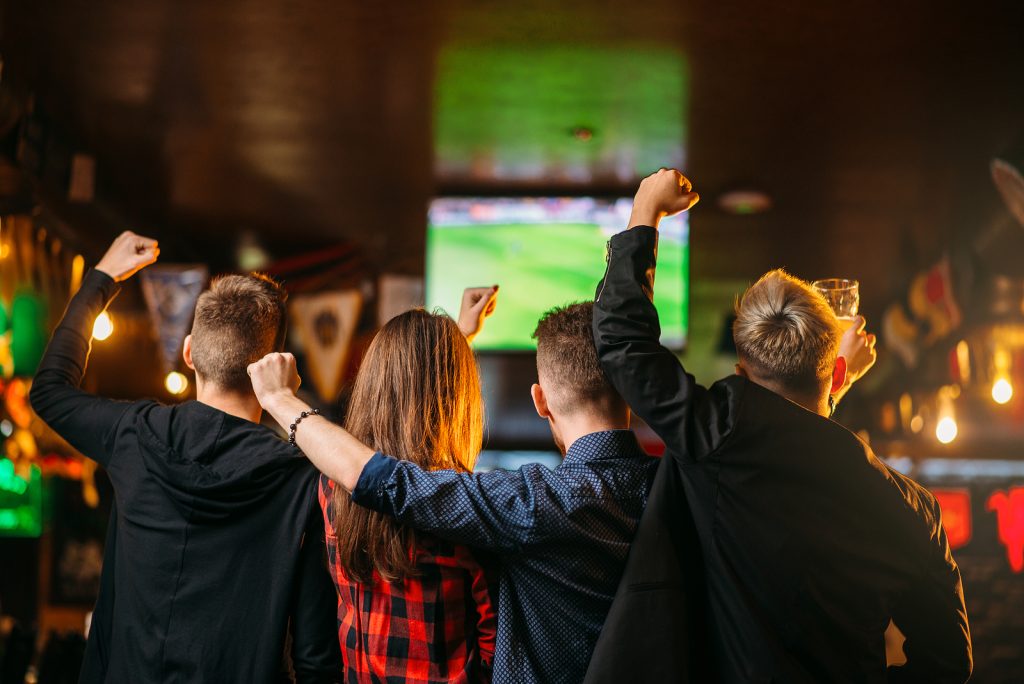

The evolution of sports bars has taken an intriguing turn with the introduction of second screens at nearly every table. Traditionally, sports bars were lively venues filled with camaraderie, cold beers, and the electrifying atmosphere of live sporting events. But as technology progressed, the advent of personal devices and the integration of screens into the dining experience began to reshape how fans engage with their favorite sports.
The significant shift occurred when sports bars began installing second screens on tables, often in the form of tablets or touch-screen menus. This innovation allowed patrons to immerse themselves further into the game, providing them with real-time statistics, live scores, and play-by-play updates that weren’t always visible on the larger television screens. Fans could watch multiple games simultaneously, engaging with various sports and teams while enjoying food and drinks with friends. This multi-screen experience enhanced the appeal of sports bars, transforming them into interactive entertainment venues.
Another notable change is how second screens foster more personalized experiences. Diners can customize their viewing choices, select specific games, or track their fantasy teams without diverting their attention from the main event. This ability to curate their experience keeps patrons engaged, often resulting in longer stays and increased spending. The combination of sports viewing with interactive options has attracted a broader audience, appealing not just to die-hard fans but also casual viewers looking for a lively atmosphere.
Moreover, the social aspect of sports bars has been amplified. Patrons can share updates on social media directly from their tables, engage in discussions about plays, and even challenge friends in fantasy sports right from the screen. The fusion of technology and traditional sports viewing habits has sparked new conversations and interactions among guests, enriching the social fabric of these spaces.
However, while the introduction of second screens has enhanced the overall experience, it has also prompted debates about the essence of sports bar culture. Some argue that the focus on personal screens detracts from the collective experience of watching games together. There is a delicate balance to maintain—a community atmosphere versus individual engagement.
In conclusion, the incorporation of second screens into sports bars represents a significant shift in how fans consume sports. By merging technology with the traditional bar experience, these venues have catered to changing consumer behaviors and preferences. The result is a vibrant and dynamic social environment, where the love for sports is celebrated not just by watching but by engaging in a multifaceted experience that enhances camaraderie and excitement.
For more details and the full reference, visit the source link below: