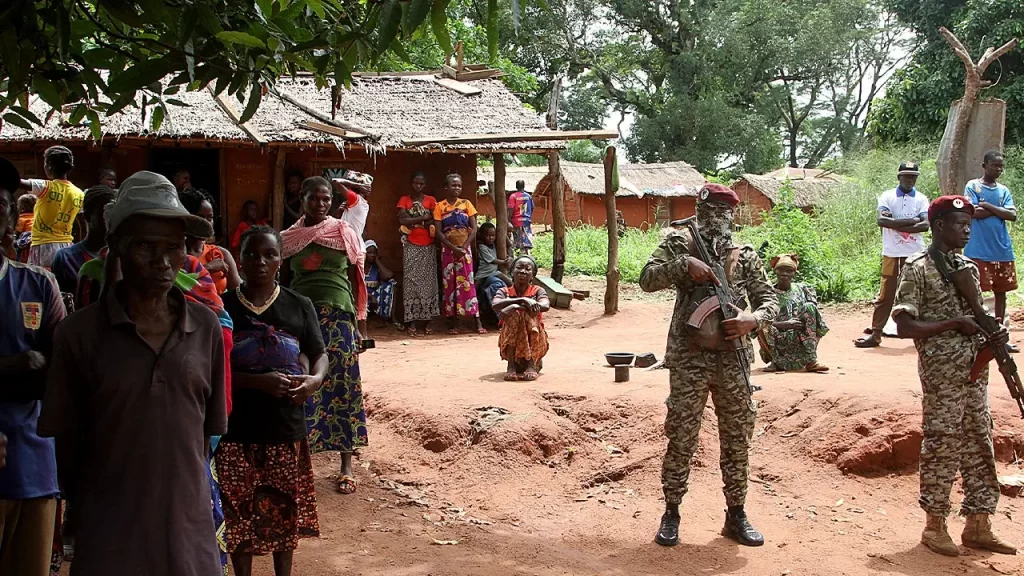

Trump Administration’s Decision to Deport Iranian Asylum-Seekers to Central Africa
Introduction
In a controversial decision, the Trump administration announced plans to deport Iranian asylum-seekers to Central Africa. This decision has raised concerns among human rights advocates, legal experts, and the global community. The ramifications of such actions not only affect the lives of the individuals involved but also highlight the broader implications of immigration and asylum policies in the United States.
Background on Iranian Asylum-Seekers
Who Are Iranian Asylum-Seekers?
Iranian asylum-seekers are individuals fleeing persecution, violence, and human rights violations in Iran. Many are dissidents, ethnic minorities, or members of religious groups facing systemic oppression. These individuals often seek refuge in Western countries, including the United States, hoping for safety and the opportunity to rebuild their lives.
The Asylum-Seeking Process in the U.S.
The process for seeking asylum in the U.S. is fraught with challenges. Applicants must demonstrate a well-founded fear of persecution based on race, religion, nationality, political opinion, or membership in a particular social group. With increasing scrutiny of asylum claims and a backlog in the immigration system, many Iranian asylum-seekers face lengthy waits and an uncertain future.
Trump Administration’s Immigration Policies
Overview of Trump’s Immigration Agenda
The Trump administration is known for its stringent immigration policies aimed at reducing the number of immigrants and asylum-seekers entering the country. This includes measures such as the travel ban on certain Muslim-majority countries and strict limitations on asylum claims. The administration’s policies have often been framed as measures to ensure national security and protect American jobs.
The Decision to Deport to Central Africa
In a surprising turn, the Trump administration announced plans to deport Iranian asylum-seekers to Central Africa. Officials justified this decision by arguing that it would help to manage the growing number of asylum claims while deterring others from making similar claims. Critics, however, argue that this action undermines established international human rights norms and violates the principle of non-refoulement—the obligation not to return individuals to countries where they face persecution.
Implications of Deportation to Central Africa
Human Rights Concerns
Deporting Iranian asylum-seekers to Central Africa raises severe human rights concerns. Many countries in Central Africa are grappling with their own issues, including political instability, violence, and severe humanitarian crises. The safety and wellbeing of deported individuals could be at significant risk, leading to further persecution or violence.
Legal Ramifications
The decision to deport individuals to regions that might expose them to harm could have serious legal implications for the U.S. Government. Legal experts argue that it violates both domestic and international law, potentially leading to lawsuits and further complications in the immigration system.
Psychosocial Impact
The psychological toll on individuals facing deportation cannot be understated. Many Iranian asylum-seekers have already suffered trauma in their home country and during their journey to seek asylum. The prospect of being sent to an unsafe environment could exacerbate mental health issues, leading to anxiety, depression, and other psychosocial difficulties.
Reactions from the Global Community
Responses from Human Rights Organizations
Human rights organizations have fiercely criticized the Trump administration’s decision. Groups like Amnesty International and Human Rights Watch argue that deporting asylum-seekers to Central Africa constitutes a violation of their rights and is contrary to international norms. These organizations are calling for the U.S. to reconsider its policies and adhere to its commitments under international law.
Public Outcry
Public response has also been strong, with protests and campaigns advocating for the rights of Iranian asylum-seekers and condemning the administration’s actions. Activists have mobilized to raise awareness of the issue, highlighting the need for compassion and a reevaluation of immigration policies.
Political Repercussions
This controversial decision has sparked a backlash on both sides of the political spectrum. While some conservative factions support stricter immigration policies, moderate Republicans and Democrats are calling for a more humane approach to asylum-seekers. The ongoing debate could influence election campaigns and the future of immigration reform.
Conclusion
The Trump administration’s decision to deport Iranian asylum-seekers to Central Africa is a reflection of broader immigration policies that prioritize deterrence over human rights. With significant implications for individuals, legal systems, and international relations, this decision demands careful scrutiny and a human-centered approach to immigration. As policies evolve, the international community must advocate for the rights and safety of those fleeing persecution and violence, ensuring that the principles of compassion and human dignity remain at the forefront of global immigration dialogue.
By approaching this sensitive topic with a balanced perspective and ensuring that it is SEO-optimized, we not only inform the audience but also invite further discussion about the complexities involved in asylum policies and human rights.