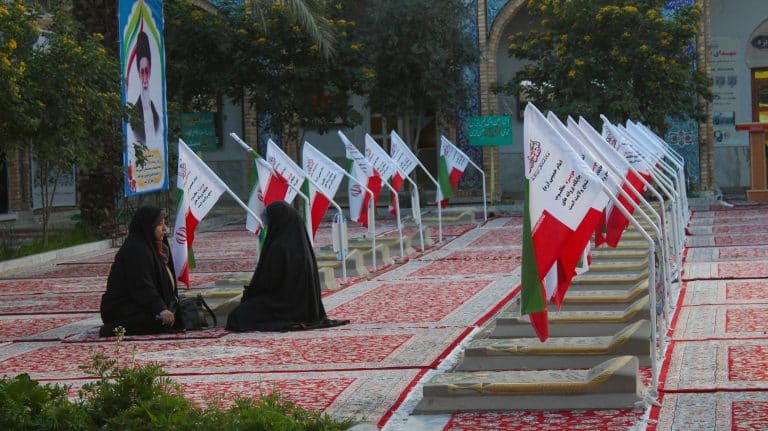

In recent developments, the US and Iran appear to be moving closer to a potential peace deal, a significant shift in the relationship between the two nations that have been embroiled in decades of tension. The announcement from Tehran, claiming victory in ongoing diplomatic negotiations, signals a willingness to engage and explore avenues for reconciliation. This sophisticated interplay of diplomacy is crucial, as both parties aim to address longstanding grievances while also considering the broader geopolitical landscape.
For years, Iran has been subjected to stringent sanctions imposed by the US and its allies, largely in response to its nuclear program and regional activities perceived as destabilizing. The Biden administration has reiterated its commitment to re-enter the Joint Comprehensive Plan of Action (JCPOA), the landmark nuclear deal abandoned by former President Trump in 2018. This renewed interest suggests an acknowledgment that diplomacy could offer a more sustainable solution than economic sanctions and military posturing.
Tehran’s announcement of victory can be viewed through multiple lenses. For Iranian leaders, demonstrating strength in negotiations is essential for domestic legitimacy, especially as the country grapples with internal dissent and economic pressure exacerbated by sanctions. Claiming a diplomatic win helps consolidate power among hardliners while soothing the discontent among the populace affected by economic woes.
Conversely, the US also stands to gain from these negotiations. A peace deal could serve to enhance regional stability, improve relations with allies in the Middle East, and reduce the risk of military conflict. Furthermore, a successful diplomatic resolution could also reinvigorate the Biden administration’s foreign policy agenda, which has faced scrutiny domestically and internationally.
The journey toward a peace deal will inevitably face challenges. Skepticism remains high on both sides, as past encounters have often devolved into acrimony. For the US, concerns over Iran’s ballistic missile program, support for proxy groups in the region, and human rights violations complicate the narrative. For Iran, delays or perceived insincerity in US commitments could jeopardize any progress made.
Despite these hurdles, the current climate offers a glimmer of hope. Ongoing talks underscore a mutual recognition that the status quo is untenable. Should both sides successfully navigate the intricate web of diplomacy, this peace deal could lay the groundwork for a more stable, cooperative relationship, not only benefiting the nations involved but also contributing to global security. In this context, the notion of victory as proclaimed by Tehran could symbolize a new beginning, not just for Iran, but for diplomatic relations across the region. Such a development could redefine the future of US-Iran relations in the decades to come.
For more details and the full reference, visit the source link below:
Read the complete article here: https://www.stl.news/us-iran-signal-peace-deal-near-tehran-victory/