
14 Charged in Cocaine Trafficking Ring Near DC Elementary School
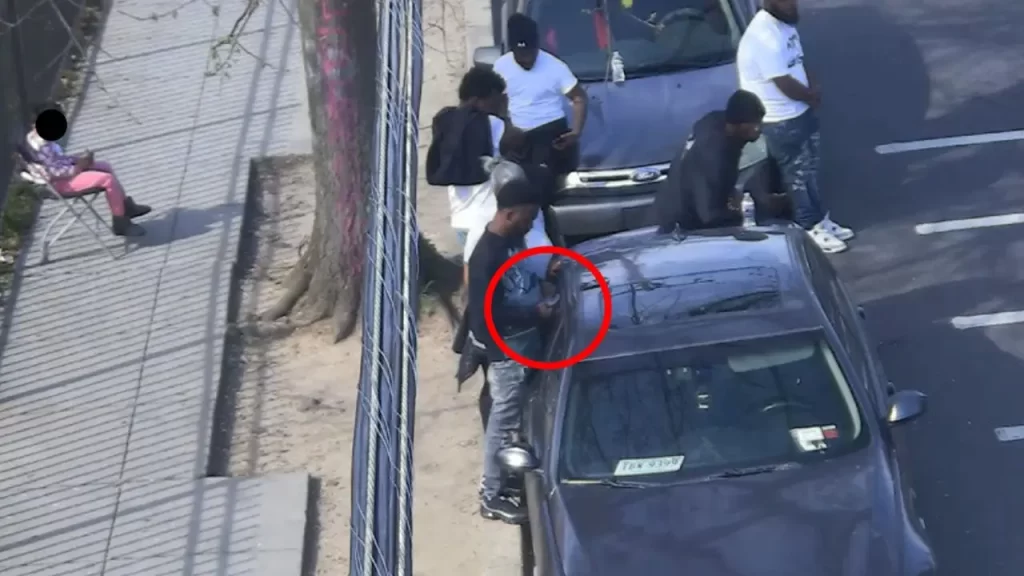
In a significant law enforcement operation, 14 individuals were charged in connection with a cocaine trafficking ring operating near an elementary school in Washington, DC. This alarming development shines a light on the ongoing issues of drug trafficking and its impact on the community, particularly in and around educational institutions.
The Scope of the Operation
Authorities uncovered a complex network that not only distributed cocaine but also facilitated its movement throughout various neighborhoods. Conducting extensive surveillance operations and gathering intelligence, law enforcement was able to piece together a timeline of the trafficking activities. Investigators revealed that the ring was utilizing various methods to evade detection, such as using minors to deliver drugs and operating near school zones.
Key Arrests
The coordinated crackdown led to the arrest of 14 individuals, with several being prominent figures in the local drug trade. Law enforcement officials noted that the arrests were the culmination of an 18-month investigation. The charges range from possession with intent to distribute cocaine to conspiracy to traffic drugs.
Among those arrested were individuals with prior convictions, suggesting a pattern of criminal behavior that contributes to the cycle of drug trafficking in the area. These arrests not only reflect the commitment of law enforcement to tackle drug issues but also serve as a warning to other potential offenders.
Cocaine Trafficking and Its Impact on Communities
Cocaine trafficking is not just a law enforcement problem; it has devastating effects on communities, especially near schools. The presence of drugs increases violence, contributes to addiction, and ultimately endangers the lives of children. The close proximity of this trafficking ring to an elementary school raises critical concerns about the safety of students and the moral responsibilities of the community.
The Dangers of Proximity to Schools
When drug trafficking occurs near schools, it creates an unsafe environment for children. Young students are often unwittingly exposed to drug-related activities and may become vulnerable to peer pressure and temptation.
School officials and parents in the area expressed relief following the arrests but are also aware of the underlying issues that need to be addressed to ensure long-term safety. Community outreach programs and educational initiatives regarding the dangers of drug use are crucial steps in combatting these risks.
Law Enforcement’s Response
Law enforcement officials emphasized the importance of community involvement in tackling drug-related issues. They encouraged residents to come forward with any information regarding suspicious activities. Programs such as “See Something, Say Something” promote community vigilance and engagement.
Furthermore, the multi-agency collaborative efforts between local police, federal agents, and community organizations highlight a comprehensive approach to tackling drug trafficking. This varied strategic alignment is essential for effectively disrupting local drug markets.
Preparing for Future Challenges
As authorities deal with the aftermath of this operation, it is important to recognize that drug trafficking is an ongoing challenge. While the crackdown on this particular ring is a step in the right direction, the fight against drug trafficking requires sustained efforts.
Long-term Strategies
To ensure lasting effects, community members and organizations must work in tandem with police departments. Education and preventive measures focused on youth can bring about a reduction in drug exposure. Schools can implement drug awareness and prevention programs, while local organizations can provide support for addiction recovery.
Moreover, local government agencies can play an active role in creating policies that target the root causes of drug trafficking. Investment in community development and support services will also strengthen neighborhoods and create environments where drug trafficking is less likely to thrive.
The Role of Education
Educational institutions have a pivotal role in preventing drug abuse among students. Schools can provide resources, counseling services, and workshops that educate children about the risks associated with drug use. Incorporating drug education into the curriculum encourages early awareness and can lead to healthier choices.
Empowering Parents
Parents also have a crucial role in combating drug trafficking. By fostering open communication with their children, they can discuss the dangers of drugs and peer pressure. Education on recognizing warning signs and symptoms can empower parents to take effective preventive measures.
Conclusion: A Call to Action
The recent arrests linked to cocaine trafficking near a DC elementary school are a reminder of the importance of vigilance and community collaboration in the fight against drugs. Although law enforcement successfully dismantled a dangerous network, sustained efforts are crucial for addressing the root causes of drug trafficking and ensuring that schools remain safe environments for children to learn and grow.
Keywords for SEO
- Cocaine Trafficking
- Drug Trafficking Near Schools
- Washington DC Elementary School
- Law Enforcement
- Community Engagement
- Drug Abuse Prevention
- Drug Awareness Education
- Substance Abuse
- Public Safety
- Drug Trafficking Arrests
By focusing on these keywords and subtopics, this article aims to reach a broader audience concerned about drug trafficking and its implications for community safety, especially around educational institutions. Through comprehensive discussion and strategic action, communities can strive for a future that is free from the scourge of drug trafficking.