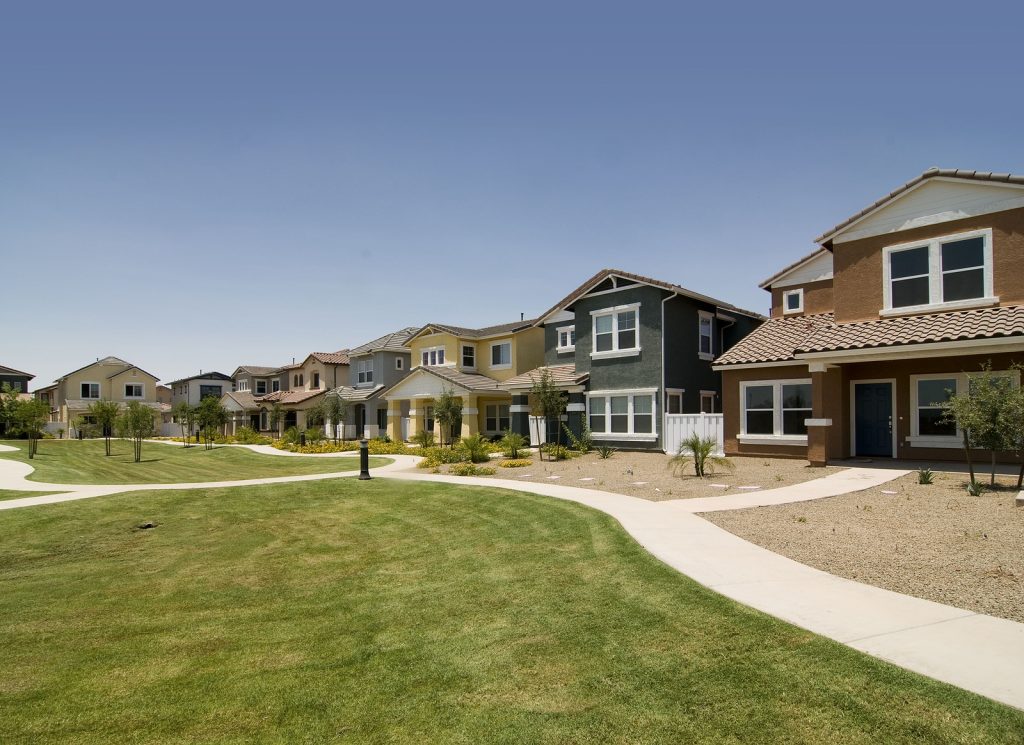

Homeowners Associations (HOAs) play a pivotal role in fostering community standards, ensuring financial responsibility, and managing day-to-day operations in residential neighborhoods. These organizations, typically established in planned communities, serve to protect property values and enhance the quality of life through established guidelines and collective governance.
One of the primary purposes of an HOA is to maintain aesthetic and functional standards within a community. This often includes regulating architectural styles, landscaping, and common area maintenance. By enforcing these standards, HOAs aim to create a cohesive community that appeals to homeowners and potential buyers alike. Properties that look well-kept and organized can sustain higher market values, benefiting all residents. However, the challenge arises in finding a balance between enforcing standards and respecting individual homeowner autonomy. Excessive regulation can lead to discontent, while lax enforcement may diminish the community’s overall appeal.
Financial responsibility is another critical aspect of HOA management. These organizations typically collect dues from homeowners to fund community services, maintenance, and amenities. Responsible financial management is crucial; mismanagement can lead to increased fees or special assessments, which can strain homeowner budgets and lead to disputes within the community. A robust financial plan that includes budgeting for future maintenance and a reserve fund for emergency repairs can help mitigate these risks. However, navigating the financial landscape requires transparency and accountability from board members, which is essential for maintaining homeowner trust.
Professional management can provide a solution to many of the complexities inherent in HOA governance. Independent professional management firms offer expertise in both community standards and financial management. These organizations can implement best practices, ensuring that bylaws are followed and financial obligations are met. By outsourcing management, HOAs can alleviate the burdens on volunteer board members, allowing them to focus on community-building initiatives rather than administrative tasks.
Moreover, professional managers bring experience and objectivity, which can be invaluable in mediating disputes between homeowners and promoting fair enforcement of community guidelines. This impartiality can foster a sense of trust and cooperation, which is essential in maintaining a harmonious living environment.
In conclusion, while HOAs are integral in maintaining community standards and financial health, challenges persist. Achieving a balanced approach is crucial for fostering a thriving community, and engaging professional management stands out as a compelling solution. By leveraging the expertise of professionals, HOAs can enhance operational efficiency, uphold community standards, and create a more satisfying living experience for all homeowners. This strategic partnership can ultimately lead to thriving communities where residents feel valued and engaged.
For more details and the full reference, visit the source link below:
Read the complete article here: https://www.stl.news/homeowners-associations-balancing-community/