
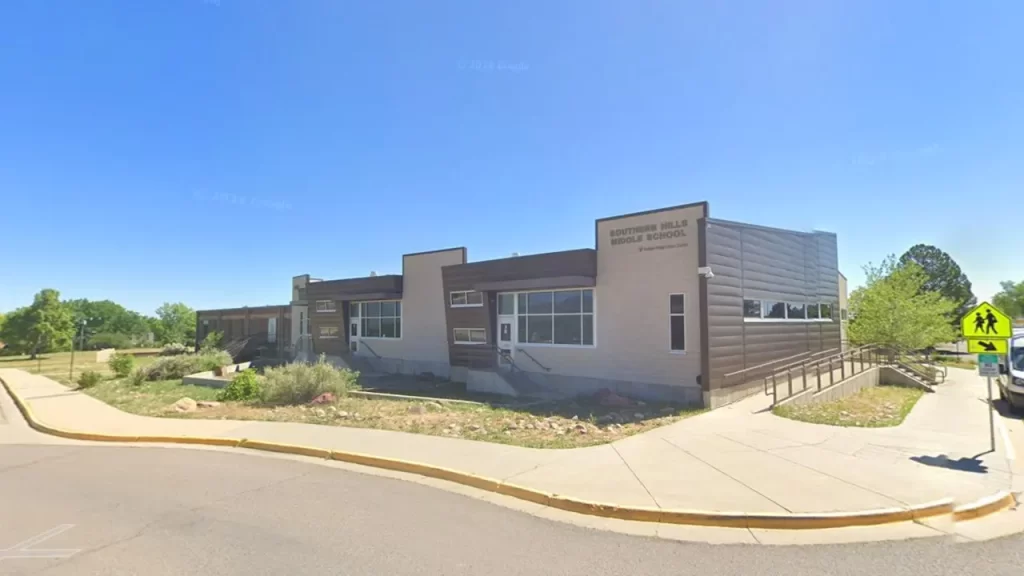

ADL Files Complaint Alleging Colorado School Ignored Antisemitic Attacks
The recent complaint filed by the Anti-Defamation League (ADL) has brought to light significant concerns regarding how a Colorado school district has handled incidents of antisemitism. This situation raises critical questions about the responsibility educational institutions have in addressing and preventing hate crimes and discrimination.
Understanding the Complaint
The ADL’s complaint stems from a series of antisemitic incidents reported by students at the school in question. The ADL alleges that the school failed to adequately respond to these reports, ultimately fostering an environment where such behavior was tolerated. This draws attention to the broader issue of how educational institutions respond to hate crimes and whether they are properly equipped to tackle these sensitive issues.
Background of Antisemitism in Schools
Antisemitism has been a persistent issue in various communities, particularly in educational settings. According to the ADL, incidents of antisemitism have seen a surge across the United States, making it imperative for schools to adopt proactive measures to combat hate. The ADL’s effort to hold the Colorado school accountable emphasizes the urgent need for educational institutions to foster inclusive and safe environments.
The Role of the Anti-Defamation League
The Anti-Defamation League is a leading organization in fighting antisemitism and various forms of hate. Founded in 1913, the ADL’s mission is to secure justice and fair treatment for all. Their complaint against the Colorado school serves as a crucial reminder of the role that advocacy groups play in addressing systemic issues and ensuring that the rights of marginalized communities are protected.
Investigation of the Incident
The allegations in the ADL’s complaint include specific instances of harassment and discrimination that students faced, which were reportedly dismissed or inadequately addressed by school officials. Such negligence can lead to an atmosphere of fear and uncertainty for affected students and their families. The report emphasizes the need for thorough investigations into these allegations to ensure accountability and to prevent future incidents.
The Importance of Schools’ Response
A school’s response to incidents of antisemitism—or any form of hate—can significantly shape its educational environment. Failure to address such issues often results in a toxic atmosphere where students feel unsafe, which can hinder their academic performance and social development.
Establishing Anti-Bullying Policies
In light of this incident, it is crucial for schools to establish robust anti-bullying policies that specifically address hate crimes, including antisemitism. These policies should be clearly communicated to students, staff, and parents, ensuring that everyone understands the consequences of hateful actions.
Moreover, schools should provide training for teachers and administrators on how to identify and address antisemitism and other forms of hate. Such training can empower school officials to take swift and effective action when incidents occur.
The Need for Education on Antisemitism
Education plays a pivotal role in combating antisemitism and fostering a culture of understanding and respect. Schools should implement programs that educate students about the history of antisemitism, its impact on individuals and communities, and the importance of standing up against hate. This proactive approach can help cultivate empathy and awareness among students, ultimately reducing the likelihood of future incidents.
Involving Parents and the Community
Engaging parents and the broader community is essential to creating a safe school environment. Schools can hold community forums to discuss the issue of antisemitism and gather input on how to promote inclusivity. By involving parents, community leaders, and local organizations, schools can foster a collaborative approach to tackling hate and discrimination.
Support Systems for Affected Students
When antisemitic incidents occur, it is vital for schools to provide support systems for those affected. This can include counseling services, peer support groups, and educational resources about their rights. Establishing a safe space for students to report incidents without fear of retaliation is crucial for rebuilding trust in the school system.
Reporting Mechanisms
Schools should implement clear and accessible reporting mechanisms for students to report incidents of antisemitism. This may include anonymous reporting options, direct lines to school counselors, or partnerships with organizations like the ADL to facilitate reporting and intervention.
Legal Implications
Failure to address antisemitic incidents can have significant legal repercussions for school districts. Schools are required to comply with federal laws, such as Title VI of the Civil Rights Act, which prohibits discrimination on the basis of race, color, or national origin. If the allegations in the ADL’s complaint are substantiated, the school district may face legal consequences, prompting a reevaluation of their policies and procedures for handling hate crimes.
The Role of Law Enforcement
In cases where antisemitic incidents escalate to threats of violence or hate crimes, it is crucial for schools to involve law enforcement. Collaboration with local law enforcement can help ensure the safety of students and address any criminal behavior effectively. Schools must be aware of when to alert authorities and how to develop emergency response plans in coordination with law enforcement.
Looking Ahead: Combating Antisemitism in Education
As the complaint from the ADL underscores, tackling antisemitism in schools requires a multifaceted approach that includes awareness, education, and accountability. Educational institutions must be proactive in addressing hate and fostering environments of acceptance.
Building an Inclusive Future
An inclusive educational environment benefits not only marginalized students but the entire school community. Teaching students the value of diversity and acceptance will help build a culture that stands firmly against all forms of hate. Schools can be at the forefront of social change by demonstrating a commitment to equality, respect, and empowerment.
Conclusion
The ADL’s complaint against the Colorado school is a call to action for educational institutions across the nation. By recognizing the seriousness of antisemitism and taking decisive steps to address it, schools can play a pivotal role in creating a more inclusive society. The responsibility lies not just with the institutions, but with the entire community to ensure the safety and dignity of every student. In doing so, we pave the way toward a future free from hate.


