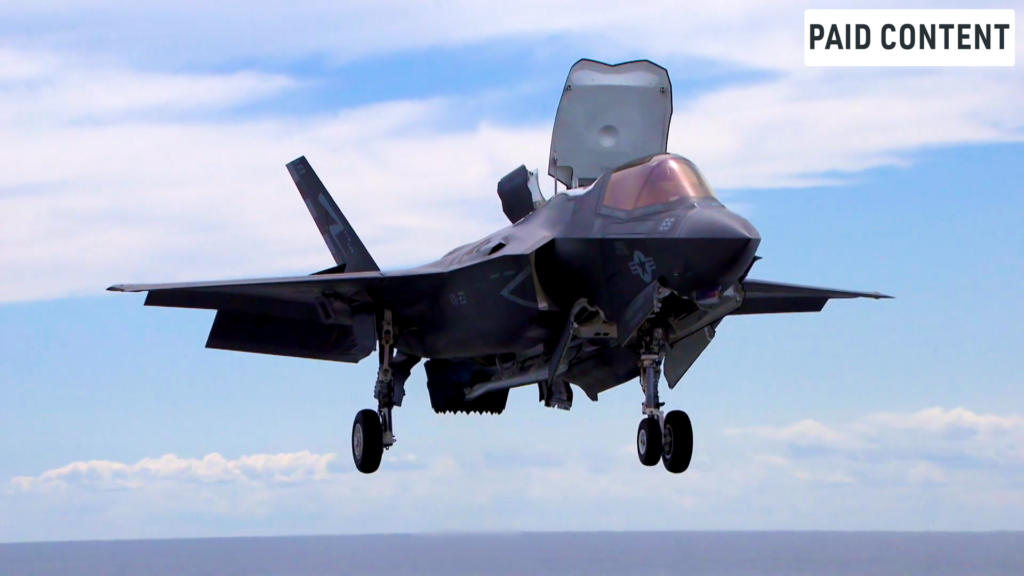

Autonomy Built Around the Warfighter: Revolutionizing Modern Warfare
Introduction
In today’s rapidly evolving defense landscape, the need for autonomous systems is more pressing than ever. These systems are designed with the warfighter in mind, providing unmatched support to enhance operational efficiency and effectiveness. By focusing on autonomy built around the warfighter, military operations can become more adaptive, responsive, and ultimately successful. This article explores how autonomy is reshaping modern warfare and its implications for the future.
Understanding Autonomy in Military Operations
What is Military Autonomy?
Military autonomy refers to the use of systems—such as drones, ground robots, and advanced algorithms—that can operate with varying degrees of independence from human operators. These systems are designed to assist, augment, or even replace human decision-making in several operational scenarios. The primary goal is to enhance situational awareness, reduce cognitive load on personnel, and improve the overall efficacy of military missions.
The Importance of Human-Centered Design
When developing autonomous systems, a human-centered design approach is crucial. This philosophy revolves around creating systems that prioritize the needs, abilities, and preferences of the warfighter. By embedding human factors into the design of autonomous technologies, military organizations can ensure that users can easily operate and trust these systems, leading to a more successful integration into active-duty roles.
The Benefits of Autonomy for the Warfighter
Enhanced Situational Awareness
One of the most significant advantages of autonomy is its ability to provide real-time situational awareness. Autonomous systems can process vast amounts of data from various sensors and platforms, offering warfighters insights that were previously unattainable. This enhanced situational awareness is essential for battlefield decision-making in chaotic environments.
Increased Operational Efficiency
By allowing autonomous systems to handle mundane or high-risk tasks, military personnel can focus on more strategic elements of combat. This division of labor not only increases overall efficiency but also mitigates the risk to human lives. For instance, drones can be deployed for reconnaissance missions, while ground troops can concentrate on direct engagement.
Risk Reduction
The use of autonomous systems can significantly reduce risks to human personnel. For example, robotic systems can be used to defuse explosives or conduct searches in unexplored areas, keeping warfighters out of harm’s way. This capability is particularly valuable in high-stakes situations where every decision can have life-or-death consequences.
Challenges in Implementing Autonomous Systems
Ethical and Legal Considerations
While the benefits of military autonomy are vast, the ethical and legal implications create a complex landscape. Questions arise regarding accountability, particularly when autonomous systems make life-and-death decisions. Developing clear guidelines and legal frameworks is crucial as military organizations embrace these new technologies.
Technology Limitations
Current technology still poses limitations in terms of reliability, control, and adaptability. While many autonomous systems operate effectively in controlled environments, the unpredictability of the battlefield presents challenges. Continuous testing and improvement are necessary to enhance the robustness of these systems in real-world conditions.
Integration with Existing Systems
Integrating new autonomous systems into existing military frameworks can be a daunting task. Warfighters trained in traditional methods must adapt to including new technologies in their operations. This transition requires comprehensive training programs and a commitment to cultivating a culture of change within military organizations.
Case Studies: Successful Implementations
Marine Corps Unmanned Aerial Vehicles (UAVs)
The U.S. Marine Corps has effectively utilized UAVs to enhance reconnaissance capabilities. Drones equipped with advanced sensors can gather intelligence in real time, allowing commanders to make informed decisions. This application of autonomy exemplifies the increased operational efficiency that modern warfare demands.
Ground Robotics in Logistics
Autonomous ground vehicles are revolutionizing logistical operations. For example, military bases have begun employing robots to transport supplies, reducing the strain on personnel and ensuring timely delivery of critical resources. This innovation is particularly vital in extended operations where maintaining supply lines becomes a complex endeavor.
Future Outlook: The Role of Artificial Intelligence
AI and Machine Learning Integration
The future of autonomy in military operations will heavily rely on advancements in artificial intelligence (AI) and machine learning. These technologies can enable autonomous systems to learn from experiences, adapting to new scenarios and improving their effectiveness over time. The incorporation of AI will further enhance decision-making processes, allowing for more effective and timely responses to evolving battlefield dynamics.
Collaboration Between Humans and Machines
The warfighter of the future will likely work in tandem with intelligent autonomous systems, creating a hybrid operational environment. This collaboration can facilitate a more seamless integration of human intuition and machine precision, resulting in a more formidable force on the battlefield.
Increased Transparency and Accountability
As military organizations advance in the adoption of autonomous systems, transparency and accountability will be priorities. Clear protocols and guidelines will be necessary to ensure that autonomous systems operate within ethical boundaries and under strict regulations. Maintaining public trust will be essential as the military moves toward greater reliance on autonomy.
Conclusion
As we move into an era of warfare characterized by rapid technological advancements, the importance of developing autonomy built around the warfighter cannot be overstated. This approach not only enhances operational capabilities but also mitigates risks and improves decision-making processes. By prioritizing human-centered designs and addressing the challenges inherent to autonomous systems, military organizations can effectively harness the power of autonomy to transform operations on the battlefield, ensuring a safer and more successful future for their forces.
Keywords for SEO Optimization
- Autonomy Built Around the Warfighter
- Military Autonomous Systems
- Human-Centered Design in Defense
- Benefits of Warfighter Autonomy
- Ethical Implications of Military Autonomy
- Advanced UAVs in Military Operations
- Future of Autonomous Technology in Defense
- AI and Machine Learning in Warfare
By focusing on these keywords and topics within your content, you can further enhance SEO performance and visibility.