
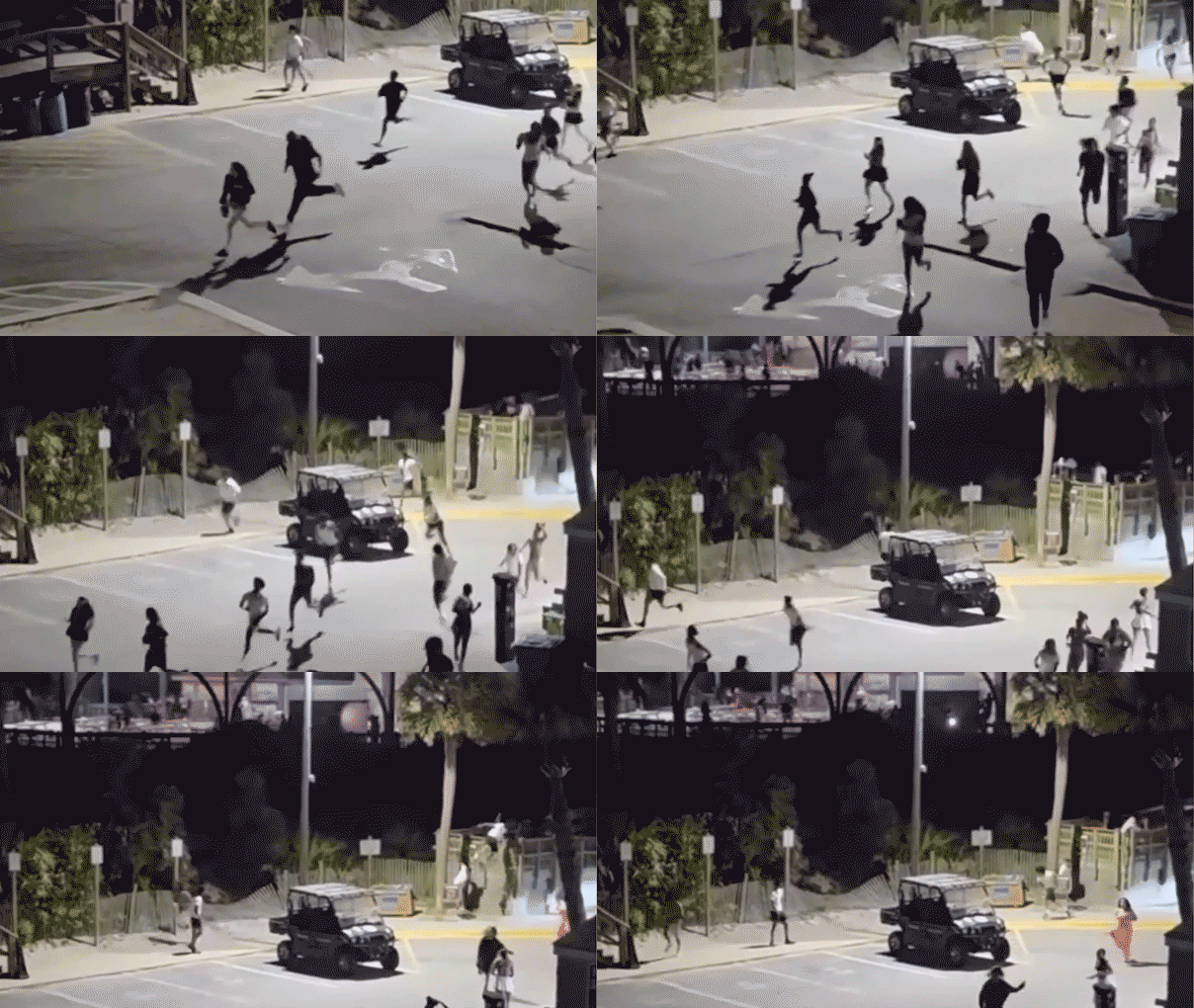

Teen Takeovers Spark Police Drones and Curfews for Fourth of July
As the Fourth of July approaches, a wave of concern arises over teen takeovers in major cities across the United States. With these events becoming increasingly prevalent, local authorities are struggling to maintain public safety, resulting in the deployment of police drones and curfews. This article explores the phenomenon of teen takeovers, the implications for law enforcement, and the measures being implemented to ensure a safe holiday celebration.
Understanding Teen Takeovers
Teen takeovers refer to unsanctioned gatherings where large groups of youths converge in public spaces, often leading to chaotic situations. These events typically occur in urban areas and can include activities such as impromptu street parties, car rallies, and even vandalism. While some might argue that these gatherings are simply a form of teenage expression, they often escalate into dangerous situations that require police intervention.
The Rising Popularity of Teen Takeovers
Social media platforms like TikTok, Instagram, and Facebook have made it easier for teens to organize and promote these events. A viral post can lead to thousands of attendees showing up in a matter of hours, overwhelming local law enforcement. The sheer number of participants often results in traffic disruptions, property damage, and, in some cases, violence.
Police Response: Drones and Curfews
In light of the disruption caused by these gatherings, many cities have implemented new strategies to deal with the influx of teen takeovers. Among these strategies are the use of police drones and curfews.
Utilizing Police Drones
The introduction of police drones has proven to be an effective measure for monitoring large gatherings. Equipped with high-definition cameras and thermal imaging, drones provide real-time surveillance, allowing law enforcement to assess situations from above. This technology enables officers to make informed decisions about resource allocation and response tactics.
- Benefits of Drone Technology: Drones provide a non-intrusive way to gather intelligence about large crowds without putting officers in harm’s way. They can monitor traffic patterns, identify potential trouble spots, and even gather evidence if needed.
Implementing Curfews
In addition to drone surveillance, several cities are enforcing curfews during Fourth of July celebrations. These curfews are aimed at deterring teenagers from congregating in large groups and help to limit the potential for chaos.
- Effectiveness of Curfews: While curfews can be an effective tool to maintain order, their enforcement faces challenges. Many teenagers may not adhere to curfews, and enforcing them requires a significant police presence.
The Role of Community Engagement
One of the most effective strategies for curbing teen takeovers is through community engagement. Schools, local organizations, and parents play a crucial role in addressing the underlying issues that lead to these gatherings.
Creating Safe Spaces
Local authorities and community groups can work together to create safe, supervised spaces for teens to gather. These can include:
-
Organized Events: Hosting music festivals, sports tournaments, or other community events can provide a constructive outlet for teenagers to socialize without resorting to unsanctioned gatherings.
-
Mentorship Programs: Programs that involve teens in community service or mentorship can foster a sense of belonging and responsibility, discouraging them from participating in disruptive activities.
The Impact on Public Perception
The rise of teen takeovers and the corresponding actions by law enforcement can significantly affect public perception. Many community members express feelings of frustration and fear, believing that these gatherings threaten the safety and security of their neighborhoods.
Stigmatization of Teenagers
Unfortunately, these events can contribute to the stigmatization of teenagers as troublemakers. It’s crucial for communities to recognize that not all teens engage in disruptive behavior, and many desire positive and productive outlets for their energy.
The Importance of Dialogue
An open dialogue among all stakeholders can lead to better understanding and solutions. Engaging with teens directly allows law enforcement and community leaders to address their needs and concerns while sharing the significance of public safety.
Encouraging Open Communication
Schools and local organizations can implement programs to educate teens about responsible behavior and the consequences of public disturbances. Meanwhile, fostering a channel for teens to voice their opinions can help authorities better understand their experiences.
Conclusion: Striking a Balance
The Fourth of July should be a time for celebration, not chaos. As cities grapple with the implications of teen takeovers, they must strike a balance between ensuring public safety and allowing teens the freedom to gather responsibly.
Looking Ahead: Solutions for Future Celebrations
The integration of technology like drones, enforced curfews, and community engagement efforts should work in tandem. Local governments need to adapt their strategies based on community feedback while fostering a positive relationship between law enforcement and teenagers.
In conclusion, understanding the complexities of teen takeovers offers insight into the multifaceted challenges faced by communities across the United States. Through collaboration, innovative solutions, and open dialogue, cities can pave the way for safer and more enjoyable Fourth of July celebrations for all. By prioritizing the needs and voices of teenagers, communities can transform potential chaos into avenues for positive expression and connection.

