
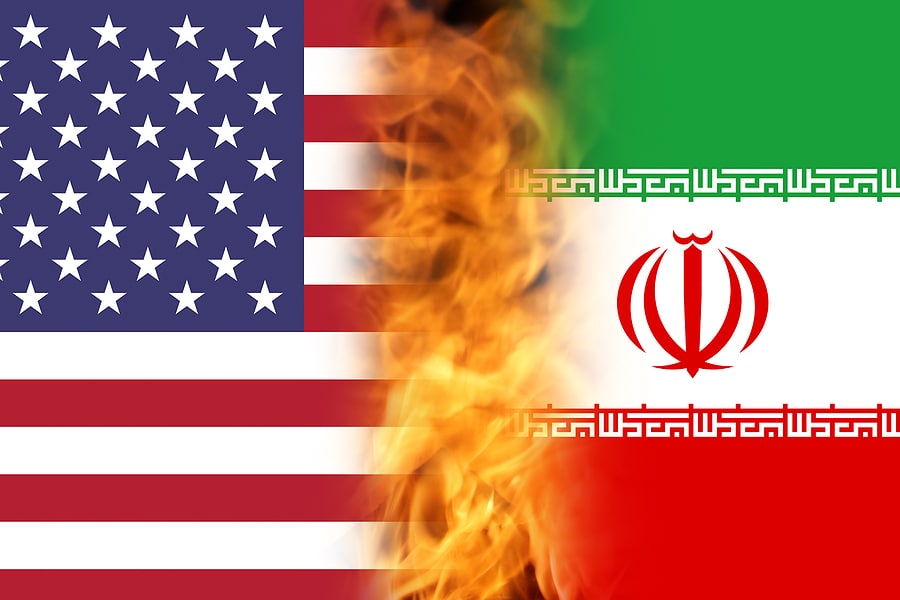

In the intricate geopolitics of the Middle East, the Strait of Hormuz has emerged as a critical chokepoint for global oil transportation, as it serves as a conduit for approximately 20% of the world’s oil supply. Recent developments in this region have escalated tensions significantly, particularly with Iran’s renewed military threats. These provocations not only exacerbate the regional instability but also jeopardize international diplomatic agreements, notably the Memorandum of Understanding (MOU) signed between the United States and Pakistan during the Trump administration—an agreement aimed at promoting security and stability in South Asia.
Iran’s military maneuvers in the Strait of Hormuz have involved demonstrating its naval capabilities and launching missile tests, which send a clear signal to surrounding nations and global powers. The Iranian government has expressed its resolve to secure its interests in the Gulf, frequently warning of potential repercussions for any perceived threats against its regional influence. Such actions are not merely posturing; they risk escalating into confrontations that could disrupt commercial shipping routes, leading to broader conflict.
The backdrop of these threats complicates the diplomatic landscape that was carefully constructed during Trump’s presidency. The Islamabad MOU was part of a broader strategy to engage Pakistan in anti-terrorism initiatives and stabilize the region through security cooperation. However, with Iran’s belligerence in the Strait, Pakistan may find itself in an untenable position, balancing its long-standing relationship with Iran against the demands of its partnership with the United States.
As tensions rise, the possibility of military encounters in the Strait could provoke a swift response from the U.S. and its allies, potentially involving military assets in the region. This prospect not only threatens energy markets worldwide but also poses the risk of unintended escalation, which could entangle Pakistan farther into a geopolitical conflict it strives to avoid. Islamabad’s commitment to the MOU may prompt it to reconsider its strategic alignments, particularly if Iranian threats escalate.
Moreover, the U.S. has a vested interest in maintaining the flow of oil through the Strait of Hormuz, as any disruption could have significant economic repercussions. The resulting pressure on global oil prices may lead to punitive measures against Iran, further straining diplomatic channels and pushing Tehran closer to a confrontation.
In conclusion, Iran’s military threats in the Strait of Hormuz present a precarious situation that not only risks regional destabilization but could also undermine the diplomatic efforts embodied in the Trump administration’s Islamabad MOU. The unfolding events will require vigilant monitoring and a strategic response to ensure that longstanding geopolitical tensions do not spiral into open conflict.
For more details and the full reference, visit the source link below:


