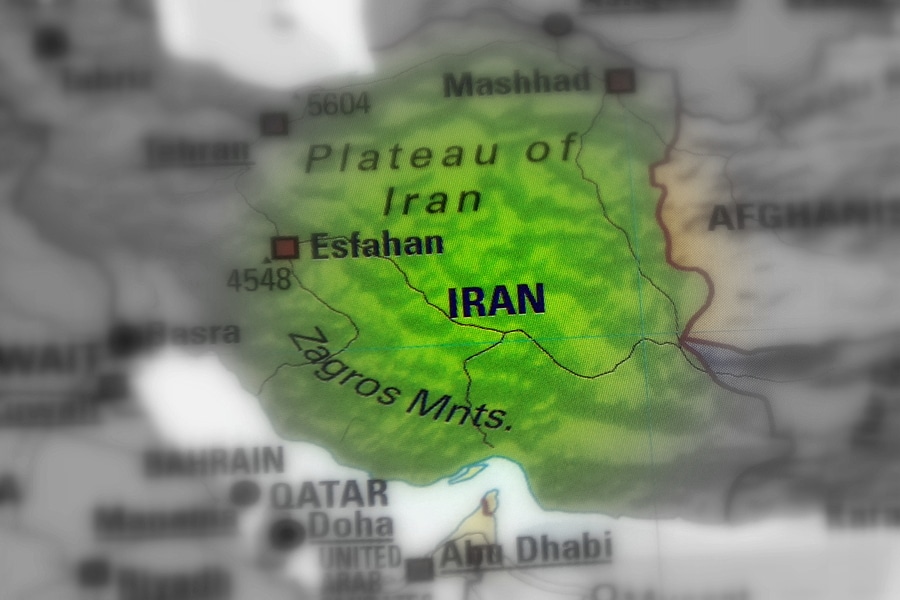

In recent months, escalating tensions in the Persian Gulf, particularly related to the strategically vital Strait of Hormuz, have become a focal point of international concern. The Strait serves as a crucial maritime passageway for approximately one-fifth of the world’s oil supply, making it an area of significant geopolitical interest.
Iran’s military command has issued stern warnings to the United States and its allies regarding navigation in the Strait of Hormuz, emphasizing Tehran’s determination to maintain its sovereignty over the waters. This escalation comes amid heightened military posturing from both sides, with the U.S. reinforcing its naval presence in the region to deter potential Iranian aggression.
The Iranian government views the Strait as essential to its national security. Historically, it has used the threat of disrupting navigation through the strait as a leverage point in international negotiations. The command has indicated that any foreign military presence in the region could provoke a response, leading to a potential confrontation. This rhetoric feeds into the broader narrative of increasing hostilities not just between the U.S. and Iran but also within the larger context of Iran’s relations with its Gulf neighbors.
The U.S. has been particularly vocal about its commitment to ensuring freedom of navigation in the Gulf. American military officials argue that a stable and secure Strait of Hormuz is vital for global commerce and oil prices. The deployment of naval aircraft carriers and additional vessels reflects Washington’s strategy to safeguard these interests and act as a deterrent against Iranian aggressive actions, such as seizure of tankers or other vessels traversing the strait.
Regional allies, including Saudi Arabia and the United Arab Emirates, are closely monitoring the situation. They too have vested interests in the stability of shipping routes due to their dependence on oil exports. There is a palpable anxiety among these nations about the potential for miscalculations that could lead to armed conflict, further destabilizing an already volatile region.
Furthermore, the ongoing negotiations surrounding Iran’s nuclear program compound these tensions. The U.S. and other Western countries seek constraints on Iranian nuclear ambitions, while Iran perceives military tensions and economic sanctions as direct attempts to undermine its sovereignty. This intricate web of diplomatic, economic, and military pressures creates a precarious situation where any misstep could lead to swift escalation.
In summary, the warnings from Iranian military command signal a complex and tense standoff in the Strait of Hormuz. With both sides entrenched in their positions, the international community remains watchful, hoping that diplomatic channels can still navigate through these treacherous waters, preventing a conflict that could have catastrophic implications not just for the Gulf region, but for global stability as a whole.
For more details and the full reference, visit the source link below: