
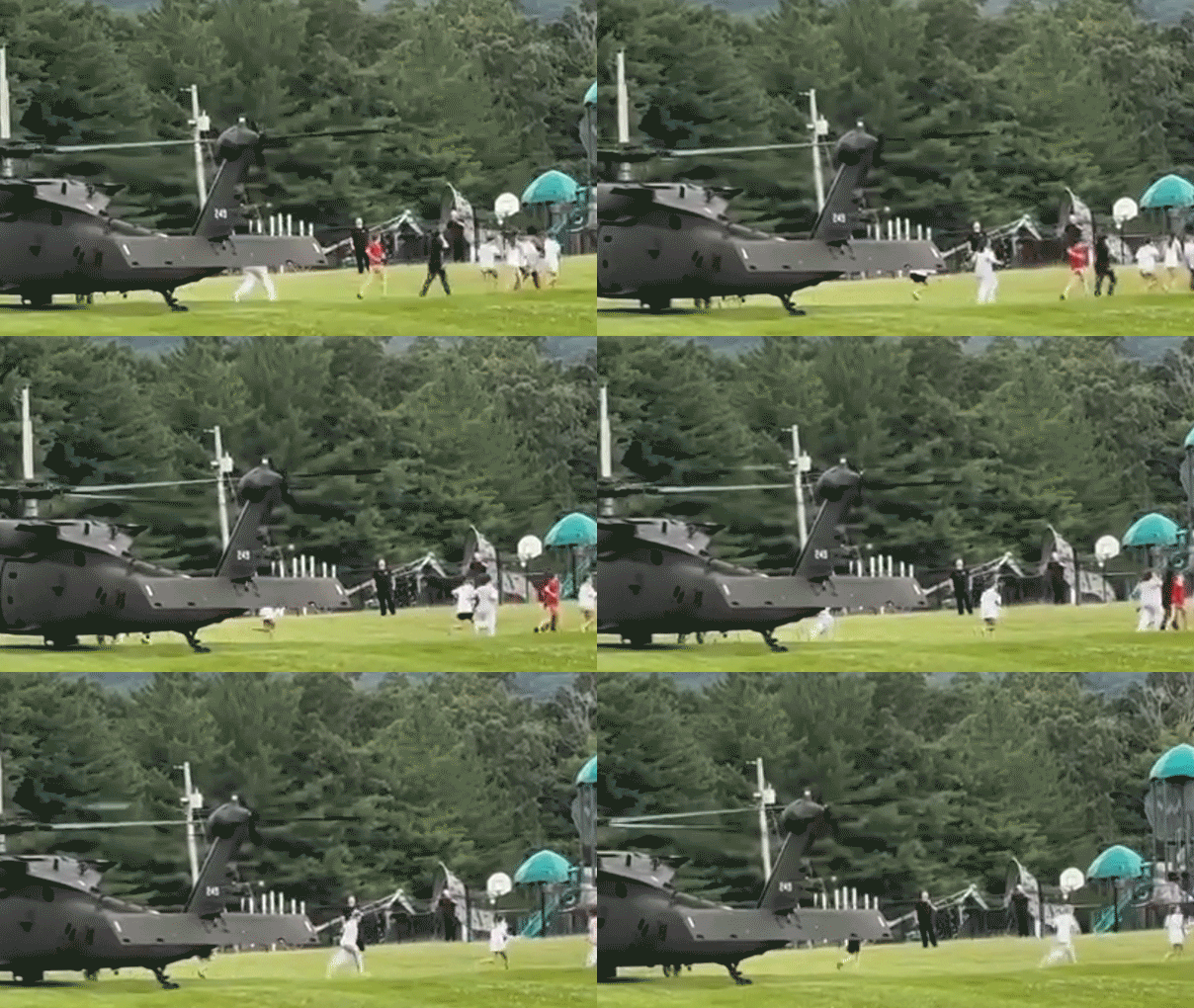

Army National Guard Black Hawk Helicopters Airlift 202 Missouri Campers
The Army National Guard plays a vital role in emergency response and disaster relief across the United States. One of the most impressive assets in their arsenal is the Black Hawk helicopter. This article explores a recent operation where the Army National Guard utilized Black Hawk helicopters to airlift 202 campers stranded in Missouri.
Overview of the Incident
In an unprecedented rescue operation, 202 campers found themselves stranded due to severe weather conditions in Missouri. As heavy rain and flash flooding caused dangerous conditions, local authorities realized that a rapid response was necessary. The Army National Guard was called upon to utilize their Black Hawk helicopters for a safe evacuation.
Significance of Black Hawk Helicopters
Black Hawk helicopters are renowned for their versatility and reliability in various missions, including transporting troops, medical evacuations, and disaster response. Designed for adaptability, these helicopters excel in challenging environments, such as treacherous weather conditions and remote locations.
Role of the Army National Guard
The Army National Guard serves both as a reserve component of the U.S. Army and a vital entity in state-level responses to natural disasters. Their expertise in aviation and logistics allows for efficient deployment of resources in emergencies. In the case of the stranded campers in Missouri, their swift action and well-coordinated efforts made all the difference.
The Evacuation Operation
Mobilization and Planning
Once the decision was made to conduct the airlift, the National Guard quickly mobilized. Planning included careful evaluations of weather conditions, terrain analysis, and coordination with local emergency services. The success of such operations relies on seamless communication and meticulous logistics.
Helicopter Capabilities
Black Hawk helicopters can carry up to 11 soldiers or the equivalent weight in cargo. This makes them remarkably efficient for airlifting larger groups of people. Additionally, these helicopters can operate in high-stress situations, boasting advanced navigation and weather detection systems that enhance their operational capabilities.
Execution of the Airlift
On the day of the operation, multiple Black Hawk helicopters launched from their bases, equipped with specialized pilots and support crews. Communication was maintained between the helicopters, local authorities, and the campers to ensure a smooth operation. Each helicopter successfully airlifted groups of campers, ensuring their safe return to designated evacuation points.
Challenges Encountered
While the operation was largely successful, it was not without its challenges. Adverse weather conditions posed risks during the airlift, including low visibility and strong winds. However, the highly trained pilots adeptly navigated these obstacles, showcasing their expertise and commitment to ensuring the safety of the campers.
The Impact of the Airlift
Immediate Relief
The successful airlift provided immediate relief to the stranded campers. Many were worried about rising floodwaters and the potential dangers posed by the weather. The National Guard’s swift response not only ensured their safety but also provided peace of mind to families and loved ones.
Community Response
The operation garnered appreciation from the local community and the campers themselves. Many expressed their gratitude for the exceptional service provided by the Army National Guard. This incident reaffirmed the community’s trust in the National Guard’s capabilities during emergencies.
Future Implications
The successful execution of this mission highlights the importance of readiness and rapid response in emergency services. As climate change leads to more unpredictable weather patterns and natural disasters, the ability of the Army National Guard to swiftly mobilize and deploy resources will be crucial in future rescue operations.
Preparing for Future Operations
Training and Preparedness
Ongoing training is essential for the Army National Guard to maintain operational readiness. Regular simulations and exercises prepare the crew for real-life scenarios. The collaboration with local agencies further enhances preparedness, ensuring that all parties know their roles and responsibilities during emergencies.
Community Engagement
Community awareness campaigns can help citizens understand how to respond during natural disasters. The National Guard’s active involvement in educational programs showcases their commitment not just to emergency response, but also to building resilient communities through preparedness and awareness.
Conclusion
The Army National Guard’s airlift of 202 stranded campers in Missouri using Black Hawk helicopters was a remarkable demonstration of the operational capabilities of military aviation in response to emergencies. It highlights the importance of preparedness, teamwork, and swift action in ensuring the safety of people in precarious situations. The community’s gratitude and the successful execution of the mission underscore the essential role that the Army National Guard plays in protecting lives and responding to natural disasters. As we continue to face the challenges posed by climate change, the expertise and readiness of organizations like the Army National Guard will be more critical than ever.
For anyone seeking to understand the nexus between military aviation and disaster relief, this incident serves as a key case study. Future engagement and preparedness will ensure that in times of crisis, communities can rely on the brave men and women of the Army National Guard to act swiftly and protect lives.

