
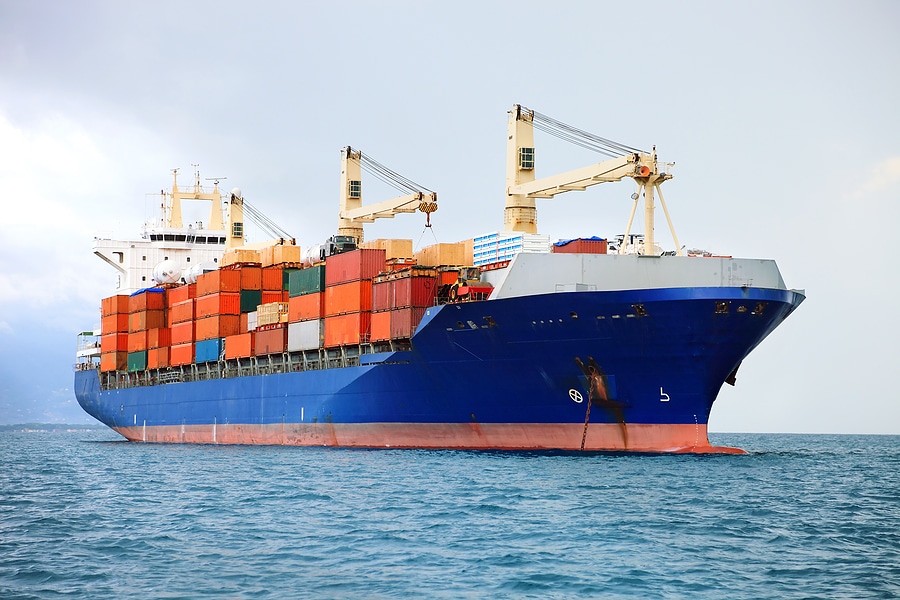

The Strait of Hormuz, a narrow passage connecting the Persian Gulf to the Gulf of Oman, is a key maritime corridor that plays a vital role in global energy markets. Approximately 20% of the world’s oil supply transits through this strait, making it one of the most strategically important waterways. The geopolitics surrounding this region is profoundly influenced by three disputed islands: Abu Musa, Greater Tunb, and Lesser Tunb. These islands are located at the entrance of the Strait and have implications for regional security, economic interests, and international relations.
The islands are administered by Iran, but both the United Arab Emirates (UAE) and Iran have historical claims to them. The dispute dates back to the late 1960s, during the period of decolonization, when Iran took control of the islands. The UAE seeks to assert its sovereignty over the islands, viewing them as integral to its territory and maritime rights. This territorial dispute complicates relations between the two nations and serves as a flashpoint for broader regional tensions.
Control over these islands provides strategic advantages. Whichever nation holds them can exert greater influence over marine traffic, potentially obstructing shipping lanes or enforcing maritime laws. Given the significant volume of oil and liquefied natural gas tankers passing through the Strait, the ability to control or deny access to this chokepoint can have severe implications for global markets and energy security. Any escalated military tensions in the region could lead to increased insurance costs for vessels, disruptions in oil supply chains, and rising global oil prices—a scenario that can affect economies far beyond the immediate conflict zone.
Additionally, the islands have military significance. They serve as potential bases for surveillance and naval operations, with both Iran and the UAE likely to enhance their military presence in the area. The build-up of military assets heightens the risk of clashes, whether intentional or accidental, underscoring the precarious nature of regional security.
Furthermore, the geopolitical complexity is amplified by the involvement of global powers like the United States, China, and Russia, each having vested interests in the region’s stability and energy supply lines. These countries may leverage the disputes for their strategic objectives, thereby adding layers of complexity to any resolution process.
In summary, the three disputed islands in the Strait of Hormuz are not just remote outposts; they represent a critical geopolitical chokepoint with far-reaching implications for energy security, military strategy, and international relations. The intersecting interests of regional actors and global powers make the resolution of this dispute a matter of utmost importance, underscoring the need for diplomatic efforts to ensure stability in the region.
For more details and the full reference, visit the source link below:


