
Rattlesnake Found Hiding Under Amazon Package Bites California Girl
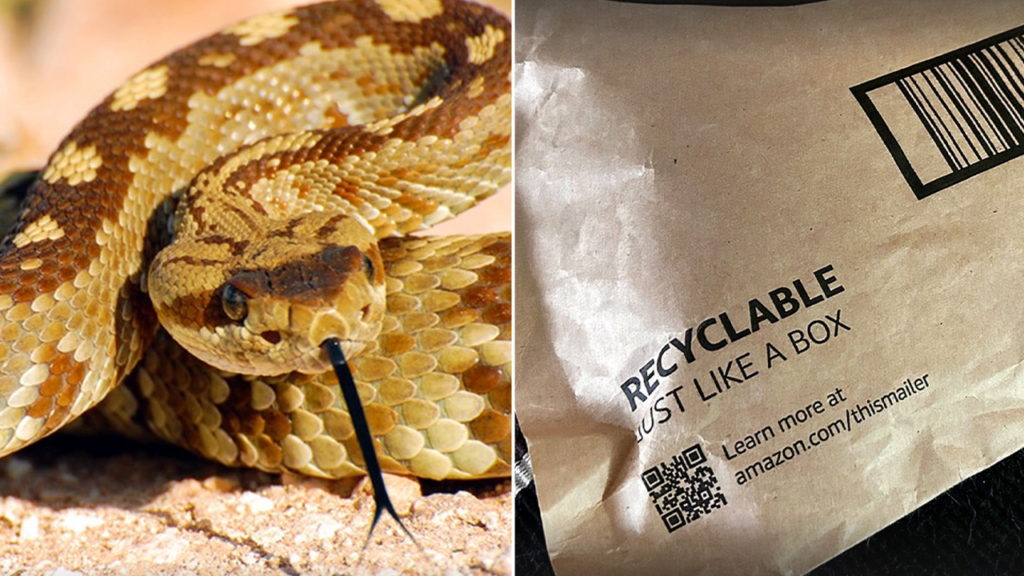
In a surprising and alarming incident in California, a young girl was bitten by a rattlesnake that had taken refuge under an Amazon package. This event has raised concerns about the dangers that can lurk in unexpected places, especially in areas where wildlife and human habitation intersect.
The Incident: What Happened?
The incident occurred in a suburban neighborhood where wildlife is often seen in the vicinity. The young girl, reportedly around ten years old, was excitedly opening a package that had just been delivered to her home. Unbeknownst to her, a rattlesnake had crawled under the box to seek shelter from the scorching heat.
When she reached to lift the package, the startled snake reacted defensively and bit her. Fortunately, the girl’s quick action in seeking help and the immediate response from emergency services helped minimize the situation’s severity. The bite was painful but, thanks to modern medical treatment, she is expected to make a full recovery.
Understanding Rattlesnakes: Nature’s Intriguing Creatures
Rattlesnakes, primarily found in North America, are known for their distinctive rattle, a unique warning system to alert potential threats. These reptiles can be dangerous, but they are also essential members of the ecosystem, helping control rodent populations.
Types of Rattlesnakes
There are several species of rattlesnakes, each with different habitat preferences and behaviors. Common species found in California include:
-
Western Diamondback: Recognized by its diamond-shaped patterns, this snake can grow up to 7 feet in length.
-
Pacific Rattlesnake: Widely distributed in California, it has a more muted coloration and is often found in rocky areas.
-
Mojave Rattlesnake: Known for its potent venom, this snake is typically found in desert regions.
Habitat and Behavior
Rattlesnakes prefer dry, warm environments where they can easily hide among rocks, shrubs, and other vegetation. They are primarily nocturnal, making them more active during cooler nights. Their camouflage allows them to remain hidden, which is beneficial for both hunting and avoiding predators.
The Risks of Living Near Wildlife
As urban areas expand into natural habitats, people often encounter wildlife in unexpected places, including their homes. This incident serves as a reminder of the potential risks associated with living near wild areas.
Common Wildlife Encounters
- Rodents: These often attract snakes looking for a meal.
- Coyotes: While they usually avoid humans, encounters can occur.
- Insects: Bees, wasps, and other stinging insects are also common.
How to Stay Safe From Rattlesnake Encounters
To minimize the risk of rattlesnake bites and other wildlife encounters, homeowners can adopt several preventive measures:
1. Keep Yards Tidy
Keeping your yard clean and well-maintained can deter snakes. Removing debris, woodpiles, and tall grass reduces hiding spots for these reptiles.
2. Seal Entry Points
Ensure that there are no gaps or holes in your home’s foundation where snakes could enter. Regularly check windows and doors, making necessary repairs.
3. Avoid High-risk Areas
Be cautious when reaching under objects or exploring areas near tall grass or rocks, especially during warmer months when snakes are more active.
4. Educate Children
Teaching children how to safely interact with their environment can reduce the likelihood of dangerous encounters. Encourage them to avoid touching or approaching wildlife.
What to Do if Bitten by a Rattlesnake
In the unfortunate event of a rattlesnake bite, it’s crucial to stay calm and take immediate action to seek medical help:
1. Remain Calm
Keeping a calm demeanor can reduce heart rate and slow the spread of venom.
2. Seek Medical Attention
Call emergency services immediately. Time is of the essence, as antivenom may be required.
3. Keep the Affected Area Still
Avoid moving the bitten limb, as this can help slow the spread of venom.
4. Do Not Apply Ice or Tourniquets
Avoid putting ice on the bite or using a tourniquet, as these can cause further harm.
Lessons Learned: Awareness and Preparedness
This incident serves as a critical reminder of the importance of awareness and preparedness when living in areas with wildlife. With increasing urbanization, understanding how to coexist with nature is essential for safety.
Community Awareness Programs
Many local communities and wildlife organizations are developing programs to educate residents about local wildlife, including snakes. These initiatives often include workshops, informational materials, and even school programs to teach children about the importance of wildlife conservation and safety.
Conclusion
While rattlesnake encounters can be alarming, awareness, education, and preparedness can significantly minimize the risks associated with living near wildlife. As the story of the California girl illustrates, a moment of caution can save lives. By taking the necessary precautions and staying informed about local wildlife, we can coexist with nature while ensuring the safety of our communities.