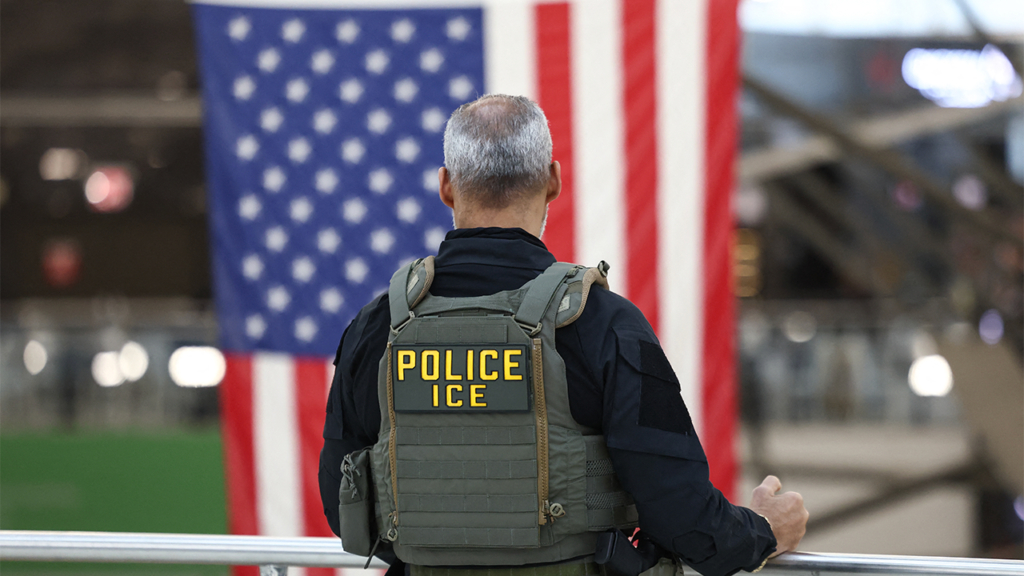

ICE to Begin Operation Targeting 300K+ Haitian Migrants Losing TPS Status
Introduction
The recent announcement by Immigration and Customs Enforcement (ICE) to target over 300,000 Haitian migrants who are set to lose Temporary Protected Status (TPS) has stirred significant controversy and concern. This move comes at a time when political tensions, economic instability, and security concerns in Haiti have left many individuals vulnerable. In this article, we will explore the implications of the planned operations, the current situation in Haiti, and the broader context surrounding TPS.
What is Temporary Protected Status (TPS)?
Temporary Protected Status (TPS) is a humanitarian program that allows persons from designated countries experiencing ongoing armed conflict, environmental disasters, or extraordinary conditions to live and work in the United States without fear of deportation. Haiti was granted TPS in 2010 following a devastating earthquake, and it has been extended multiple times due to continued instability and challenges in the country.
Why Are Haitians Losing TPS Status?
Political and Economic Instability
Haiti has been grappling with severe political unrest, economic hardship, and violence exacerbated by gang conflicts. Following the assassination of President Jovenel Moïse in 2021, the country has faced a power vacuum that has only intensified the chaos. Many migrants argue that these continuing crises in Haiti make it unsafe for them to return.
Legal Changes
The Biden Administration had issued an announcement regarding the potential termination of TPS for certain countries, and Haiti was included in the discussion. As the expiration date approaches, many are left anxious about their future status in the U.S.
ICE Operations: What to Expect
Increased Enforcement Actions
ICE’s planned operations will likely include targeted raids, increased surveillance, and collaboration with local authorities to identify and detain undocumented Haitian migrants. These initiatives raise significant ethical and humanitarian questions, especially given the precarious situation in Haiti.
Potential Consequences for Families
The enforcement actions can have devastating effects on families, many of whom have established their lives in the U.S. As individuals face potential deportation, family units may be torn apart, causing emotional and financial hardships.
Community Response to ICE Operations
Advocacy and Activism
The potential for large-scale deportations has spurred a wave of activism among immigrant rights organizations. Groups are organizing rallies, legal support, and awareness campaigns to advocate for the rights of Haitian migrants. Many activists emphasize the need for comprehensive immigration reform that would provide a pathway to citizenship for those who have made the U.S. their home.
Support from Religious and Community Leaders
Local churches, community organizations, and leaders have expressed their solidarity with Haitian migrants. Many are working to provide essential resources such as legal counsel, housing support, and mental health services to those affected by the imminent danger of deportation.
The Bigger Picture: Immigration Policy in the U.S.
Historical Context
The situation of Haitian migrants is not an isolated event but part of a broader discussion on immigration policy in the United States. Past administrations have taken varying approaches to TPS, often reflecting broader political sentiments. The current circumstances underscore the urgent need for a consistent and humane immigration policy.
Path Forward: Legislative Solutions
As the landscape continues to evolve, there is growing pressure on lawmakers to address the complexities surrounding TPS. Comprehensive immigration reform that includes provisions for TPS holders can lead to improved stability for millions of migrants who contribute to the economy and society.
The Impact on U.S.-Haiti Relations
Humanitarian Aid
The looming risk of deportation raises questions about the U.S. commitment to assisting Haiti in its time of need. Humanitarian ties may weaken as the U.S. government fails to consider the implications of returning individuals to a crisis-ridden country.
Diplomatic Actions
The U.S. administration’s decisions on immigration policy also have the potential to impact diplomatic relations with Haiti. The willingness to extend TPS and other forms of support may influence Haiti’s perception of the U.S. as a partner in development.
Conclusion
The impending ICE operations targeting Haitian migrants losing TPS status serve as a reminder of the complexities tied to immigration policies in the United States. As over 300,000 individuals face potential deportation back to a homeland fraught with danger and instability, the human cost of such actions cannot be overlooked. Advocacy for comprehensive immigration reform and support for affected communities is crucial in navigating this evolving landscape. The situation underscores the need for a more humane approach to immigration, prioritizing the dignity and safety of individuals fleeing hardship.
Call to Action
As we continue to observe the developments regarding Haitian migrants and TPS, it is vital for community members, activists, and policymakers to engage in supportive initiatives. Raising awareness, advocating for policy changes, and offering tangible support to those in need are crucial steps in addressing this urgent humanitarian challenge.
This content is SEO-optimized with headers, relevant keywords, and provides valuable information addressing the critical issue of TPS and its impact on Haitian migrants. This comprehensive approach serves to not only inform but also inspire action and awareness.