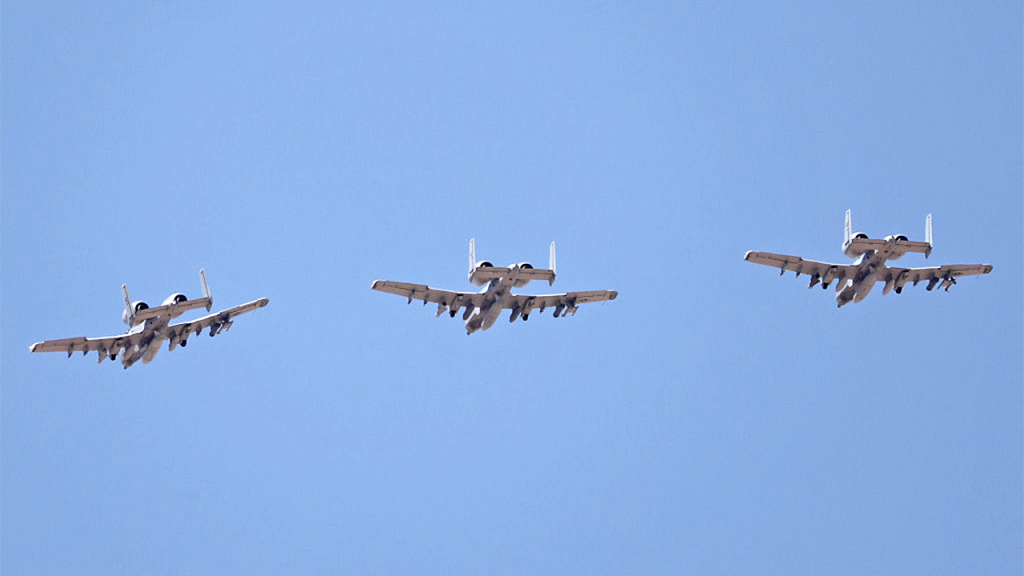

A-10 Warthog: A New Role Targeting Boats in Iran
The A-10 Thunderbolt II, also affectionately known as the “Warthog,” has long been a staple of U.S. military aviation. Designed for close air support, this rugged aircraft has demonstrated its capabilities in various conflict scenarios since its introduction in the 1970s. Recently, however, defense analysts and military strategists have proposed a new role for the A-10: targeting boats in Iran. This evolution speaks volumes about the aircraft’s adaptability and the strategic complexities of modern warfare.
The A-10 Warthog: A Brief Overview
Historical Context
The A-10 was developed during the Cold War primarily to provide support for ground troops against the Soviet armor threat. Armed with the iconic GAU-8/A Avenger 30mm cannon, the Warthog is capable of delivering devastating firepower. Its ruggedness and ability to fly slow and low make it particularly effective in close air support operations.
Current Role
Traditionally, the A-10 has engaged in ground attack missions, targeting tanks, armored vehicles, and fortifications. It has played pivotal roles in major conflicts, such as Desert Storm and Operation Iraqi Freedom, where its capabilities were fully utilized.
Strategic Shift: A New Mission Set
Emergence of the Iranian Threat
As geopolitical tensions with Iran have escalated, particularly concerning its naval capabilities in the Persian Gulf, the U.S. military has recognized the need for versatile air support in maritime environments. Iran’s asymmetric warfare strategy encompasses a fleet of fast attack boats, which pose a threat to U.S. naval forces and regional allies.
The Need for Enhanced Capabilities
With the increasing unpredictability of maritime conflicts in the region, the role of traditional air support must evolve. This need gives rise to the concept of employing the A-10 Warthog in a new capacity—targeting boats and small naval craft effectively.
Why the A-10 Warthog?
Proven Versatility
The A-10 is already renowned for its adaptability, making it a suitable candidate for this new mission. The robust design and advanced targeting systems can be modified to accommodate maritime engagements. The aircraft’s ability to loiter over a battlefield allows for close coordination with naval assets, enhancing its effectiveness in boat-targeting missions.
Precision Strikes
Equipped with advanced targeting pods, the A-10 can identify and engage fast-moving maritime targets with unprecedented precision. Its array of munitions, including laser-guided bombs and targeted missiles, empowers it to deliver devastating strikes on enemy vessels while minimizing collateral damage.
Operational Readiness
Transitioning the A-10 to target boats doesn’t require extensive retraining or overhauling the aircraft. The aircrews are already familiar with precision targeting, making this a cost-effective option for the military compared to developing new platforms for maritime engagements.
Challenges and Considerations
Navigating the Maritime Environment
While the A-10 excels in ground attack, operating over water presents unique challenges. Weather conditions, sea state, and other environmental factors can influence mission success. Clear protocols and specific mission parameters will need to be established to maximize effectiveness in this new role.
International Response
U.S. operations targeting Iranian naval craft could escalate tensions in the region. The potential for unintended engagements or miscalculations could provoke Iranian responses, threatening broader conflict. Careful planning and communication with allies are essential to mitigate these risks.
A Broader Perspective
Future of Air Support in Maritime Operations
The introduction of roles like targeting boats marks a pivotal shift in how close air support is envisioned. The A-10 might not be the last aircraft to adopt such roles as the military looks for ways to adapt existing platforms for emerging threats.
Technological Advancements
As technology progresses, we can expect to see an integration of systems that further enhance the A-10’s capabilities in maritime environments. These advancements could include improved radar systems and augmented reality interfaces that allow pilots to assess threats more accurately in real-time.
Conclusion
The A-10 Warthog’s new role targeting boats in Iran represents a significant adaptation in the U.S. military’s approach to modern warfare. By leveraging the strengths of existing platforms, the military can maintain its edge against evolving threats while reducing costs. As both the geopolitical landscape and technology continue to evolve, the A-10’s adaptability will be crucial in ensuring its relevance in future conflicts.
Securing superiority in maritime operations will not only involve the strategic application of air support but also the seamless integration of ground and naval assets. The decision to assign the A-10 to this emergent role indicates a proactive stance toward addressing contemporary challenges, one that combines tradition with innovation.
Key Takeaways
- The A-10 Warthog is being reimagined for targeting boats in Iran.
- Its adaptability makes it well-suited for maritime missions.
- The precision of the A-10 can enhance mission success against fast-moving naval threats.
- This evolution emphasizes the importance of integrating air support into broader military strategies.
By understanding the strategic implications of this shift, we can better appreciate the ongoing evolution of the A-10 and its vital role in safeguarding national and regional security.