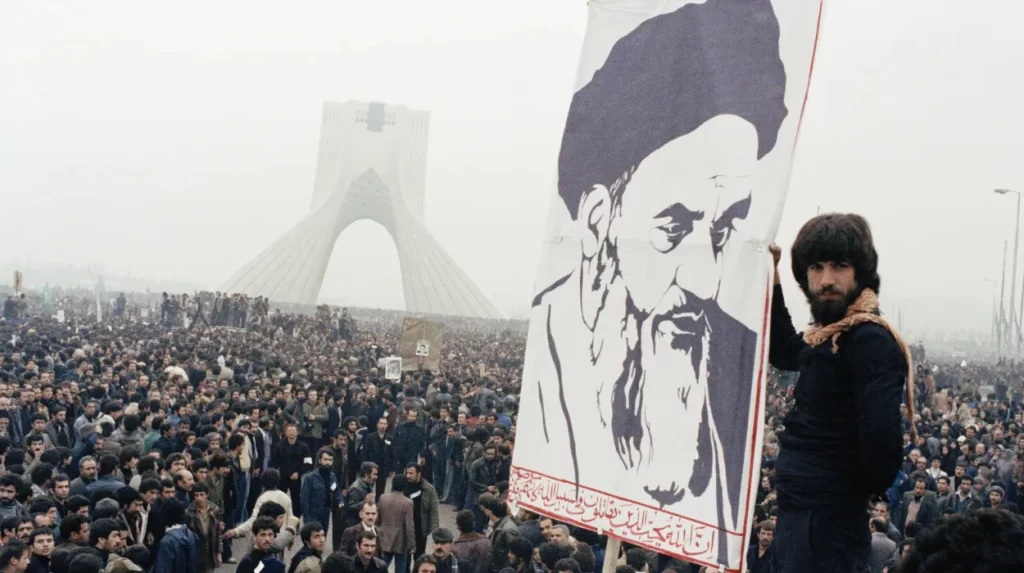

The transition from social protest to a challenge against repressive sovereignty represents a significant evolution in civil resistance movements globally. Historically, social protests have served as a platform for marginalized voices to express grievances and demand change within existing political structures. They often focus on specific issues, such as economic inequality, racial injustice, or environmental concerns. However, as systemic repression intensifies, activists are increasingly finding that addressing these singular issues is insufficient. This realization fosters a shift towards confronting the very foundations of governing authorities, challenging the legitimacy and sovereignty of repressive regimes.
In recent years, we have observed this transition in various contexts. Movements in countries like Belarus, Sudan, and Myanmar showcase how initial protests, which may have begun as responses to specific grievances or events, evolved into broader campaigns against authoritarian rule. In these cases, dissenters realized that systemic issues like corruption, lack of democratic representation, and human rights abuses were interlinked, necessitating a challenge to the sovereignty of the oppressive regimes themselves.
This shift is often catalyzed by brutal state responses to protests. When governments resort to violent crackdowns, mass detentions, and propaganda to stifle dissent, it can radicalize participants and mobilize broader segments of society. The realization that peaceful protests can lead to severe repercussions motivates activists to adopt more robust strategies, seeking to dismantle the structural injustices perpetuated by those in power. Instead of merely demanding reforms, they pursue a comprehensive redefinition of societal norms, governance mechanisms, and relationships between citizens and the state.
Moreover, technology plays a crucial role in this transformation. Social media and decentralized communication tools facilitate the rapid spread of information, allowing protesters to organize beyond geographic constraints and share lived experiences of oppression. This connectivity fosters a more profound sense of solidarity and shared purpose, uniting diverse groups against common adversaries. Through digital activism, individuals can amplify their messages globally, drawing international attention to local struggles, which further emboldens movements to challenge state sovereignty.
Nevertheless, this phase shift is not without its challenges. Leaders of social movements must navigate the risks of repression and fragmentation among diverse interest groups. Internally, the push towards more radical strategies can lead to tensions between moderate and radical factions within movements. Externally, state actors are quick to label dissenters as terrorists or agents of foreign influence, attempting to delegitimize their struggles.
Ultimately, the transformation from social protest to a challenge against repressive sovereignty signifies a crucial moment in the quest for justice and democratic governance. It reflects a growing recognition that true change requires not just reforms but a fundamental shift in power dynamics, emphasizing that people cannot merely seek rights—they must also reclaim sovereignty from those who oppress them.
For more details and the full reference, visit the source link below: