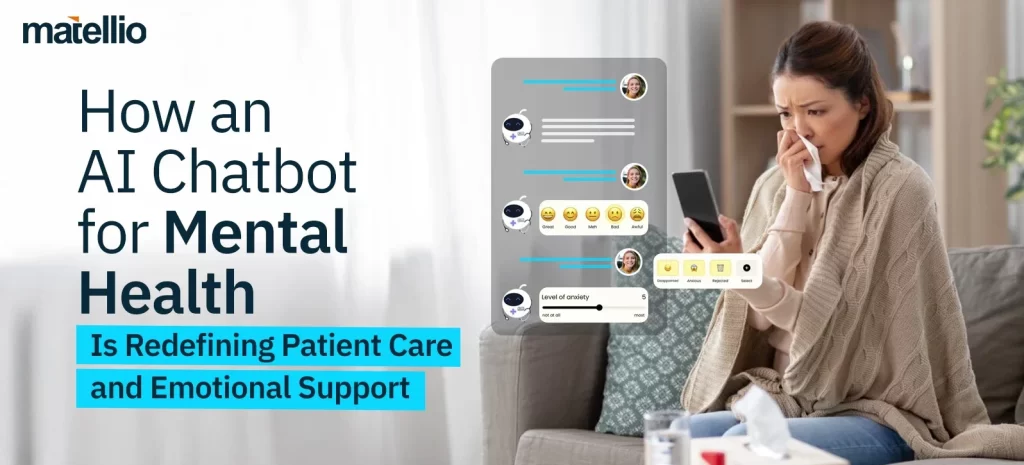

The United Kingdom has seen a remarkable surge in the adoption of AI-driven emotional support systems in recent years. This trend has been propelled by a growing awareness of mental health issues, increased demand for accessible support, and rapid advancements in technology. As mental health crises continue to escalate, particularly among younger populations, AI has emerged as a novel solution to bridge the gap between professional psychological help and public demand.
One of the key drivers behind this shocking rise is the escalating mental health crisis exacerbated by events such as the COVID-19 pandemic. Lockdowns and social distancing measures led to heightened feelings of isolation and anxiety, significantly increasing the burden on traditional mental health services. UK health authorities reported a surge in demand for mental health services, with many individuals unable to access timely support. This prompted many to turn to AI solutions that offer immediate, round-the-clock assistance, without the need for an appointment or long waiting times.
These AI emotional support systems come in various forms, including chatbots and mobile applications designed to provide users with coping strategies, mindfulness exercises, and even counseling simulations. Many of these platforms utilize natural language processing and machine learning algorithms, allowing them to understand and respond to users in a conversational manner. Some notable examples include apps like Woebot and Wysa, which guide users through emotional challenges and offer strategies based on cognitive behavioral therapy (CBT) techniques.
Furthermore, there’s a growing acceptance of technology in mental health, particularly among younger demographics who are more comfortable using digital platforms. Surveys indicate that a significant portion of the population, especially Gen Z and millennials, are more inclined to seek assistance from AI rather than traditional therapy. This shift has prompted various technological companies and mental health startups to invest heavily in the development and refinement of AI emotional support tools.
However, the rise of AI emotional support raises important ethical questions. Critics argue that while these tools are helpful in alleviating some immediate emotional distress, they cannot replace the nuanced understanding and personalized care that trained mental health professionals provide. Concerns regarding data privacy, security, and the potential for AI to misinterpret emotional cues also warrant attention.
Despite these challenges, the rapid increase in AI-driven emotional support illustrates a monumental shift in how mental health care is perceived and delivered in the UK. As technology continues to evolve, it will be crucial to strike a balance between leveraging AI for immediate support and ensuring the foundational importance of human empathy and professional care remains at the forefront of mental health services.
For more details and the full reference, visit the source link below: