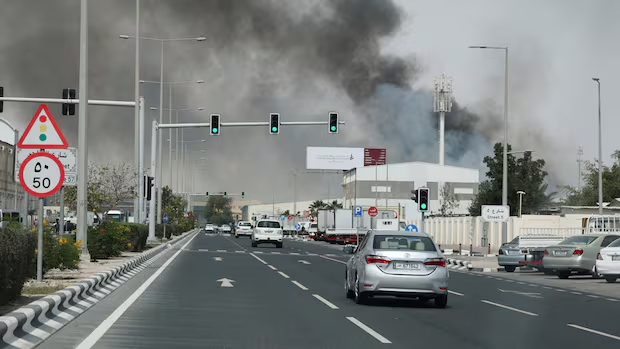

As geopolitical tensions rise in the Middle East, airlines are increasingly vigilant about the dangers posed by flying shrapnel and other aerial threats in the region’s airspace. The safety of civilian aviation has become a paramount concern as various conflicts continue to erupt across national borders, leading to heightened military activity and potential hazards for commercial flights.
In recent years, incidents involving military engagements, including missile strikes and aerial bombardments, have underscored the risks that airlines face when routing flights over these volatile regions. The phrase “flying shrapnel” evokes the frightening prospect of projectiles accidentally or purposely colliding with commercial aircraft, a risk that both airlines and regulatory bodies take very seriously. Following several high-profile incidents, such as the tragic downing of Malaysia Airlines Flight MH17 over Ukraine, airlines are re-evaluating routes and operational protocols to mitigate risks.
Airlines operate under strict safety guidelines that are informed by intelligence assessments from various sources, including government agencies and international aviation organizations. The fluctuating nature of threats requires carriers to remain adaptive and responsive. In light of escalating tensions, many airlines have begun to adjust their flight paths to avoid certain areas or to heighten their operational precautions when flying over designated conflict zones. These measures may include altitude adjustments, increased communication with air traffic control, or re-routing flights entirely.
Moreover, the risk assessment doesn’t solely revolve around immediate threats; the potential for collateral damage and the ensuing safety implications are also taken into account. As conflict zones become more complex, with multiple factions and nations involved, the uncertainties surrounding airspace security grow. Recognizing this, airlines are investing in advanced threat assessment technologies that can provide real-time updates on aerial risks. These technologies are crucial for making informed decisions on flight safety.
The economic implications of re-routing flights can be significant. Airlines may face increased operational costs, potential delays, and longer travel times, which can affect passenger satisfaction and overall profitability. Nevertheless, the priority remains clear: ensuring the safety of passengers and crew. In this effort, collaboration among airlines, government bodies, and international organizations is vital, fostering a unified approach to managing risks associated with Middle Eastern airspace.
Ultimately, while the Middle East remains a critical region for global aviation, volatile conditions necessitate a proactive stance from airlines. Ongoing assessment of threats, investment in technology, and adaptive flight strategies are essential for maintaining safety in the skies amid the challenging backdrop of geopolitical unrest. The commitment to safeguarding civilian aviation will continue to shape the policies and operational frameworks of airlines navigating this precarious airspace.
For more details and the full reference, visit the source link below: