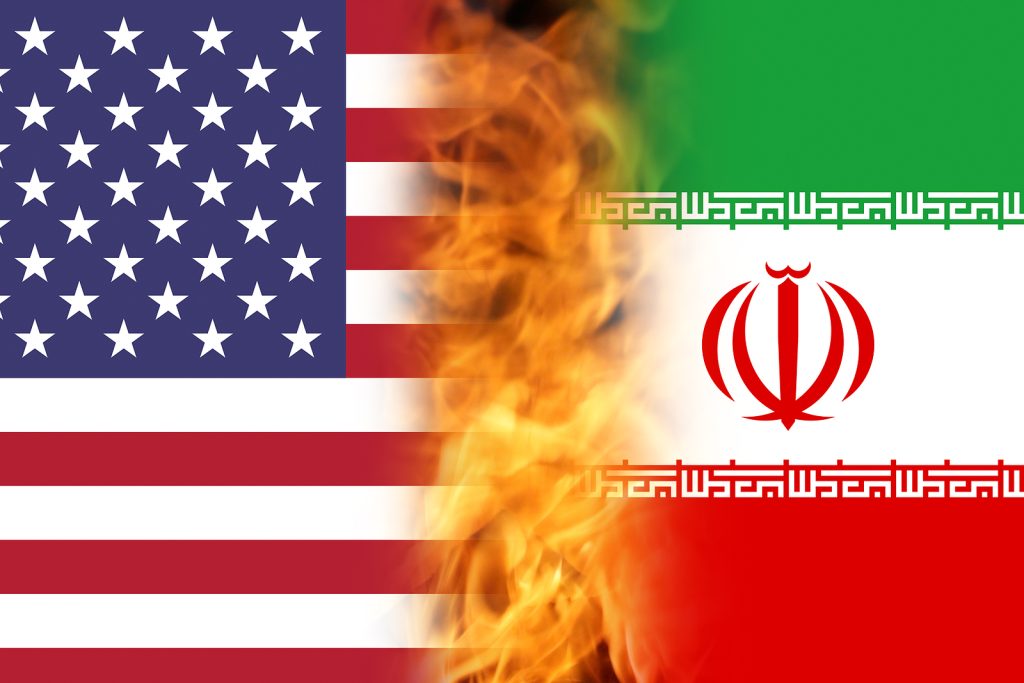

America Cannot Afford to Trust Iran
The relationship between the United States and Iran has long been marred by mistrust, hostility, and deeply entrenched ideological differences. This dynamic has only intensified in recent years, particularly following the U.S. withdrawal from the Joint Comprehensive Plan of Action (JCPOA) in 2018. The implications of this lack of trust are substantial, affecting not just geopolitics but also global security, trade, and regional stability.
At the core of America’s reluctance to trust Iran are concerns about its nuclear program. Despite Iran’s assertions that its nuclear ambitions are peaceful, evidence suggests otherwise. The IAEA (International Atomic Energy Agency) has reported inconsistencies and limitations in Iran’s compliance with nuclear agreements, leading analysts to question its true intentions. The fear is that, if allowed, Iran may eventually develop nuclear weapons capabilities, posing a direct threat to both U.S. interests and allies in the Middle East, especially Israel and Saudi Arabia.
Furthermore, Iran’s role in sponsoring terrorism adds another layer of complexity to the relationship. The Iranian government has provided funding and military support to militant groups like Hezbollah in Lebanon and various factions in Iraq and Syria. These groups have conducted numerous attacks on U.S. personnel and interests, reinforcing the perception that Iran is not a reliable negotiating partner. Trusting Iran could potentially enable its influence in destabilizing regions critical to American interests and jeopardizing the safety of its allies.
Economic sanctions have been a primary tool for the U.S. in curbing Iran’s activities. While these measures aim to pressure the Iranian regime into compliance, they also create a narrative within Iran that portrays the U.S. as an aggressive adversary. This, in turn, fuels nationalist sentiment and hardline politics within the country, making it even more difficult to establish a bond of trust. Any dialogue that may occur is often overshadowed by the potential for sanctions relief being perceived as weakness rather than a diplomatic opening.
Moreover, Iran’s ballistic missile program poses another threat. Despite various international agreements, Iran continues to develop and test missiles capable of reaching U.S. bases in the region, as well as European territories. This persistent advancement showcases a blatant disregard for international frameworks designed to promote stability and security, further solidifying America’s stance of skepticism.
In conclusion, the historical context, evidence of non-compliance, and Iran’s aggressive regional posture lead to the conclusion that America cannot afford to place its trust in Iran. The stakes are simply too high, and any miscalculation could destabilize an already precarious situation in the Middle East. Trust is built on a foundation of transparency and mutual respect, qualities that have been in short supply between the U.S. and Iran for decades.
For more details and the full reference, visit the source link below:
Read the complete article here: https://www.stl.news/america-cannot-afford-to-trust-iran/