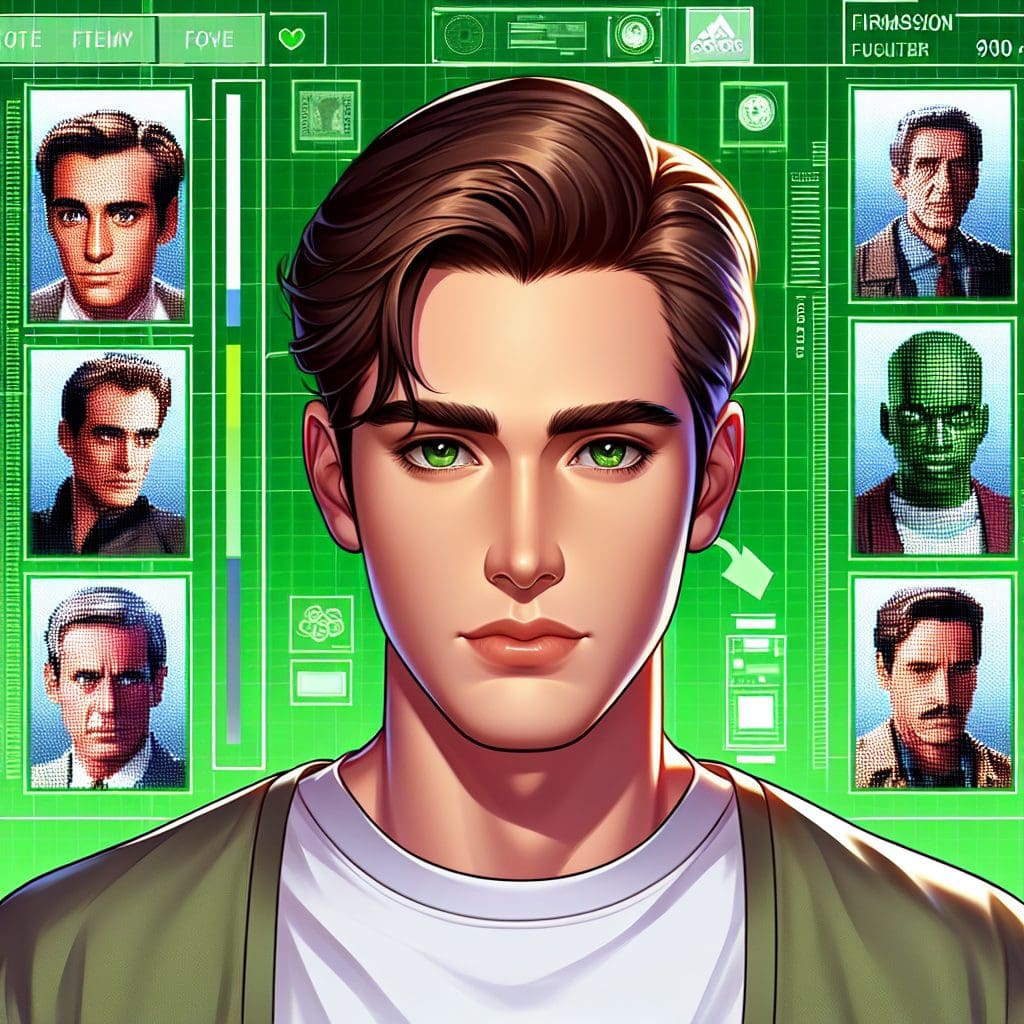

The film industry is often at the forefront of technological innovation, and the recent announcement of an AI version of Val Kilmer making a posthumous appearance in an upcoming film is a striking example of this trend. Val Kilmer, renowned for his roles in classics like “Top Gun,” “The Doors,” and “Batman Forever,” has left an indelible mark on cinema. His gravelly voice, unique charisma, and versatile acting abilities have made him a beloved figure among fans. However, due to health issues in recent years, his onscreen presence has been largely diminished.
Now, with advancements in artificial intelligence and digital recreation, filmmakers are exploring new avenues to bring iconic actors back to the silver screen. An AI-generated version of Kilmer aims to honor his legacy while allowing new audiences to appreciate his talents. This approach raises several fascinating points regarding ethics, nostalgia, and the future of filmmaking.
On a technical level, creating a lifelike digital version of an actor involves intricate processes, combined with motion capture and voice synthesis technology. This allows filmmakers to recreate Kilmer’s appearance and vocal trademarks with stunning accuracy. Such technology can preserve not only a character’s appearance but also the subtleties of an actor’s performance style, ensuring that the essence of Kilmer’s artistry can be experienced by new generations.
However, the use of AI in resurrecting deceased actors does not come without controversy. Questions arise about consent, the portrayal of a character, and the potential exploitation of an actor’s legacy. Kilmer, known for his craftsman-like dedication to acting, may have appreciated the chance to redefine roles even after his passing; nonetheless, the decision to utilize his likeness involves ethical considerations that filmmakers must navigate carefully.
Critics argue that such practices might undermine the authenticity of human performances, while supporters see it as a tribute that keeps an actor’s spirit alive. Ultimately, the film’s direction stands at a crossroads between innovation and tradition.
The project promises to be a bittersweet experience, invoking nostalgia for those who cherished Kilmer’s earlier performances while introducing his work to a new generation. It serves as a bridge connecting the past to the present, reflecting how technology can honor artistry. As the film industry continues to explore the possibilities of AI in cinema, Kilmer’s digital return will undoubtedly spark discussions about the legacies of beloved actors and the evolving landscape of storytelling.
For more details and the full reference, visit the source link below: