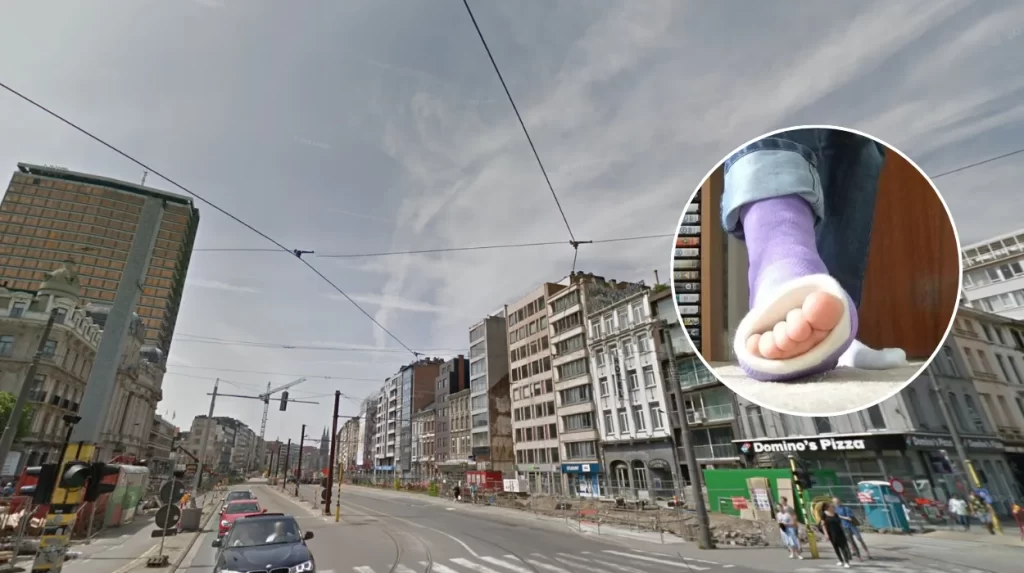

Antwerp and Mol hospitals have recently reported a noticeable increase in the number of patients treated for injuries related to slippery falls. The winter months often bring icy conditions, which can lead to hazardous situations for pedestrians. This surge has prompted local health officials to assess the underlying causes and advocate for preventive measures to protect the community.
During cold weather, the likelihood of slips and falls significantly escalates, especially in areas where sidewalks and streets are not adequately treated with salt or grit. In Antwerp and Mol, the combination of freezing temperatures and ongoing precipitation has created particularly perilous conditions. Hospital reports indicate that many of the patients presenting with injuries have sustained fractures, sprains, and head trauma as a direct result of these falls.
The emergency rooms at both hospitals have seen a higher volume of patients, with staff working diligently to manage the influx. Medical professionals are urging the community to take precautions during the winter months, such as wearing appropriate footwear with better traction and being mindful of walking patterns on icy surfaces. Public awareness campaigns aimed at educating citizens about fall prevention have become increasingly important.
Local authorities are under pressure to respond to the heightened risk of falls in their respective areas. Initiatives such as improving road maintenance and deploying salt trucks promptly may help mitigate the risks associated with slippery sidewalks and roads. Additionally, community organizations have started to engage in discussions around enhancing public infrastructure, like better lighting and more effective snow and ice removal operations.
Furthermore, the hospitals are also focusing on recovery and rehabilitation for those injured. Physical therapy services are being mobilized to assist patients in regaining their strength and stability post-injury. Ensuring that individuals can recover fully not only aids in their personal health journey but also has wider implications for public health as well.
In conclusion, the rise in patients at Antwerp and Mol hospitals due to slippery falls highlights the pressing need for public awareness and proactive measures during winter months. Both local governments and healthcare providers must collaborate to develop strategies that enhance community safety and reduce the risk of falls. While winter weather can often be beautiful, it also poses serious dangers that require community vigilance and collective action. Encouraging safe practices, improving infrastructure, and advancing recovery efforts can foster a safer environment for all residents as they navigate slippery conditions.
For more details and the full reference, visit the source link below: