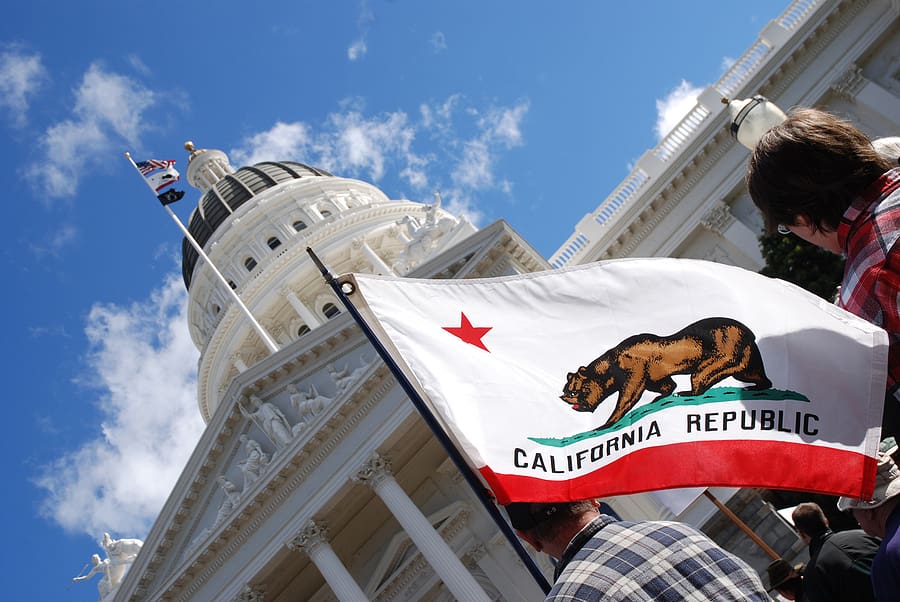

In contemporary discussions about the economy, the impact of bad politics on rising costs has become increasingly relevant. The interplay between political decisions and economic health can significantly affect various sectors, primarily consumer goods, housing, and energy prices. When analysts refer to “bad politics,” they often mean inefficient governance, lack of transparency, and policies driven not by the public good but by special interests.
One of the most significant ways in which bad politics contributes to rising costs is through regulatory mismanagement. For instance, when politicians engage in excessive or poorly designed regulations, businesses may face higher compliance costs. These costs are often passed on to consumers in the form of increased prices. Political gridlock can exacerbate this issue; when policymakers fail to reach agreements on necessary infrastructure projects or key legislation, the resulting stagnation can slow economic growth, further inflating prices.
Another critical factor is the influence of special interest groups. Lobbying efforts can lead to subsidies and protections for certain industries, creating an uneven playing field. For example, agricultural policies that favor large agribusinesses over small farmers can lead to monopolies that drive up food prices. Instead of fostering competition, these political decisions allow a few players to control the market, thus raising costs for consumers.
Additionally, bad politics can trigger economic uncertainty, which often results in inflation. When citizens perceive that their leaders are ineffectual or corrupt, confidence in the economy dwindles. Investors may pull back, stock markets may wobble, and the aggregate demand can decline. This uncertainty can threaten economic stability, leading to inflationary pressures as people rush to purchase goods before prices rise further.
The unfortunate irony is that when costs rise, it can lead to a vicious cycle. Increased prices can prompt calls for government intervention, creating an environment ripe for more bad political decisions. Politicians may impose price controls or tariffs, aiming to alleviate short-term pain without addressing the underlying issues. These measures can distort free markets further, pushing prices even higher in the long run.
In summary, bad politics significantly contributes to rising costs through regulatory mismanagement, the influence of special interests, and the generation of economic uncertainty. The interplay between political decisions and economic conditions highlights the importance of accountability and effective governance. A political climate that prioritizes transparency, public interest, and bipartisan collaboration is crucial for stabilizing costs and fostering an environment conducive to economic growth. Moving forward, it is vital for voters and policymakers alike to recognize the deep-seated relationships between political actions and economic outcomes to pave the way for a more stable financial future.
For more details and the full reference, visit the source link below: