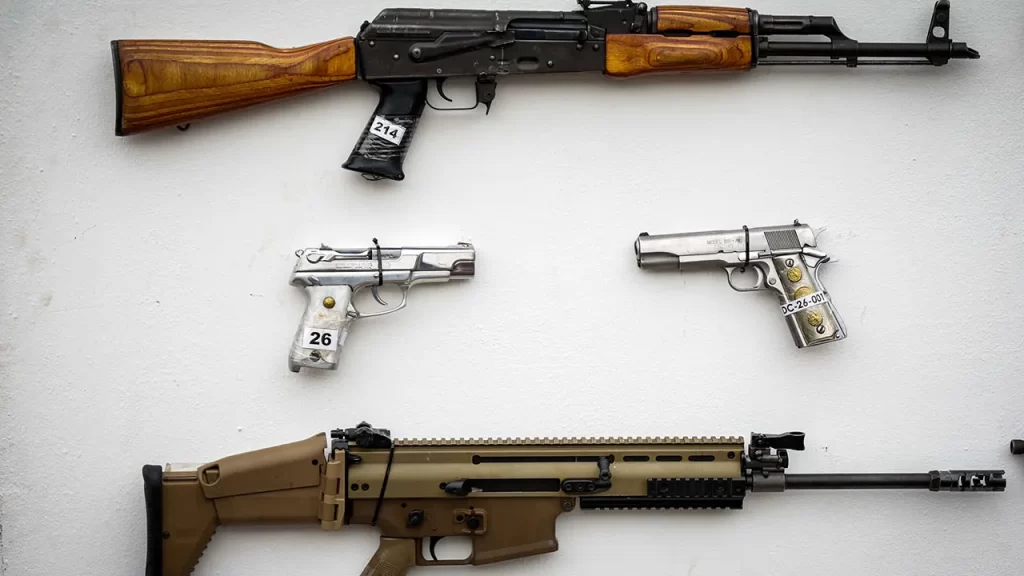

Arizona Gun Dealer Indicted for Arming Mexican Cartels
Introduction
In recent years, the United States has faced increasing scrutiny over its gun laws and the implications of illegal arms trafficking. One alarming case that has come to light involves an Arizona gun dealer who has been indicted for allegedly supplying weapons to Mexican drug cartels. This incident not only highlights the ongoing challenges of gun control but also sheds light on the complex relationship between U.S. arms sales and international crime.
The Indictment: A Closer Look
Overview of the Charges
The Arizona gun dealer, whose name has not been disclosed due to the ongoing investigation, has been indicted on multiple charges including conspiracy to provide firearms to criminal enterprises. Authorities allege that this dealer knowingly sold weapons to individuals with ties to Mexican cartels, putting the safety of millions at risk.
Background of the Investigation
The investigation was launched as part of a larger initiative to clamp down on gun trafficking across the U.S.-Mexico border. Federal agents began to gather evidence after noticing a significant uptick in firearms linked to violent cartel activity in Mexico.
The Fallout from Illegal Arms Trafficking
Impact on U.S.-Mexico Relations
The indictment of the Arizona gun dealer has significant implications for U.S.-Mexico relations. Mexican authorities have long accused American gun dealers of exacerbating the violence in their country. This case could strain diplomatic ties further, particularly if evidence emerges that U.S. gun laws are being exploited by cartels.
The Violence Escalation
Weapons supplied by U.S. dealers have been traced to various violent incidents in Mexico, including shootouts and massacres. This situation raises questions about the accountability of American gun dealers and the role they play in fueling violence abroad.
Understanding the Cartel Dynamics
The Influence of Mexican Drug Cartels
Mexican drug cartels operate within a complex and often brutal structure, utilizing arms to maintain control over their territory and operations. The influx of firearms from the U.S. has empowered these groups, allowing them to engage in clashes that result in high casualty rates among both law enforcement and civilians.
How Arms Are Sourced
U.S. gun laws, particularly in states like Arizona, make it relatively easy for individuals to purchase firearms. Many gun dealers, including the one indicted, may either fail to conduct proper background checks or turn a blind eye to suspicious transactions, facilitating the flow of weapons to criminal organizations.
Implications for Gun Control Laws in the U.S.
The Need for Stricter Regulations
This case serves as a wake-up call for policymakers advocating for stricter gun regulations in the United States. The ease with which firearms can be obtained not only poses a threat domestically but also fuels international crime syndicates, worsening global security concerns.
Public Sentiment on Gun Control
As public concern over gun violence grows, there is increasing pressure on lawmakers to enhance background checks, enforce stricter sales regulations, and hold gun dealers accountable for their transactions. This indictment may galvanize advocacy groups pushing for comprehensive reforms.
The Role of Law Enforcement
Investigative Efforts
Federal law enforcement agencies, including the Bureau of Alcohol, Tobacco, Firearms and Explosives (ATF), are under pressure to intensify their efforts in tracking illegal arms trafficking. Improved coordination between U.S. and Mexican authorities is essential to dismantle these networks effectively.
Community Engagement
Local law enforcement also plays a vital role in community engagement efforts to raise awareness about the dangers of illegal arms trafficking. Initiatives aimed at educating the public can help foster cooperation with authorities in identifying suspicious activities related to firearm purchases.
Frequently Asked Questions
What Will Happen Next?
The indicted gun dealer faces a lengthy legal battle, and if found guilty, severe penalties could ensue. Sentencing may include lengthy prison terms and hefty fines, intended to deter similar future actions by other dealers.
How Can Citizens Help?
Citizens can contribute by remaining vigilant and reporting suspicious gun sales or activities to authorities. Community awareness programs aimed at educating individuals about the risks associated with illegal arms trafficking can also be beneficial.
Conclusion
The indictment of the Arizona gun dealer signals a critical turning point in the fight against illegal arms trafficking, particularly in relation to Mexican drug cartels. This case underscores the urgent need for stricter gun laws, improved cooperation between U.S. and Mexican authorities, and a collective responsibility to ensure public safety. As the situation unfolds, stakeholders from various sectors must come together to address the root causes of this crisis and foster a safer environment for both nations.
By remaining informed and proactive, citizens can help combat the tide of violence fueled by illegal arms trafficking, ultimately contributing to a more secure future. The ongoing dialogue around gun control and drug cartels is essential for creating lasting change, making it imperative for everyone to engage in these critical discussions.