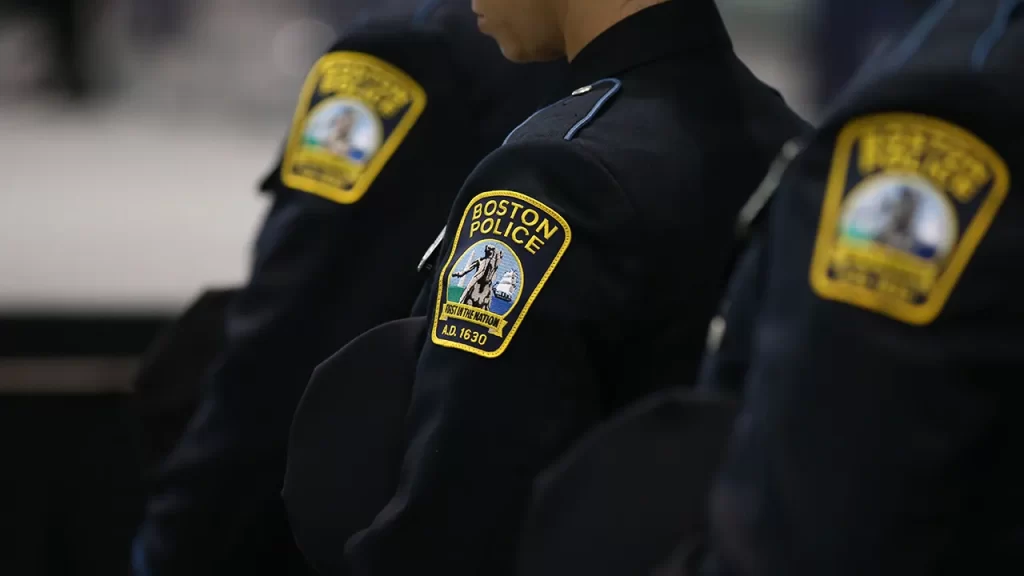

In a recent incident in Boston, body camera footage has surfaced that challenges the narrative put forth by a police officer regarding a fatal carjacking shooting. The incident, which resulted in the death of a suspect, has sparked intense public discourse about police accountability and the reliability of officer accounts in critical situations.
The shooting occurred during an attempted carjacking, where the officer claimed to have acted in self-defense. According to the initial police reports, the officer stated that the suspect had posed an immediate threat, thereby justifying the use of lethal force. However, the body camera footage presents a markedly different perspective, revealing details that raise significant questions about the officer’s version of events.
As the footage was released to the public, it showed the officer’s interactions with the suspect in a manner that seemed to contradict the assertion of an imminent threat. The video depicts a chaotic scene, raising doubts about the timeline of events and the decisions made by the officer in a split-second scenario. Critics argue that the footage calls into question the officer’s training and judgment, as it illustrates moments that might have allowed for different responses, such as de-escalation tactics instead of resorting to deadly force.
The legal implications of this evidence could be profound. Body camera footage has increasingly become a crucial element in investigations surrounding police use of force. In this case, it not only serves as a potential tool for accountability but also provides a clearer picture of the events leading up to the tragic incident. As community activists and legal experts analyze the footage, discussions about the importance of transparency in policing are at the forefront, with calls for policy reforms to better govern officer conduct.
This incident also highlights the broader national conversation about the use of body cameras in policing. While they offer a degree of oversight, critics argue that the presence of a camera alone does not guarantee accountability. Questions linger about when and how footage is released, the potential for footage to be manipulated, and the ongoing challenges faced by communities in obtaining justice when officers are involved in shootings.
The contrasts between the officer’s account and the body camera footage serve as a stark reminder of the complexities involved in policing, as well as the vital importance of thorough investigations that consider all available evidence. As this case unfolds, it is emblematic of a larger struggle for justice and a push for meaningful reforms within law enforcement practices across the country. The outcome may influence how police departments and communities navigate the difficult landscape of trust, accountability, and safety.
For more details and the full reference, visit the source link below: